Arizona Sunset Pictures & Photography
Updated by AZ Leisure Staff Writers on
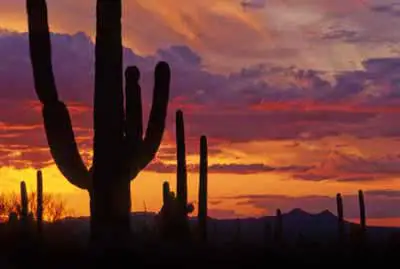 Arizona sunset picture
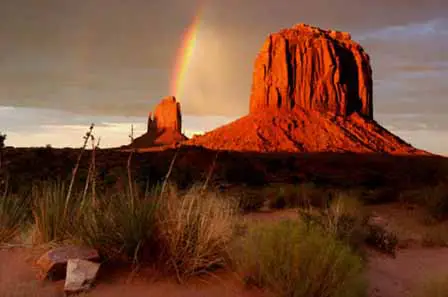
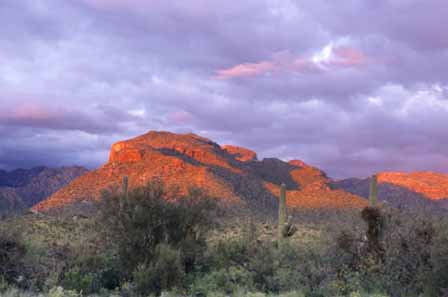
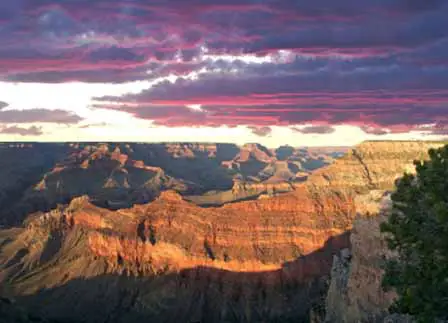
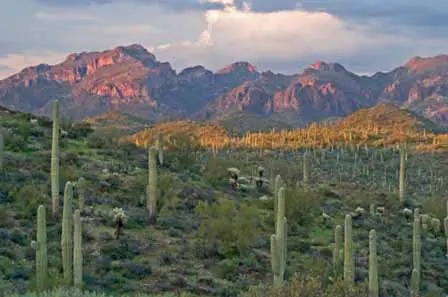
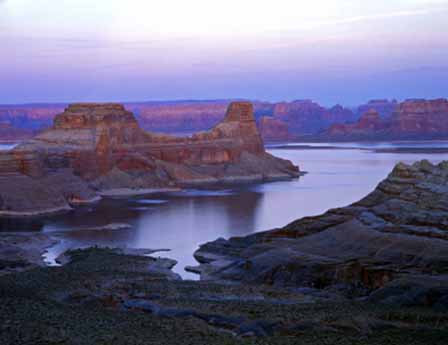
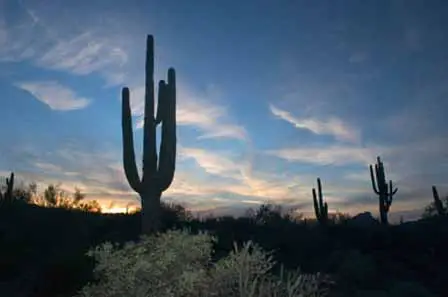
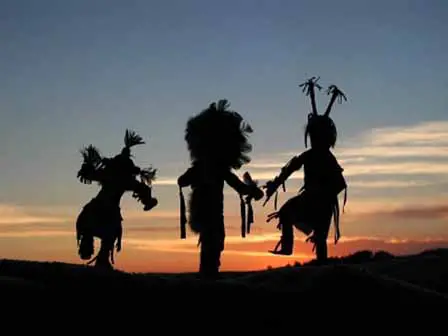
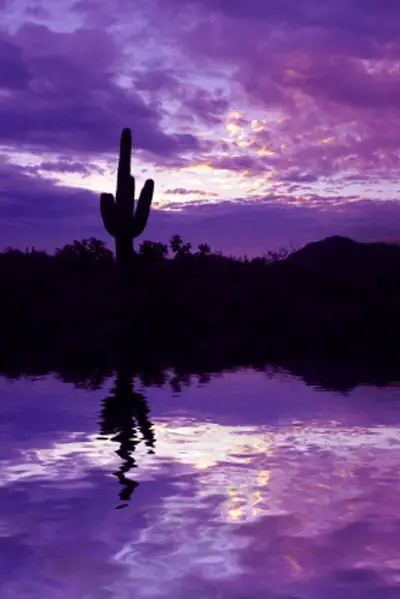
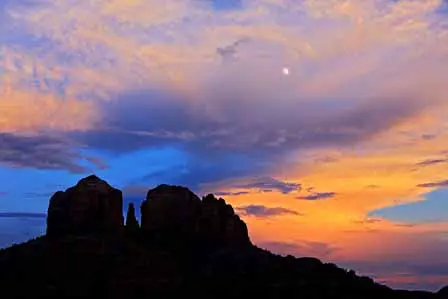
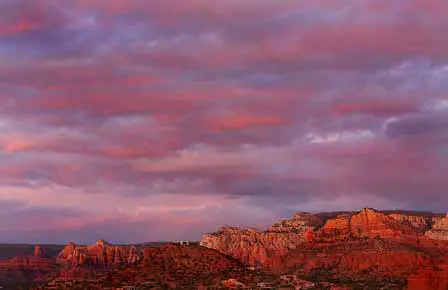
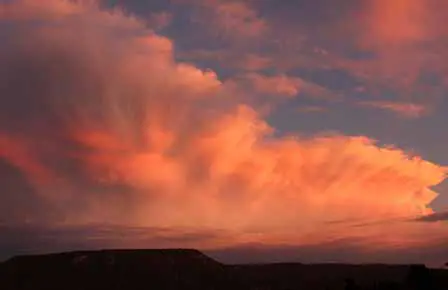
Arizona sunsets transform desert horizons, mountain silhouettes and red rock formations with changing shades of gold, orange, pink, red and violet. This gallery features sunset and twilight photographs from across the state, including a special Sedona collection by landscape photographer Mike Koopsen. Arizona's generally open horizons, varied elevations, dramatic cloud formations and distinctive desert scenery create excellent conditions for sunset photography throughout the year. Browse the gallery, learn why sunset colors develop in the atmosphere and review practical tips for photographing Arizona's evening skies safely and responsibly. All photographs remain the property of their respective copyright holders and may not be reproduced without permission.
- Arizona Sunset Gallery Overview
- Arizona Sunset Pictures
- Sedona Sunset Photography
- How Sunset Colors Are Created
- Arizona Sunset Photography Tips
- Best Places To Photograph Sunsets
- Sunset Viewing Safety
- Frequently Asked Questions
Arizona Sunsets at a Glance
- Common sunset colors: Gold, orange, red, pink, violet and deep blue
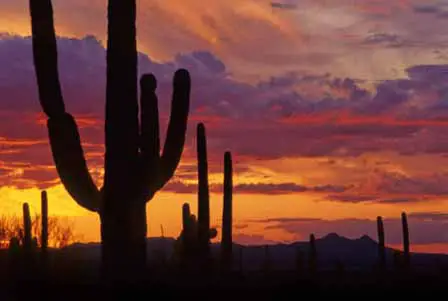
- Popular desert subjects: Saguaro cactus, mountain silhouettes, desert plains and storm clouds
- Popular red rock location: Sedona
- Best general viewing direction: West, with open sky near the horizon
- Best photography period: Approximately 30 minutes before sunset through the blue hour after sunset
- Helpful weather pattern: Scattered middle- or high-level clouds with a clear western horizon
- Popular seasons: Year-round, with dramatic cloud cover often occurring during monsoon and winter weather patterns
- Important reminder: Remain on established roads, overlooks and trails after dark
Arizona Desert Sunset Picture Gallery
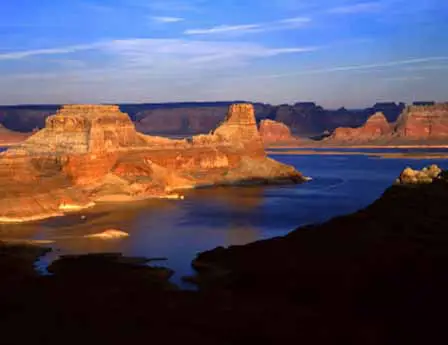
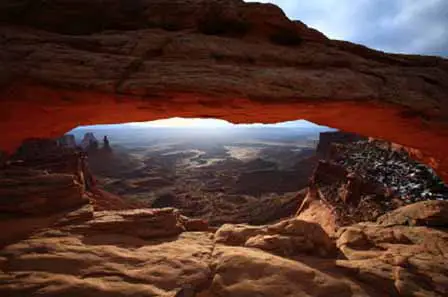
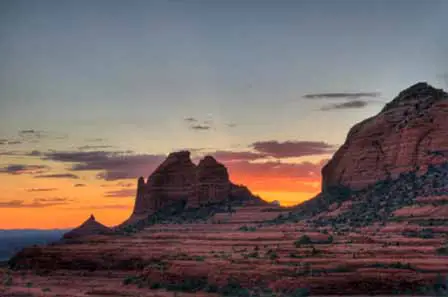
This gallery presents evening skies photographed in a variety of Arizona landscapes and weather conditions. Colors, clouds and silhouettes differ from image to image as sunlight, atmospheric particles, moisture and viewing angle change.
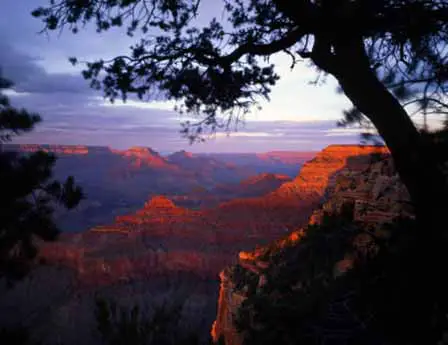
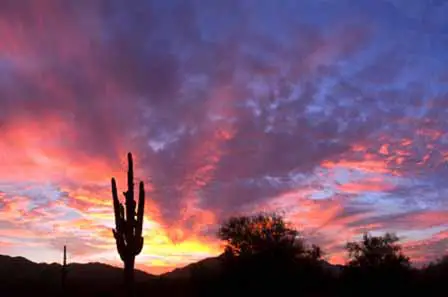
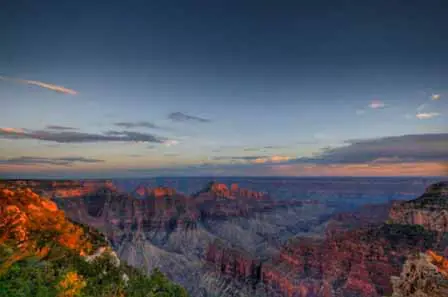
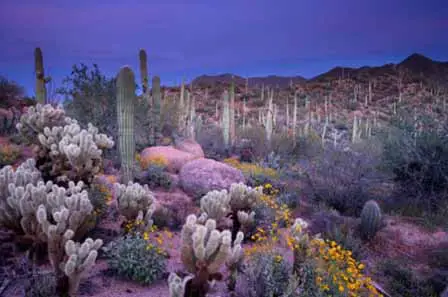
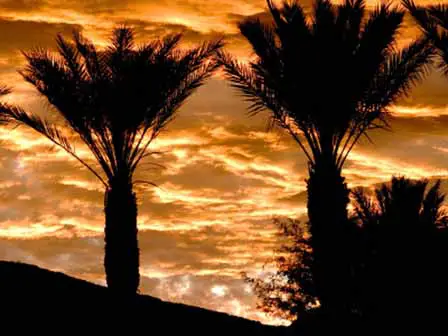
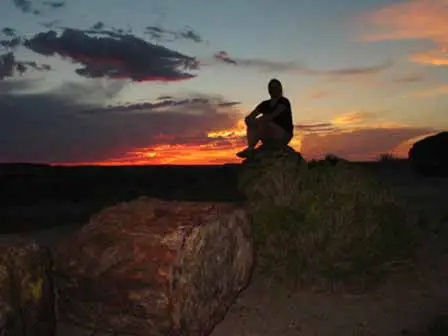
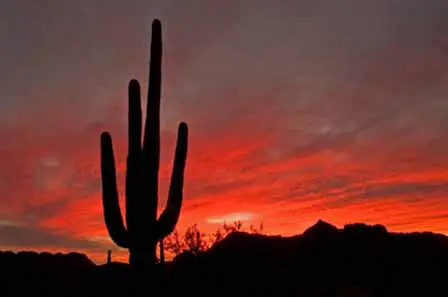
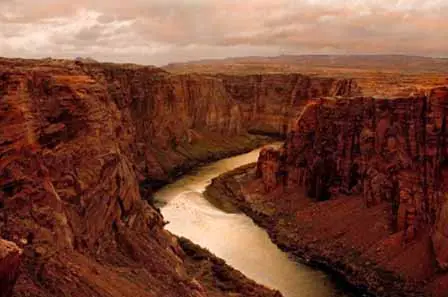
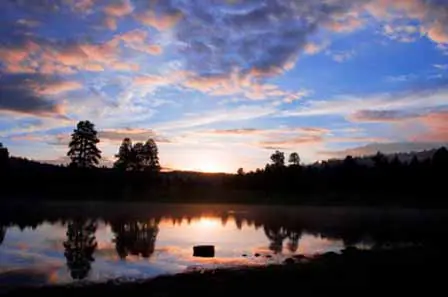
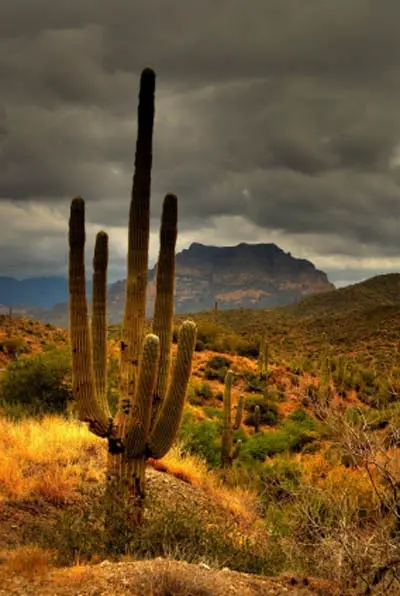
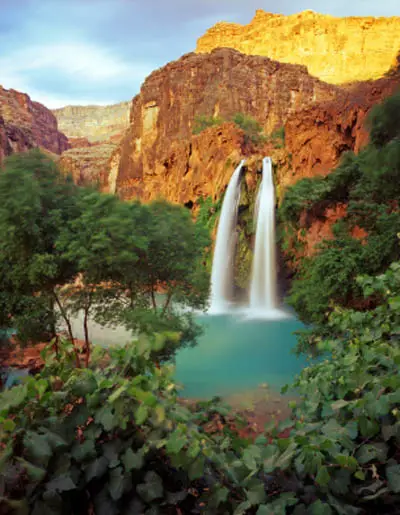
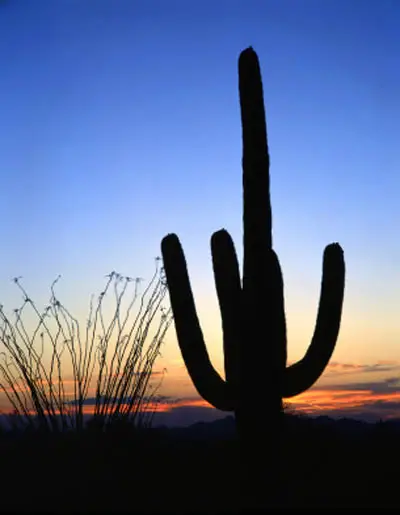
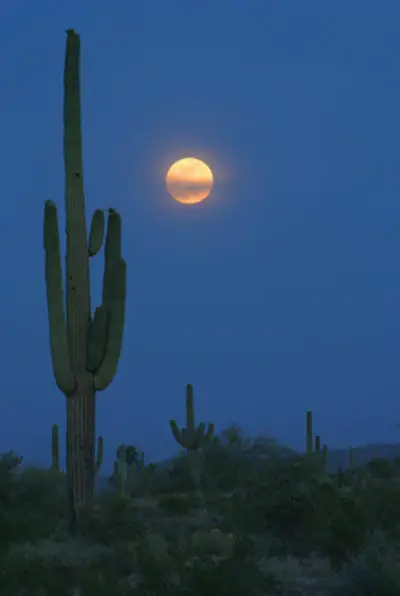
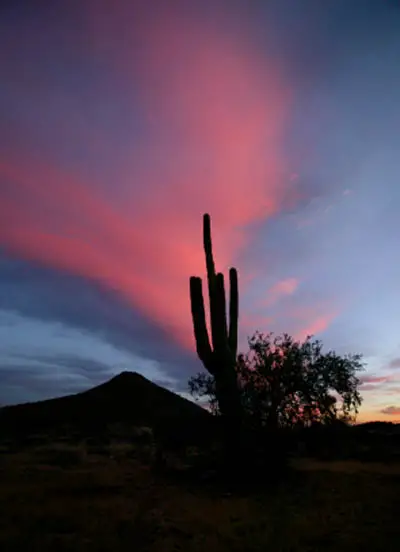
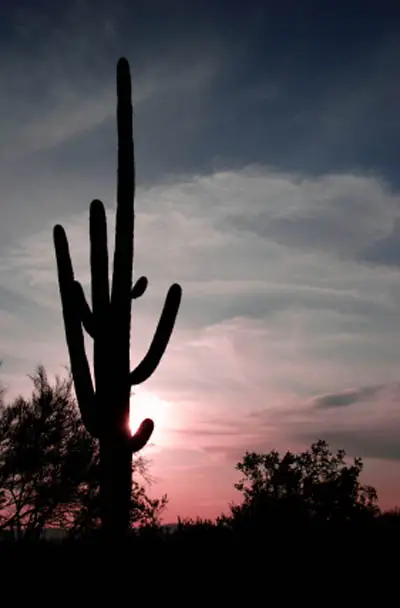
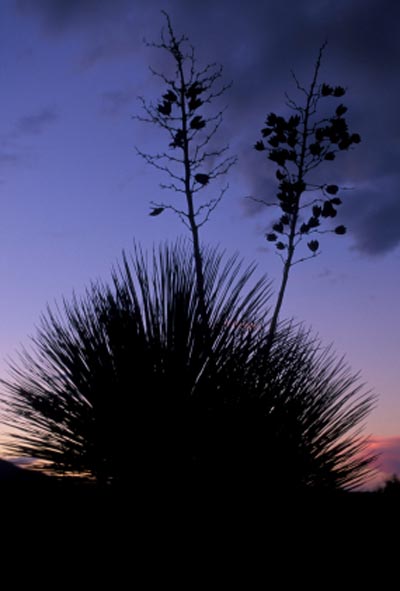
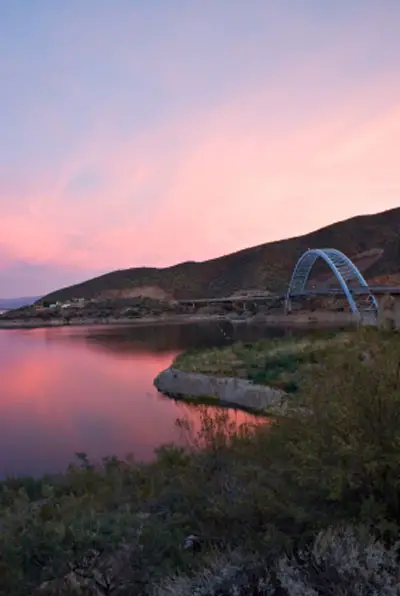
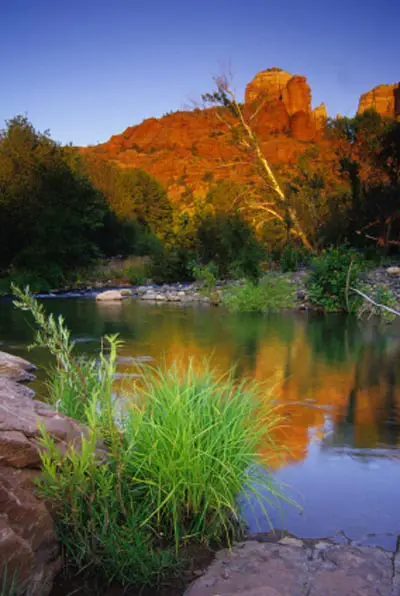
Sedona Sunset Photography by Mike Koopsen
This collection features sunset and moonrise photographs by Sedona-based landscape photographer Mike Koopsen. Sedona's red sandstone formations reflect warm evening light, while Cathedral Rock, distant mesas and changing cloud layers provide distinctive compositions. Fine-art photography and prints by Mike Koopsen are available here.
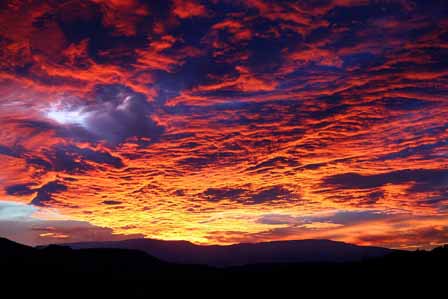
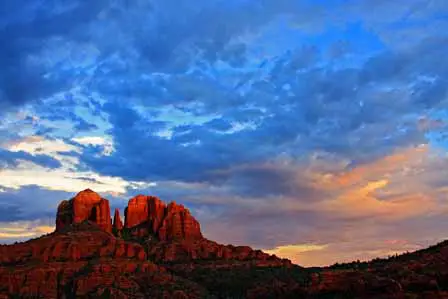
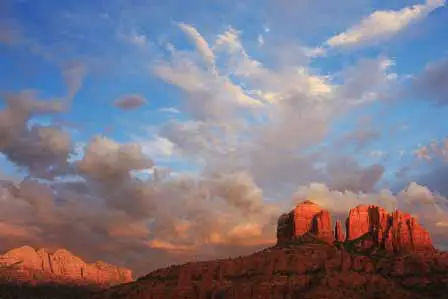
How Sunset and Sunrise Colors Are Created
Sunlight contains the full visible spectrum of colors. During the middle of the day, sunlight travels through a comparatively short section of the atmosphere before reaching an observer. Air molecules scatter shorter blue and violet wavelengths more efficiently than longer orange and red wavelengths, which helps produce the familiar blue daytime sky.
When the sun is close to the horizon, its light travels through a much longer path in the atmosphere. More of the shorter blue and violet wavelengths are scattered away from the direct beam, allowing a greater proportion of yellow, orange and red light to reach the observer. This is why sunsets and sunrises commonly appear warmer than the daytime sky.
Clouds can intensify a sunset when they are positioned high enough to catch the remaining sunlight after the ground below has entered shadow. Cirrus and altocumulus clouds can reflect the reddened light across a broad portion of the sky, especially when the western horizon remains relatively clear.
Dust, smoke, moisture and pollution can also affect sunset color, but their influence depends on particle size, concentration and altitude. A modest amount of atmospheric material may deepen or diffuse certain colors, while heavy haze or pollution often weakens contrast and produces paler, less distinct sunsets.
Arizona Sunset Photography Tips
- Arrive at least 30 minutes before the published sunset time.
- Remain after sunset for changing twilight and blue-hour colors.
- Use a tripod when slower shutter speeds are required.
- Include a recognizable foreground such as cactus, rocks, water or mountains.
- Keep the horizon level unless a deliberate angled composition is intended.
- Use exposure compensation to protect bright highlights near the sun.
- Photograph several exposures as the light changes.
- Avoid looking directly at the sun through an optical viewfinder.
- Clean the lens before photographing toward strong light.
- Use a lens hood when appropriate to reduce unwanted flare.
- Keep spare batteries available because heat and cold can reduce battery life.
- Carry a flashlight or headlamp for the return after dark.
Best Places To Photograph Sunsets in Arizona
- Sedona: Red rock formations, mesas and wide western views
- Grand Canyon: Layered canyon walls and changing light across distant rims
- Greater Phoenix: Desert mountains, city silhouettes and saguaro-lined horizons
- Superstition Mountains: Rugged mountain profiles east of Phoenix
- Lake Havasu: Reflections, shoreline silhouettes and broad western skies
- Lake Powell: Water reflections, sandstone cliffs and open horizons
- Prescott: Granite formations, lakes and mountain scenery
- Flagstaff: Forest silhouettes, volcanic terrain and high-elevation skies
- Southern Arizona: Sonoran Desert landscapes, mountain ranges and cactus silhouettes
Arizona Sunset Viewing and Photography Safety
- Park only in legal, designated locations.
- Do not stop in traffic lanes or on narrow highway shoulders.
- Carry a flashlight or headlamp for travel after sunset.
- Remain on established trails and overlooks.
- Watch for cactus, loose rocks and uneven ground.
- Carry drinking water, even during short evening outings.
- Tell someone where you are going when visiting a remote location.
- Monitor thunderstorms, lightning and flash-flood warnings during monsoon season.
- Do not cross flooded roads or washes.
- Respect private property, Tribal land and posted closures.
- Avoid disturbing wildlife that becomes active around dusk.
- Do not fly drones where they are prohibited.
Frequently Asked Questions About Arizona Sunsets
Why are Arizona sunsets so colorful?
Sunset light travels through a longer section of the atmosphere than midday sunlight. More blue and violet light is scattered away, allowing warmer yellow, orange and red wavelengths to dominate the direct light.
Does desert dust create Arizona's sunsets?
Dust and other atmospheric particles can influence color, but they are not the sole cause of sunsets. Heavy haze may soften or obscure colors, while the effect of smaller amounts depends on particle size, altitude and concentration.
What kinds of clouds produce colorful sunsets?
Scattered middle- and high-level clouds often produce dramatic color because they remain illuminated after the sun approaches or passes below the horizon.
What time should I arrive to photograph a sunset?
Arrive approximately 30 minutes before the published sunset time and remain afterward to photograph twilight and blue-hour conditions.
Where are the best sunsets in Arizona?
Popular locations include Sedona, the Grand Canyon, the Superstition Mountains, Greater Phoenix, Lake Havasu, Lake Powell, Prescott and southern Arizona desert viewpoints.
Can Arizona sunsets be photographed year-round?
Yes. Sunset photography is possible throughout the year, although cloud cover, haze, wildfire smoke, storms and seasonal weather affect visibility and color.
Are summer sunsets better than winter sunsets?
Neither season is consistently better. Summer monsoon clouds can create dramatic scenes, while winter weather systems may provide broad cloud layers and clear air behind passing storms.
Why does the sky remain colorful after the sun sets?
The upper atmosphere and higher clouds may remain illuminated after the sun disappears below the local horizon, producing twilight colors and afterglow.
Why does the daytime sky appear blue?
Air molecules scatter short blue and violet wavelengths more efficiently than longer red wavelengths. Human vision is more sensitive to blue than violet, so the sky generally appears blue.
Can smoke improve sunset photographs?
Smoke may create deeper orange or red tones under some conditions, but dense smoke reduces visibility, harms air quality and frequently obscures the landscape.
Is it safe to photograph the sun directly?
Do not stare at the sun or view it through an unfiltered optical viewfinder. Use the camera's electronic display and follow the equipment manufacturer's solar-photography guidance.
Who owns the photographs on this page?
Each photograph remains the property of its respective copyright holder and may not be copied, republished or commercially used without permission.
Related Arizona Picture Galleries
- Mike Koopsen Arizona Photography
- Tempe Arizona Pictures
- Arizona Flora Pictures
- Cactus Flower Pictures
- Sedona Picture Gallery
- Grand Canyon Pictures
- Northern Arizona Photography
- Flagstaff Picture Gallery
- Hoover Dam Pictures
Most Popular Things To Do In AZ
Additional Arizona Activities