Blue Ridge Reservoir - C.C. Cragin Reservoir, Arizona
Updated by AZ Leisure Staff Writers on
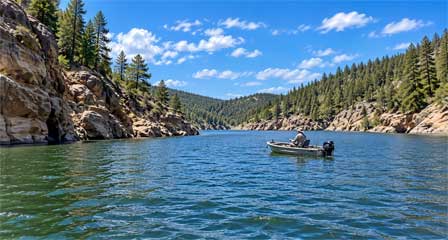
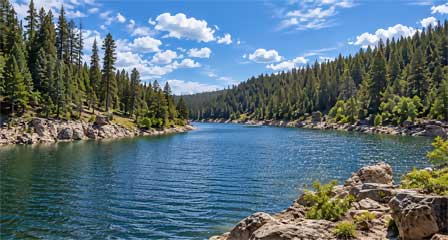
Blue Ridge Reservoir, officially named C.C. Cragin Reservoir, is a narrow, canyon-bound lake in the Coconino National Forest along Arizona's Mogollon Rim. Surrounded by steep forested slopes at roughly 6,700 feet, the reservoir is especially popular for kayaking, canoeing, small-boat recreation and rainbow trout fishing. Limited shoreline access and the lake's winding shape give it a distinctly remote character compared with many other Arizona lakes. Rock Crossing Campground provides developed camping nearby, while Forest Road 751 leads to the reservoir, boat launch and day-use access when seasonal road conditions permit.
- Reservoir Overview
- Fishing
- Fish Species
- Boating And Kayaking
- Camping
- Things To Do
- Wildlife And Scenery
- Best Time To Visit
- Visitor Tips
- Directions
- Area Map
- Nearby Lakes
- FAQ
Blue Ridge Reservoir Arizona Overview
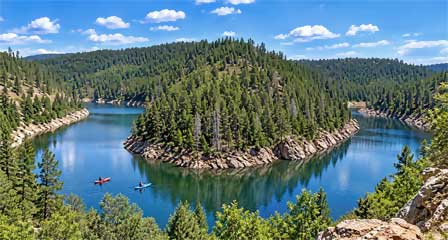
C.C. Cragin Reservoir, still widely known as Blue Ridge Reservoir, is a long, narrow reservoir formed within the steep canyon of East Clear Creek. Its shape resembles a winding river more than a typical open lake, with forested canyon walls dropping sharply toward the water and relatively little accessible shoreline.
- Official name: C.C. Cragin Reservoir
- Common name: Blue Ridge Reservoir
- Located in the Coconino National Forest
- Elevation approximately 6,695 feet
- Narrow, canyon-shaped reservoir
- Rainbow trout fishery
- Popular for kayaking and canoeing
- 10-horsepower maximum gasoline motor
- Electric motors permitted
- Limited shoreline access
- Vault toilets at the reservoir recreation area
- No potable water at the reservoir itself
Things To Do At Blue Ridge Reservoir
- Kayaking: Paddle the reservoir's narrow canyon arms and forested shoreline.
- Canoeing: Explore quiet water away from the main launch area.
- Fishing: Fish for stocked rainbow trout from a boat, kayak or accessible shoreline.
- Small-Boat Recreation: Use electric motors or gasoline engines of 10 horsepower or less.
- Camping: Stay at nearby Rock Crossing Campground.
- Hiking: Explore surrounding forest roads and trails.
- Mountain Biking: Ride designated forest roads and nearby routes.
- Wildlife Viewing: Watch for elk, mule deer, osprey and bald eagles.
- Photography: Capture narrow canyon water, forest reflections and mountain scenery.
- Scenic Driving: Explore the Happy Jack and Mogollon Rim area.
Fishing At Blue Ridge Reservoir
Blue Ridge Reservoir is managed primarily as a cold-water rainbow trout fishery, and boat or kayak anglers generally have an advantage because the reservoir's steep canyon walls provide relatively little easy shoreline access.
Fish Species In Blue Ridge Reservoir
Fish found or stocked here include rainbow trout and green sunfish. Arizona Game & Fish stocks rainbow trout when water and hatchery conditions permit, so anglers should check current Arizona Game and Fish information before visiting.
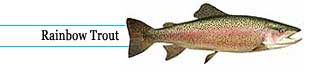

- Rainbow Trout: The primary managed sportfish and regularly stocked when conditions permit.
- Green Sunfish: An invasive species with no harvest limit; Arizona Game & Fish encourages removal when caught.
- Golden Shiner: Another invasive fish currently identified in the reservoir by Arizona Game & Fish.
- Boat Fishing: Provides access to deeper water and more of the reservoir's canyon shoreline.
- Kayak Fishing: Especially well suited to the reservoir's narrow shape and limited shore access.
- Shore Fishing: Possible in accessible locations but restricted by steep terrain around much of the reservoir.
Fishing conditions and stocking schedules can change with water levels, weather and reservoir operations. Check current Arizona Game & Fish reports and regulations before each trip.
Boating, Kayaking And Canoeing At Blue Ridge Reservoir
The reservoir's winding canyon shape makes kayaking and canoeing especially popular. Small fishing boats are also permitted, but current Forest Service regulations restrict powered boats to a single electric motor or a single gasoline engine of 10 horsepower or less.
- Kayaks and canoes are ideal for exploring the narrow reservoir.
- Small fishing boats are permitted.
- Gasoline engines are limited to 10 horsepower or less.
- A single electric motor is permitted.
- Boat-launch availability can change with seasonal access, water levels and current Forest Service conditions.
- Water levels can affect the ease of launching trailered boats.
- Parking is permitted only in designated spaces along restricted portions of Forest Road 751.
- Swimming and wading are prohibited within 50 feet of the boat ramp or dock.
- Wear a properly fitted personal flotation device while boating or paddling.
Reservoir levels can change substantially, so verify current boat-launch conditions before hauling a trailered boat to the lake.
Rock Crossing Campground Near Blue Ridge Reservoir
Rock Crossing Campground is approximately two miles from C.C. Cragin Reservoir and provides the primary developed camping option for lake visitors. The campground sits among ponderosa pine and oak at approximately 7,316 feet and accommodates tents, trailers and recreational vehicles.
- 31 individual family campsites
- Two double campsites
- Picnic tables
- Campfire rings
- Cooking grills
- Tent pads
- Bear-resistant food-storage lockers
- Seasonal drinking water
- Vault toilets
- Trash collection
- Campground hosts during the operating season
- No electric, water or sewer hookups
- No showers
Campground opening dates and services vary by season and weather. Check current Recreation.gov or Coconino National Forest information before traveling.
Wildlife And Scenery Around Blue Ridge Reservoir
The ponderosa pine and oak forests surrounding C.C. Cragin Reservoir provide habitat for a variety of high-country wildlife. Elk and mule deer are frequently found throughout the surrounding forest, while bald eagles, osprey and other birds may be seen around the reservoir and nearby waterways.
- Observe wildlife from a safe distance.
- Never feed wild animals.
- Keep pets leashed or otherwise restrained.
- Store food securely when camping.
- Use binoculars or a telephoto lens for wildlife viewing.
- Pack out fishing line and other trash.
- Watch for wildlife along forest roads, especially near dawn and dusk.
Blue Ridge Reservoir Video
Best Time To Visit Blue Ridge Reservoir
Spring
Access improves as snow melts and Forest Road 751 reopens. Rainbow trout stocking may also begin as seasonal conditions become favorable, but road and recreation-site access can vary from year to year.
Summer
Summer is one of the most popular seasons for kayaking, boating, fishing and camping. The reservoir's high elevation also provides a cooler outdoor destination than Arizona's lower desert communities, although afternoon thunderstorms can occur during the summer monsoon season.
Fall
Cooler temperatures, changing forest colors and trout fishing make fall an appealing time to visit. Conditions are generally quieter than during peak summer periods, but visitors should watch for increasingly cold nighttime temperatures.
Winter
Forest Road 751 normally closes because of snow and winter road conditions, preventing vehicle access to the reservoir. Do not rely on fixed closure or reopening dates because seasonal access depends on current conditions.
Before traveling, check current Coconino National Forest road and recreation-site conditions, particularly during spring snowmelt, summer monsoon weather and the approach of winter.
Exact access dates vary from year to year. Check current Forest Service road status rather than relying on fixed seasonal opening or closing dates.
Blue Ridge Reservoir Visitor Tips
- Check Road Conditions: Verify the status of Forest Road 751 before traveling because snow, storms and seasonal closures can affect access.
- Check Water Levels: Reservoir levels can affect boat-launch conditions, particularly for trailered boats.
- Bring Drinking Water: Potable water is not available at the reservoir recreation site.
- Plan Camping Ahead: Confirm current operating dates and campsite availability at Rock Crossing Campground before an overnight trip.
- Review Fishing Information: Check current Arizona fishing regulations and trout-stocking information before fishing.
- Prepare For Mountain Weather: Bring layers and rain protection because temperatures and weather can change quickly at this elevation.
- Watch For Monsoon Storms: Afternoon thunderstorms can develop during Arizona's summer monsoon season.
- Check Fire Restrictions: Review current Coconino National Forest wildfire and campfire restrictions before your trip.
- Park In Designated Areas: Parking is restricted along portions of Forest Road 751.
- Bring Needed Supplies: Services near the reservoir are limited, so arrive with food, water and other essentials.
- Protect The Area: Keep pets restrained and pack out trash, fishing line and other waste.
Directions To Blue Ridge Reservoir
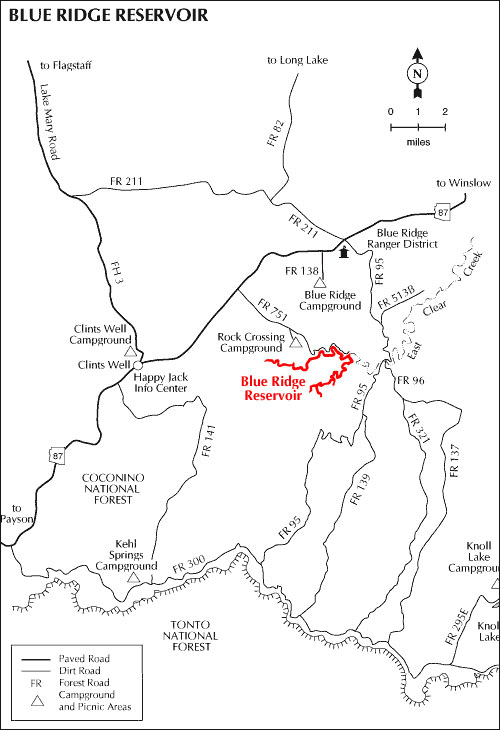
From Flagstaff: Travel approximately 55 miles south on Lake Mary Road to Clint's Well. Continue northeast on State Route 87 for about four miles to Forest Road 751. Turn southeast onto Forest Road 751 and continue approximately six miles to C.C. Cragin Reservoir.
From Payson: Travel north on State Route 87 toward Clint's Well. Turn southeast onto Forest Road 751 and follow the road approximately six miles toward Rock Crossing Campground and the reservoir.
Forest Road 751 is gravel and is generally suitable for passenger vehicles in favorable weather, but snow, heavy rain or maintenance can affect conditions. The road normally closes during winter.
Blue Ridge Reservoir & Rock Crossing Campground Map
Nearby Mogollon Rim Lakes To Explore
- Woods Canyon Lake: A developed Mogollon Rim lake with trout fishing, boating, camping and marina services.
- Willow Springs Lake: A convenient Highway 260 lake popular for fishing, boating and kayaking.
- Knoll Lake: A forest lake offering fishing, paddling and camping farther east along the Mogollon Rim.
- Chevelon Canyon Lake: A remote hike-in fishing lake known for its rugged canyon setting.
- Bear Canyon Lake: A smaller remote lake popular for trout fishing, kayaking and primitive camping.
Blue Ridge Reservoir Arizona FAQ
Is Blue Ridge Reservoir The Same As C.C. Cragin Reservoir?
Yes. Blue Ridge Reservoir is the traditional and widely used name for the reservoir now officially known as C.C. Cragin Reservoir.
Where Is Blue Ridge Reservoir?
C.C. Cragin Reservoir is located in Coconino National Forest along Arizona's Mogollon Rim between Payson and Flagstaff, near Clint's Well and Happy Jack.
What Is The Elevation Of Blue Ridge Reservoir?
The reservoir is approximately 6,695 feet above sea level.
What Fish Are In Blue Ridge Reservoir?
The reservoir is managed primarily as a rainbow trout fishery. Green sunfish and golden shiner are invasive species currently identified by Arizona Game & Fish.
Is Blue Ridge Reservoir Stocked With Trout?
Yes. Arizona Game & Fish stocks rainbow trout when water, weather and hatchery conditions allow.
Can You Kayak On Blue Ridge Reservoir?
Yes. Kayaking and canoeing are among the reservoir's most popular activities because of its narrow canyon shape and limited shoreline access.
Are Motorboats Allowed At Blue Ridge Reservoir?
Yes. Boats may use a single electric motor or a single gasoline engine of 10 horsepower or less.
Is The Blue Ridge Reservoir Boat Launch Open?
Boat-launch availability can change with seasonal road access, reservoir levels and current conditions. Check Coconino National Forest information before bringing a trailered boat to the reservoir.
Can You Fish From Shore?
Yes, but shoreline access is limited because steep canyon walls surround much of the reservoir. Boats and kayaks provide access to substantially more fishing water.
Can You Camp Near Blue Ridge Reservoir?
Yes. Rock Crossing Campground is approximately two miles from the reservoir and provides developed campsites during its operating season.
Does Rock Crossing Campground Have Drinking Water?
Seasonal drinking water is provided at Rock Crossing Campground when campground services are operating. Potable water is not available at the reservoir recreation site itself.
Does Rock Crossing Campground Have RV Hookups?
No. The campground does not provide electric, water or sewer hookups.
Is Blue Ridge Reservoir Open In Winter?
Forest Road 751 normally closes during winter because of snow and road conditions, preventing vehicle access to the reservoir.
What Is The Best Time To Visit Blue Ridge Reservoir?
Late spring through fall generally provides the most dependable access for fishing, kayaking, boating and camping.
Are Dogs Allowed At Blue Ridge Reservoir?
Yes. Pets must be restrained or kept on a leash.
Can You Swim At Blue Ridge Reservoir?
Swimming is permitted in appropriate areas, but swimming and wading are prohibited within 50 feet of the boat ramp or dock.
More Blue Ridge Reservoir And Mogollon Rim Information
- Payson Area Lakes
- Flagstaff Area Lakes And Fishing
- Payson Arizona
- Flagstaff Arizona
- Woods Canyon Lake
- Willow Springs Lake
- Knoll Lake
- Bear Canyon Lake
- Arizona Fishing Lakes
- Arizona Lakes
Phoenix Area Lakes
Apache Lake
Bartlett Lake
Canyon Lake
Lake Pleasant
Roosevelt Lake
Saguaro Lake
Tempe Town Lake
Urban Lakes
Payson Area Lakes
Blue Ridge Reservoir
Bear Canyon Lake
Black Canyon Lake
Chevelon Canyon Lake
Knoll Lake
Willow Springs Lake
Woods Canyon Lake
White Mountains Lakes
Becker Lake
Big Lake
Crescent Lake
Fool Hollow Lake
Hawley Lake
Luna Lake
Lyman Lake
Rainbow Lake
Show Low Lake
Woodland Lake