Grand Canyon Weather and Climate
Updated by AZ Leisure Staff Writers on
Grand Canyon weather varies dramatically with elevation, season and location. The South Rim averages about 7,000 feet above sea level, the North Rim about 8,000 feet, and the Colorado River near Phantom Ranch roughly 2,400 feet. As a result, visitors can encounter snow and freezing temperatures on the rims while the inner canyon is much warmer. Understanding average temperatures, summer thunderstorms, winter snow and rapid weather changes is essential when planning sightseeing, hiking or an overnight Grand Canyon trip.
- How Elevation Affects Weather
- Average Temperatures
- South Rim Weather
- North Rim Weather
- Inner Canyon Weather
- Summer & Monsoon Season
- Fall Weather
- Winter Weather
- Spring Weather
- Weather Safety
- FAQ
How Elevation Affects Grand Canyon Weather
Elevation is the single biggest reason Grand Canyon weather varies so dramatically. The South Rim averages approximately 7,000 feet above sea level, while the higher North Rim averages about 8,000 feet. Phantom Ranch and the Colorado River are far lower, at roughly 2,400 feet.
As a general rule, temperature increases about 5.5 degrees Fahrenheit for every 1,000 feet of elevation lost. A hiker descending thousands of feet from the South Rim can therefore experience temperatures 20 to 30 degrees warmer in the inner canyon than at the trailhead.
Never assume that comfortable temperatures at a rim overlook represent conditions on an inner-canyon trail. Check forecasts for both your starting elevation and your destination before hiking below the rim.
Grand Canyon Climate At A Glance
- South Rim: 30-year mean annual high of about 64°F and mean low of about 29.5°F.
- North Rim: 30-year mean annual high of about 55°F and mean low of about 31.7°F.
- Phantom Ranch: 30-year mean annual high of about 81°F and mean low of about 54°F.
- South Rim annual precipitation: Approximately 13.4 inches.
- North Rim annual precipitation: Approximately 24.2 inches.
- Phantom Ranch annual precipitation: Approximately 9.6 inches.
These long-term averages illustrate why visitors should think of Grand Canyon as several different climate zones rather than one uniform weather destination.
South Rim Weather
The South Rim sits at approximately 7,000 feet elevation and experiences four distinct seasons. Summer afternoons are generally mild compared with Arizona's lower deserts, while nights can become surprisingly cool. Winter brings freezing temperatures, snow, icy trails and occasional temporary road closures.
The South Rim is open throughout the year, including winter, although individual roads, trails and facilities can be affected temporarily by storms. Visitors should check current weather and road conditions before traveling during winter weather.
North Rim Weather
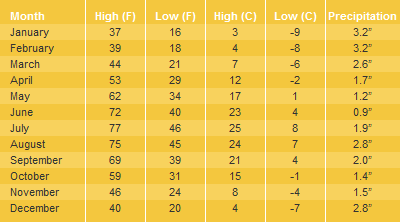
The North Rim averages approximately 8,000 feet elevation and is generally cooler and wetter than the South Rim. Summer daytime highs commonly remain in the 70s, while nights can become cold even during the warmer months. The North Rim also receives substantially more winter snow than the South Rim.
Vehicle access to the North Rim is seasonal. Roads normally close to vehicles from December 1 through May 14 because of winter conditions, although operating dates and services can vary by year.
2026 visitor note: The North Rim reopened on May 15, 2026 following the Dragon Bravo Fire. Scenic roads and selected trails are open, but visitor services remain limited and overnight lodging is not available inside the park during the 2026 season.
Inner Canyon And Phantom Ranch Weather
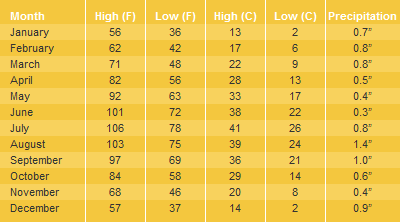
The inner Grand Canyon is considerably warmer than either rim because of its much lower elevation. Phantom Ranch sits near the Colorado River at approximately 2,400 feet, roughly 4,600 feet below the average South Rim elevation.
Summer heat can be extreme. Average inner-canyon daytime highs reach approximately 101°F in June, 106°F in July and 103°F in August, and actual temperatures can rise even higher. Winter conditions are much milder than on the rims, although nights can still become cold.
Hikers should plan around inner-canyon conditions rather than rim temperatures. During hot weather, avoid hiking during the hottest portion of the day, carry adequate water and electrolytes, and be prepared to change plans when conditions become unsafe.
Grand Canyon Weather In Summer
Summer weather differs sharply between the rims and inner canyon. South Rim daytime highs are commonly in the 80s, while North Rim temperatures are generally cooler because of the higher elevation. At the Colorado River, temperatures frequently exceed 100°F.
July, August and early September are the primary summer monsoon period. Days may begin clear before thunderstorms build later in the day, producing lightning, strong winds, hail, intense rainfall and localized flash flooding.
Thunderstorms can be extremely localized. Heavy rain falling miles away or high above the river can send sudden floodwater through narrow side canyons, so hikers should monitor forecasts and changing skies throughout the day.
Grand Canyon Weather In Fall
September and October often bring comfortable daytime conditions as summer heat decreases and monsoon activity gradually fades. Rim temperatures cool quickly as the season progresses, while the inner canyon remains considerably warmer.
Fall weather can still change abruptly. Freezing nighttime temperatures become increasingly common on the rims, and early winter storms can produce snow before the traditional winter season begins. Visitors should pack layers even when daytime forecasts appear mild.
Grand Canyon Weather In Winter
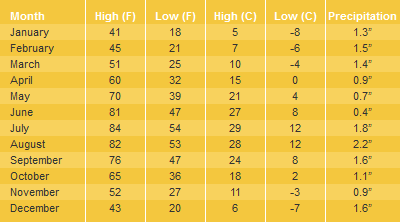
Winter at the South Rim can bring snow, icy roads, slippery trails and temperatures well below freezing. Afternoon highs commonly remain in the 40s, while nighttime temperatures frequently fall into the teens and can occasionally drop below zero.
The South Rim remains open year-round, but temporary road closures can occur during winter storms. Snow and ice may remain on shaded trails long after roads have been cleared, so visitors should bring appropriate footwear and cold-weather clothing.
The North Rim receives much heavier snowfall and normally closes to vehicle traffic during winter. Visitors planning winter trips should use the South Rim unless they are specifically prepared and authorized for remote backcountry travel.
Grand Canyon Weather In Spring
Spring brings gradually warmer temperatures, but conditions remain highly variable. Snow is still possible during April and May at the rims, while warm sunny periods can make the inner canyon feel much more like summer.
Spring is typically one of the driest and windiest periods of the year. Strong winds can develop, nighttime temperatures may still fall below freezing at the rims, and late-season snow has occurred well into the season.
Dress in layers and prepare for a wide range of conditions when visiting during March, April or May.
Grand Canyon Weather Safety
- Check the current forecast before hiking or driving into the park.
- Remember that rim weather may be very different from conditions inside the canyon.
- Avoid strenuous inner-canyon hiking during extreme summer heat.
- During thunderstorms, move away from exposed overlooks, isolated trees and high points.
- Never enter a narrow canyon or drainage when flash flooding is possible.
- Carry layers because temperatures can change rapidly after sunset or with elevation.
- Expect snow and ice on South Rim roads and trails during winter.
- Check road closures before traveling during winter storms.
- Bring more water than you expect to need when hiking below the rim.
- Be willing to shorten, postpone or cancel a hike when weather becomes unsafe.
What To Pack For Grand Canyon Weather
- Summer Rim Visit: Sun protection, water, light daytime clothing and a light jacket for cooler mornings and evenings.
- Summer Inner Canyon Hike: Extra water, electrolytes, sun-protective clothing, hat and equipment appropriate for extreme heat.
- Spring & Fall: Layers, wind protection, rain gear and clothing suitable for freezing mornings or evenings.
- Winter South Rim: Insulated layers, gloves, warm hat, waterproof footwear and traction devices when trails are icy.
- Year-Round: Sunscreen, sunglasses, refillable water containers and current weather information.
North Rim Weather And Access - 2026
The North Rim is open for the 2026 summer season following the 2025 Dragon Bravo Fire. Highway 67, Cape Royal Road and Point Imperial Road reopened May 15, and the North Rim Campground reopened June 1.
Visitor services remain limited during 2026. Overnight lodging is not available inside the park, potable water is not generally available throughout the North Rim developed area, and some trails remain closed. Check current National Park Service conditions before traveling.
Frequently Asked Questions About Grand Canyon Weather
What is the weather like at the Grand Canyon?
Grand Canyon weather varies greatly by elevation. The rims are much cooler than the inner canyon, and visitors can encounter snow at higher elevations while temperatures near the Colorado River are considerably warmer.
Is the North Rim colder than the South Rim?
Yes. The North Rim averages about 8,000 feet elevation compared with approximately 7,000 feet at the South Rim, making North Rim conditions generally cooler and wetter.
How much warmer is the bottom of the Grand Canyon?
Temperature generally rises about 5.5 degrees Fahrenheit for every 1,000 feet of elevation lost. Conditions near the Colorado River can therefore be 20 to 30 degrees warmer than at the South Rim.
How hot does the bottom of the Grand Canyon get?
Summer conditions can be extreme. Average July highs in the inner canyon are approximately 106°F, and temperatures can climb even higher during heat events.
Does it snow at the Grand Canyon?
Yes. Snow is common on both rims during winter. The North Rim receives considerably more snow than the South Rim, while snowfall at the Colorado River is uncommon.
Is the South Rim open in winter?
Yes. The South Rim remains open year-round, although snowstorms can temporarily close roads and create icy driving and trail conditions.
When is monsoon season at the Grand Canyon?
Summer thunderstorms are most common during July, August and early September. Storms can produce lightning, strong winds, heavy rain and sudden flash flooding.
What is the best weather for visiting the Grand Canyon?
Late spring and early fall often provide comfortable rim temperatures, but conditions can change rapidly. The best season depends on whether you plan to sightsee from the rim or hike into the much warmer inner canyon.
Does the North Rim close for winter?
Yes. Vehicle access normally closes from December 1 through May 14 because of winter conditions. Seasonal opening dates and visitor services should always be checked before traveling.
Should hikers use rim temperatures to plan an inner-canyon hike?
No. Inner-canyon temperatures can be dramatically warmer than rim temperatures. Hikers should check the specific forecast for the elevations and locations they will visit.
The Spectacular Grand Canyon