
Prescott Arizona Weather & Average Temperatures
Updated by AZ Leisure Staff Writers on
Prescott, Arizona has a four-season mountain climate that is generally cooler than Phoenix and milder than higher-elevation Flagstaff. At approximately 5,354 feet above sea level, Prescott experiences warm summers, cool spring and fall weather, freezing winter nights and occasional snow, making weather an important consideration when planning hiking, lake visits, sightseeing, camping and other outdoor activities.
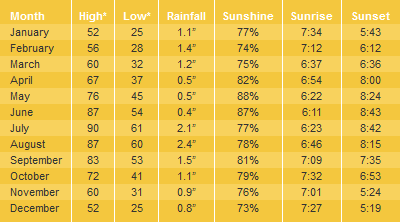
The monthly weather chart below shows average high and low temperatures, rainfall, sunrise and sunset information throughout the year. For additional trip planning, the seasonal guide explains Prescott's summer heat, monsoon rainfall, winter temperatures and snow, and the most comfortable times for outdoor recreation.
- Monthly Temperatures
- Weather At A Glance
- Current Weather
- Spring Weather
- Summer Weather
- Fall Weather
- Winter Weather & Snow
- Rainfall & Monsoon Season
- Best Time To Visit
- What To Pack
- FAQ
Prescott Average High & Low Temperatures By Month
Prescott Weather At A Glance
- Elevation: Approximately 5,354 feet in the City of Prescott.
- Climate: Mild, semi-arid mountain climate with four distinct seasons.
- Warmest month: July, with NOAA normals near 90°F for the average daytime high.
- Coldest period: December and January, with average nighttime lows in the 20s.
- Annual precipitation: About 16.5 inches at NOAA's Prescott climate station.
- Wettest period: Summer monsoon season, especially July and August.
- Average annual snowfall: About 10 inches at NOAA's Prescott climate station.
- Best mild-weather seasons: Spring and fall generally provide comfortable conditions for outdoor recreation.
Current Weather in Prescott AZ
Spring Weather In Prescott
Spring brings steadily warming days and cool nights to Prescott. NOAA normals increase from an average high near 61°F in March to about 76°F in May, while nighttime lows rise from the low 30s into the mid-40s. Spring is generally drier than winter and summer, making it a popular season for hiking, sightseeing, golf and lake recreation.
Temperatures can still change quickly, especially early in the season, and freezing nights remain possible in March and occasionally later. Layers are useful for visitors who plan to be outdoors from morning through evening.
Summer Weather In Prescott
Prescott summers are warm but generally cooler than the lower deserts around Phoenix. June is typically dry, with average daytime highs in the upper 80s. July is normally the warmest month, with an average high near 90°F, while nighttime temperatures provide noticeable cooling.
Summer weather changes with the arrival of Arizona's monsoon pattern. July and August bring a greater chance of afternoon thunderstorms, brief heavy rain, lightning and rapidly changing conditions. Outdoor activities are often most comfortable earlier in the day.
Fall Weather In Prescott
Fall is one of Prescott's most comfortable seasons for hiking, sightseeing, lake visits and scenic drives. September remains warm, but daytime temperatures decline steadily through October and November while nights become increasingly cold.
Visitors should expect a larger difference between daytime and nighttime temperatures as the season progresses. Freezing nights become increasingly common late in fall, so jackets and layered clothing are advisable even when afternoons are mild.
Winter Weather & Snow In Prescott
Prescott has real winter weather, with cold nights, occasional snow and periods of freezing conditions. January averages about 53°F during the day and 24°F at night at NOAA's Prescott climate station, while December is similarly cool.
Snowfall varies considerably from storm to storm and year to year. NOAA's 1991-2020 normals show approximately 10.2 inches of snow annually at the Prescott station, with most measurable snowfall occurring from November through April. Travelers should check current weather and road conditions before winter trips rather than relying only on monthly averages.
Prescott Rainfall & Summer Monsoon Weather
Prescott receives precipitation throughout the year, but the summer monsoon creates a noticeable second wet season. June is normally the driest month, while July and August receive substantially more rainfall as moisture and thunderstorms return to northern and central Arizona.
NOAA's 1991-2020 normals show about 16.46 inches of precipitation annually at the Prescott climate station. July averages about 2.69 inches and August about 2.78 inches, making those the wettest months in the current normal period.
Best Time To Visit Prescott Arizona
The best time to visit Prescott depends on the activities you have planned. Spring and fall generally offer the most consistently mild conditions, while summer is popular with visitors escaping Arizona's lower-desert heat. Winter provides a quieter experience with occasional snow and cold mountain nights.
- For hiking: Spring and fall usually provide the most comfortable daytime temperatures.
- For lake recreation: Late spring through early fall provides the warmest conditions.
- For escaping Phoenix heat: Summer offers significantly cooler nights and generally lower daytime temperatures.
- For fall scenery: October into early November can bring cooler weather and changing vegetation.
- For winter atmosphere: December through February brings cold nights and the possibility of snow.
What To Pack For Prescott Weather
- Bring layers because daytime and nighttime temperatures can differ considerably.
- Carry sunscreen and drinking water for outdoor activities in every season.
- Bring rain protection during the summer monsoon period.
- Pack a warm jacket for spring and fall evenings.
- Bring winter clothing during colder months, particularly for early mornings and evenings.
- Check road conditions and carry appropriate winter supplies when snow is forecast.
- Use sturdy footwear for hiking because rain or snow can make trails slick or muddy.
How Prescott Weather Compares With Phoenix & Flagstaff
Prescott's elevation places its climate between Arizona's lower desert and higher mountain communities. Summers are generally cooler than Phoenix, particularly at night, while winters are typically milder than higher-elevation Flagstaff. Prescott still experiences freezing temperatures and occasional winter snow, so visitors should plan for genuine seasonal changes rather than desert conditions.
Prescott Arizona Weather FAQ
What Is The Weather Like In Prescott Arizona?
Prescott has a mild, semi-arid mountain climate with four distinct seasons. Summers are warm, spring and fall are generally mild, and winter brings freezing nights and occasional snow.
What Is The Elevation Of Prescott Arizona?
The City of Prescott sits at approximately 5,354 feet above sea level.
What Is The Hottest Month In Prescott?
July is normally the warmest month. NOAA's 1991-2020 Prescott station normals show an average high of about 89.6°F and an average low of about 61°F.
What Is The Coldest Month In Prescott?
December and January are the coldest period. January normals at NOAA's Prescott station are approximately 52.6°F for the average high and 23.8°F for the average low.
Does It Snow In Prescott Arizona?
Yes. Prescott receives occasional winter snow. NOAA's current 1991-2020 normals show about 10.2 inches of snowfall annually at its Prescott climate station, although yearly totals vary considerably.
When Is Monsoon Season In Prescott?
Summer monsoon thunderstorms most commonly affect Prescott during July and August and can continue into September. These storms may produce brief heavy rain, lightning and rapidly changing conditions.
What Is The Rainiest Month In Prescott?
Under NOAA's 1991-2020 normals, August averages about 2.78 inches of precipitation, closely followed by July at about 2.69 inches.
Is Prescott Cooler Than Phoenix?
Yes. Prescott's higher elevation generally produces cooler summer temperatures and much cooler nights than Phoenix.
Is Prescott Warmer Than Flagstaff?
Prescott is generally milder in winter than higher-elevation Flagstaff, although Prescott still experiences freezing temperatures and occasional snowfall.
What Is The Best Time Of Year To Visit Prescott?
Spring and fall generally provide the mildest conditions for hiking and sightseeing. Summer is popular for escaping lower-desert heat, while winter appeals to visitors who enjoy colder weather and the possibility of snow.
Does Prescott Get Freezing Temperatures?
Yes. Freezing nighttime temperatures are common during winter and can also occur during late fall and early spring.
Should I Check The Forecast Before Visiting Prescott?
Yes. Monthly climate averages are useful for planning, but mountain weather can change quickly. Check the current forecast before hiking, driving in winter, boating or planning other outdoor activities.
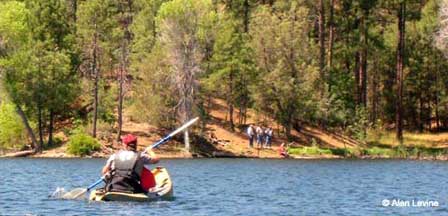
In The Pines Around Prescott
Prescott Arizona
Map & Directions
Prescott Arizona
Average Temperatures
About Prescott AZ
Jerome Area Map
Jerome Arizona
Lakes Nearby Prescott
Watson Lake
Goldwater Lake
Lynx Lake
Willow Lake
Things To Do
Camping In Prescott
Prescott Lakes
Prescott Attractions
Prescott Golf Courses
Prescott Hiking
Prescott Museums
Nearby Camping
White Spar Campground
Lynx Lake Campground
Granite Group Camping
Hilltop Campground
Lower Wolf Creek
Upper Wolf Creek
Where To Stay
Prescott Cabin Rentals
Bed & Breakfast
Prescott RV Parks
Prescott Articles
History Lives In Prescott
Whiskey Row