
Arizona's Most Interesting Native American Indian Ruins
Updated by AZ Leisure Staff Writers on
Arizona is home to an extraordinary collection of Native American archaeological sites, including ancient cliff dwellings, pueblos, rock art panels and ceremonial structures preserved across deserts, canyons and high-country plateaus. Visitors can explore well-known destinations such as Montezuma Castle, Walnut Canyon, Wupatki, Canyon de Chelly, Tuzigoot and Casa Grande Ruins, along with more remote sites on Navajo Nation and in the White Mountains. This guide highlights Arizona's most interesting ancient ruins by region, explains what visitors can expect, and provides practical tips for planning a respectful and rewarding visit.
- Ancient Cultures Of Arizona
- Ruins By Region
- Most Popular Ruins
- Planning Your Visit
- Visitor Tips
- Best Time To Visit
- FAQ
Ancient Cultures Of Arizona
Arizona's archaeological sites were created by several distinct ancestral cultures whose descendants remain connected to these places today. The names used by archaeologists help describe broad cultural traditions, but many sites also have continuing significance to present-day Tribal communities.
- Hohokam: Known for extensive desert irrigation canals, villages and ceremonial structures in central and southern Arizona.
- Sinagua: Associated with pueblos and cliff dwellings throughout the Verde Valley and Flagstaff region.
- Ancestral Puebloan peoples: Builders of major pueblos and cliff dwellings across northern and northeastern Arizona.
- Mogollon: Associated with villages and archaeological sites across eastern Arizona and the White Mountains.
Why Visit Arizona Archaeological Sites
Visiting Arizona's archaeological sites offers a powerful connection to the people, communities and traditions that shaped the Southwest long before modern cities and highways appeared. Many sites combine preserved architecture with scenic desert, canyon and mountain landscapes. Some feature short accessible trails and visitor centers, while others require reservations, guided tours or strenuous hikes. Interpretive exhibits and ranger programs can help visitors better understand how ancestral communities adapted to Arizona's varied climates and environments.
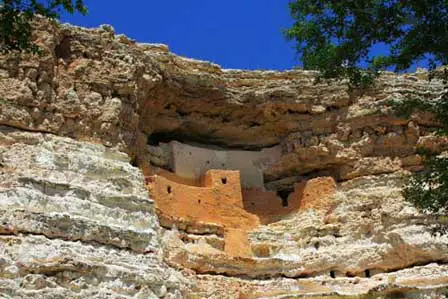 Montezuma Castle National Monument. © Mike Koopsen
For the convenience of both residents and Arizona tourists, following are the most visited prehistoric Indian ruins in Arizona. We've also provided links to other sites and pages within this website for more detailed information.
Ruins In Central Arizona Including The Phoenix Area
Central Arizona once supported extensive Indigenous communities, particularly along the Salt and Gila river valleys. Archaeological evidence includes ancient irrigation canals, village sites, platform mounds and ceremonial areas, although urban growth has altered or covered many locations.
In Phoenix, S'edav Va'aki Museum and Archaeological Park preserves part of a major ancestral Hohokam village near Sky Harbor International Airport. South of Phoenix near Coolidge, Casa Grande Ruins National Monument protects a large multistory structure and surrounding village remains. Farther east in Globe, Besh-Ba-Gowah Archaeological Park features reconstructed rooms, artifacts and exhibits interpreting a community occupied centuries ago.
Sedona And Verde Valley Area Ruins
The Sedona and Verde Valley region contains some of Arizona's most accessible and impressive archaeological sites. Near Clarkdale, Tuzigoot National Monument preserves a hilltop pueblo overlooking the Verde Valley. An interpretive trail leads through the partially restored rooms and provides broad views of the surrounding landscape.
Near Camp Verde, Montezuma Castle National Monument protects a five-story cliff dwelling built by ancestral Sinagua people. Visitors view the structure from a trail below the limestone cliff. Nearby Montezuma Well is a natural limestone sinkhole surrounded by archaeological remains and ancient irrigation features. West of Sedona, Palatki Heritage Site features cliff dwellings and rock art; reservations may be required.
Flagstaff Area Indian Ruins
East of Flagstaff, Walnut Canyon National Monument protects cliff dwellings built along narrow limestone ledges. Visitors can view the canyon from overlooks or descend the Island Trail when conditions permit. North of Flagstaff, Wupatki National Monument preserves several large pueblos, smaller habitation sites and a historic ballcourt within an open high-desert landscape shaped by volcanic activity.
Navajo Nation Archaeological Sites
Northeastern Arizona contains some of the state's most dramatic cliff dwellings and archaeological landscapes. Navajo National Monument protects Betatakin, Keet Seel and Inscription House, although access varies by site, season and current National Park Service conditions. Some destinations require strenuous hiking, advance planning or ranger-led access.
Canyon de Chelly National Monument combines archaeological sites, spectacular sandstone walls and living Navajo communities. Most canyon travel requires an authorized Navajo guide, while scenic overlooks along the rim can be visited independently. Regulations and permitted access can change, so visitors should verify current requirements before arriving.
White Mountains Area Ruins
Eastern Arizona and the White Mountains contain archaeological sites associated with ancestral Mogollon communities. Near Springerville, Casa Malpaís Archaeological Park preserves a pueblo, ceremonial structures and rooms built around natural volcanic features. Access, tours and operating schedules may vary, so visitors should confirm current arrangements before traveling.
Most Popular Arizona Indian Ruins
- Montezuma Castle National Monument: A remarkably preserved cliff dwelling near Camp Verde.
- Walnut Canyon National Monument: Cliff dwellings built along limestone ledges near Flagstaff.
- Wupatki National Monument: Large pueblos and high-desert archaeological sites north of Flagstaff.
- Canyon de Chelly National Monument: Ancient cliff dwellings within a living Navajo cultural landscape.
- Casa Grande Ruins National Monument: A massive ancestral Hohokam structure near Coolidge.
- Palatki Heritage Site: Cliff dwellings and rock art northwest of Sedona.
- Tuzigoot National Monument: A hilltop pueblo overlooking the Verde Valley.
- Navajo National Monument: Remote cliff dwellings including Betatakin and Keet Seel.
Planning A Visit To Arizona Ruins
Conditions and access rules vary greatly among Arizona archaeological sites. Some national monuments have paved trails and visitor centers, while remote locations may require reservations, permits, guided tours or difficult hikes.
- Check current operating hours and seasonal closures before leaving.
- Reserve guided tours or timed-entry visits when required.
- Confirm Tribal permits and guide requirements for sites on Tribal lands.
- Allow extra travel time for remote roads and limited services.
- Review trail length, elevation change and accessibility information.
- Never touch rock art, climb on walls or remove pottery fragments or other objects.
Tips For Visiting Arizona Archaeological Sites
- Bring Water: Many sites are located in dry environments with limited shade.
- Wear Sturdy Shoes: Trails may include loose rock, stairs and uneven surfaces.
- Check Access Requirements: Some locations require reservations, permits or authorized guides.
- Respect Sacred Places: Remain on designated trails and avoid entering closed areas.
- Leave Artifacts In Place: Removing pottery, stone tools or other objects is illegal and damages the site.
- Arrive Early: Morning visits generally provide cooler temperatures and softer photography light.
- Avoid Touching Rock Art: Oils from hands can permanently damage pictographs and petroglyphs.
Best Times To Visit Arizona Indian Ruins
- Spring: Mild temperatures make spring an excellent season for archaeological sites throughout the state.
- Summer: Higher-elevation destinations near Flagstaff and the White Mountains are generally more comfortable than low-desert sites.
- Fall: Cooler weather and lighter crowds make fall ideal for hiking and sightseeing.
- Winter: Lower-elevation sites near Phoenix, Tucson and Casa Grande often have pleasant daytime temperatures.
Arizona Indian Ruins FAQ
What are the most famous Indian ruins in Arizona?
Some of the best-known sites include Montezuma Castle, Walnut Canyon, Wupatki, Canyon de Chelly, Casa Grande Ruins, Tuzigoot and Navajo National Monument.
Are Arizona Indian ruins open year-round?
Many archaeological sites are open throughout the year, but weather, road conditions, staffing, guided-tour schedules and seasonal closures can affect access.
Which Arizona ruins are easiest to visit from Phoenix?
Popular sites within driving distance of Phoenix include S'edav Va'aki, Casa Grande Ruins, Montezuma Castle, Montezuma Well, Tuzigoot and Besh-Ba-Gowah.
Can visitors enter Arizona cliff dwellings?
Access varies by site. Some dwellings can be approached or entered on designated trails, while others are protected and can only be viewed from overlooks.
Do any Arizona ruins require reservations?
Yes. Some heritage sites, guided tours and remote archaeological areas require advance reservations, permits or authorized guides.
Are permits required on Navajo Nation?
Permits or authorized guides may be required for certain destinations and backcountry areas. Visitors should verify current Navajo Nation and site-specific requirements.
What should I bring when visiting Arizona ruins?
Bring drinking water, sun protection, sturdy walking shoes, weather-appropriate clothing and a camera or binoculars.
Can visitors collect pottery or artifacts?
No. Archaeological objects must remain where they are found. Removing artifacts is illegal at protected sites and destroys important historical context.
Indian Ruins In Arizona
Arizona Indian Ruins
Canyon de Chelly
Casa Grande Ruins
Montezuma Castle
Map & Directions Montezuma Castle
Montezuma Well
Palatki Indian Ruins
Pueblo Grande
Walnut Canyon
Wupatki Ruins
Most Popular Things To Do In AZ
Additional Arizona Activities