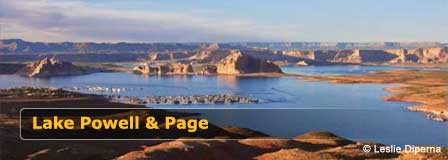
Lake Powell Facts
Reviewed and updated by AZ Leisure Staff Writers on
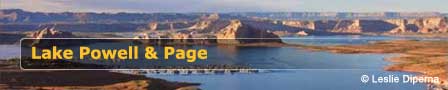
Lake Powell is the second-largest reservoir in the United States by total storage capacity and one of the Southwest's most distinctive water-recreation destinations. Created by Glen Canyon Dam on the Colorado River, the reservoir stretches through northern Arizona and southern Utah within Glen Canyon National Recreation Area and is known for boating, fishing, kayaking, camping and houseboat vacations.
At full pool, Lake Powell extends approximately 186 miles, has about 1,960 miles of shoreline and reaches roughly 560 feet deep at Glen Canyon Dam. More than 90 major side canyons branch from the reservoir, creating the maze of sandstone cliffs, coves and waterways that makes Lake Powell especially popular with boaters and paddlers.
- Lake Powell Quick Facts
- History & Glen Canyon Dam
- Things To Do
- Fishing
- Water Levels
- Best Time To Visit
- Nearby Attractions
- Map
- FAQ
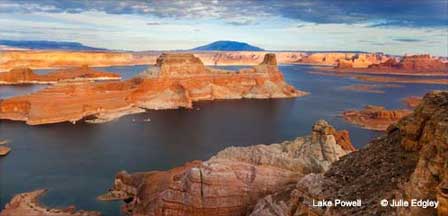
Why Visit Lake Powell
Lake Powell combines dramatic Colorado Plateau scenery with an enormous range of water recreation. Visitors explore sandstone side canyons by boat or kayak, fish rocky shorelines and open water, swim in suitable coves, camp near the lake and take multi-day houseboat trips into remote portions of the reservoir.
The southern end of Lake Powell is also convenient to Page, Arizona and major regional attractions including Horseshoe Bend, Antelope Canyon, Glen Canyon Dam and Rainbow Bridge National Monument.
Lake Powell Quick Facts
- Location: Northern Arizona and southern Utah within Glen Canyon National Recreation Area
- River: Colorado River
- Created by: Glen Canyon Dam
- Full-pool elevation: 3,700 feet above sea level
- Length at full pool: Approximately 186 miles
- Shoreline at full pool: Approximately 1,960 miles
- Surface area at normal full elevation: Approximately 161,390 acres
- Total storage capacity: Approximately 25.16 million acre-feet
- Depth at Glen Canyon Dam when full: Approximately 560 feet
- Side canyons: More than 90
- Named for: John Wesley Powell, who led an 1869 Colorado River expedition
- Primary gateway city: Page, Arizona
Lake Powell History & Glen Canyon Dam
Lake Powell began forming when the Colorado River was impounded behind Glen Canyon Dam in March 1963. The reservoir reached its initial full-pool elevation of 3,700 feet in June 1980, approximately 17 years after filling began.
Glen Canyon Dam is a concrete arch dam rising 710 feet above bedrock. Its hydroelectric powerplant contains eight generating units. Lake Powell also provides major water-storage capacity for the Colorado River system in addition to supporting recreation throughout Glen Canyon National Recreation Area.
Lake Powell was named for Major John Wesley Powell, a Civil War veteran, geologist and explorer who led the famous 1869 expedition down the Colorado River through the Grand Canyon.
Lake Powell & Glen Canyon Visitation
Glen Canyon National Recreation Area is one of the country's most visited National Park Service recreation areas. The park recorded approximately 3.73 million recreation visits in 2025. Annual visitation varies with weather, lake levels, travel conditions and other factors.
Things To Do At Lake Powell
- Houseboating: Explore remote coves and canyon scenery while spending multiple nights directly on the lake.
- Boating: Cruise the main channel, bays and sandstone side canyons.
- Fishing: Pursue striped bass, smallmouth bass, largemouth bass, walleye and other sport fish.
- Kayaking & Paddleboarding: Explore protected coves and narrow canyon passages.
- Swimming: Swim in suitable lake areas away from marinas, launch ramps and heavy boat traffic.
- Photography: Photograph sandstone cliffs, blue water, desert landscapes and canyon sunsets.
- Camping: Use developed campgrounds or permitted primitive camping areas under current National Park Service rules.
- Sightseeing: Visit Rainbow Bridge, Antelope Canyon, Horseshoe Bend and Glen Canyon Dam.
Fishing At Lake Powell
Lake Powell supports a diverse warm-water sport fishery. Striped bass and smallmouth bass are among its best-known game fish, while anglers also pursue largemouth bass, walleye, crappie, catfish and sunfish. Productive locations change with season, water temperature, forage movements and reservoir elevation.
Because Lake Powell extends through both Arizona and Utah, anglers should check current fishing-license requirements, limits and regulations before fishing. Boaters should also review current lake and launch conditions before planning access to specific fishing areas.
Best Time To Visit Lake Powell
- Spring: Mild temperatures and lighter crowds can be excellent for fishing, boating, kayaking and sightseeing, although spring winds can be unpredictable.
- Summer: Peak season for houseboating, swimming and water sports, with warm water and long days but also extreme heat and heavier boat traffic.
- Fall: Warm water, cooler daytime temperatures and lighter crowds make fall one of the most comfortable seasons for boating and outdoor recreation.
- Winter: Quiet conditions are well suited to sightseeing, photography and fishing, but cold temperatures and reduced seasonal services require additional planning.
Lake Powell Water Levels & Conditions
Lake Powell's water level changes throughout the year in response to Colorado River inflows, snowpack, precipitation, drought conditions and releases from Glen Canyon Dam. Reservoir elevation directly affects launch ramps, marina access, navigation routes, shoreline conditions and access to some side canyons.
Low water can expose additional sandstone formations, former shorelines and underwater hazards, while rising water can change available boating routes and shoreline access. Boaters should check current National Park Service and Bureau of Reclamation lake-level information before every trip rather than relying on conditions from a previous visit.
Lake Powell Visitor & Boating Tips
- Check current lake elevation and launch-ramp status before towing a boat.
- Carry current navigation information because exposed rocks and submerged hazards change as reservoir levels fluctuate.
- Check weather and wind forecasts before boating, kayaking or paddleboarding.
- Carry abundant drinking water and sun protection during warm-weather visits.
- Confirm fuel availability before traveling into remote portions of the reservoir.
- Clean, drain and dry boats and water equipment to reduce the spread of aquatic invasive species.
- Allow extra travel time because Lake Powell recreation areas and attractions are widely separated.
Nearby Attractions Around Lake Powell
- Horseshoe Bend: Famous Colorado River overlook near Page, Arizona.
- Antelope Canyon: Renowned sandstone slot canyon on Navajo Nation land near Page.
- Rainbow Bridge National Monument: One of the world's largest known natural bridges and a culturally significant sacred site.
- Glen Canyon Dam: The Colorado River dam that created Lake Powell.
- Glen Canyon Dam Overlook: Scenic overlook above the Colorado River below the dam.
- Page, Arizona: Primary gateway community for southern Lake Powell lodging, dining, tours and visitor services.
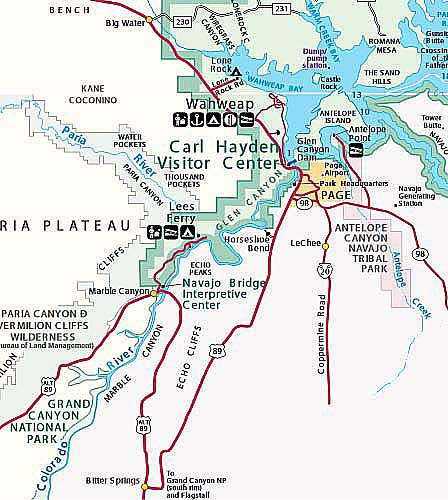
Lake Powell & Page Arizona Map
Frequently Asked Questions About Lake Powell
Where Is Lake Powell Located?
Lake Powell extends through northern Arizona and southern Utah within Glen Canyon National Recreation Area. Page, Arizona is the principal gateway to the southern portion of the reservoir.
How Long Is Lake Powell?
Lake Powell is approximately 186 miles long when measured at full pool from Glen Canyon Dam through the reservoir's main channel.
How Much Shoreline Does Lake Powell Have?
Lake Powell has approximately 1,960 miles of shoreline at full pool. Actual shoreline length changes as reservoir elevation rises and falls.
How Deep Is Lake Powell?
Lake Powell reaches approximately 560 feet deep at Glen Canyon Dam when the reservoir is at full elevation.
How Much Water Does Lake Powell Hold?
Lake Powell has a total storage capacity of approximately 25.16 million acre-feet at its normal full elevation of 3,700 feet above sea level.
What Is Lake Powell Known For?
Lake Powell is known for houseboating, boating, fishing, kayaking, sandstone side canyons, dramatic desert scenery and water recreation within Glen Canyon National Recreation Area.
Can You Swim In Lake Powell?
Yes. Swimming is permitted in many suitable areas of Lake Powell, but visitors should stay away from marinas, launch ramps and heavy boat traffic and follow current National Park Service safety rules.
What Fish Are In Lake Powell?
Popular sport fish include striped bass, smallmouth bass, largemouth bass, walleye, crappie, catfish and sunfish.
When Is The Best Time To Visit Lake Powell?
Spring and fall generally offer the most comfortable temperatures for boating, fishing and sightseeing. Summer is peak season for swimming and houseboating but can be extremely hot, while winter is quieter and much cooler.
Are Houseboat Rentals Available At Lake Powell?
Yes. Lake Powell remains one of the country's best-known houseboating destinations. Current rental departure options include Wahweap Marina near Page, Antelope Point Marina near Page and Halls Crossing Marina in Utah.
Lake Powell & Page Arizona