
Arizona Bobcats
Reviewed and updated by AZ Leisure Staff Writers on
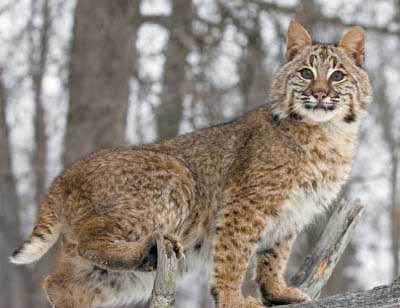
Bobcats are among the most adaptable wild cats in Arizona, living in deserts, grasslands, forests and rugged mountain terrain throughout the state. Smaller than mountain lions but highly skilled hunters, Arizona bobcats feed primarily on rabbits, rodents, birds and other small animals. They are generally secretive and are most active around dawn and dusk. Hikers, campers and residents occasionally spot bobcats moving quietly through canyons, mountain areas, desert washes and suburban neighborhoods where natural cover, water and prey are available.
Are Bobcats Dangerous?
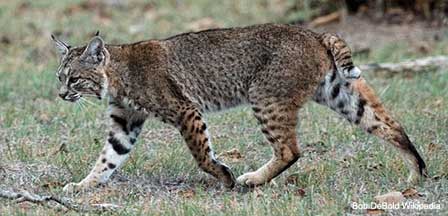
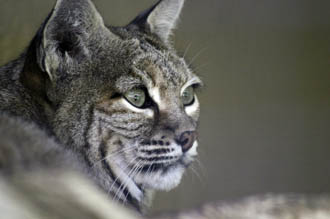
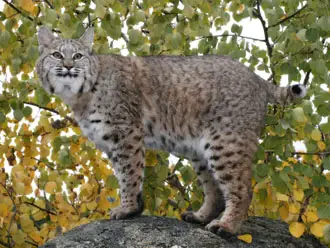
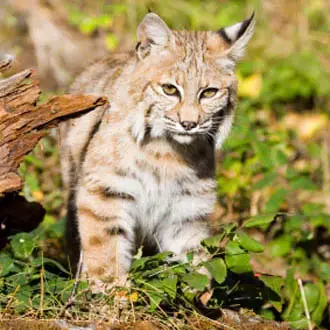
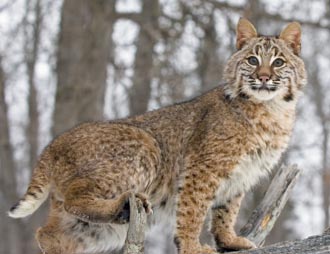
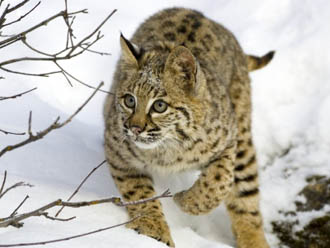
Bobcats are Arizona's most common wild feline and generally avoid people. Adults typically weigh 12 to 30 pounds and measure about 2 to 3 feet long. Their coats range from tan and reddish brown to gray, with spots or dark markings, pale undersides, pointed ears and a short “bobbed” tail. Although bobcats rarely attack people, they are powerful wild animals with sharp claws and teeth. Never approach, corner, feed or attempt to touch a bobcat.
Bobcats Traits and Behavior
Bobcats are elusive and usually retreat when they encounter people. However, their relatively small size should not be mistaken for weakness. Bobcats are strong, agile predators capable of defending themselves when cornered or threatened. Observe them from a safe distance, keep children and pets away, and always provide the animal with an open route to leave.
Where Bobcats Live in Arizona
Bobcats are territorial and usually live alone, although a female may travel with kittens and adults may briefly associate during breeding season. They occur throughout Arizona, from low desert communities to rocky canyons, grasslands and forested mountain areas such as the White Mountains. Bobcats are most active during twilight and nighttime hours. Their diet consists primarily of cottontail rabbits, jackrabbits, rodents and birds, although they may also eat reptiles and occasionally larger prey.
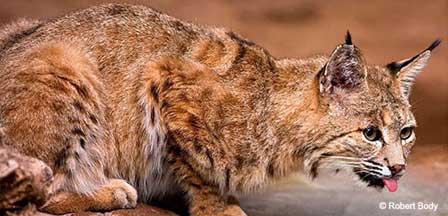
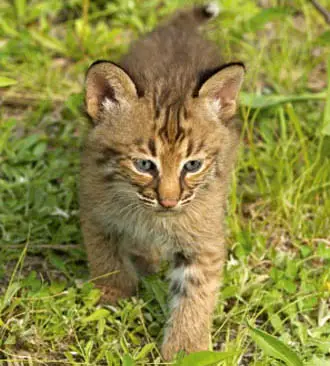
Bobcats generally reach breeding age at about two years. Breeding most often occurs during winter and spring, followed by a gestation period of approximately 50 to 60 days. Females usually give birth to two to four kittens in a secluded den located in a rocky crevice, cave, hollow tree or dense cover. The female raises the kittens alone, nursing them for about two months before gradually teaching them to hunt.
Habitat Range of the Bobcat
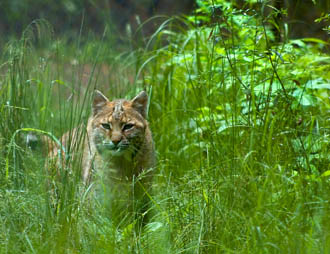
Bobcats are found throughout Arizona at all elevations and landscape from the desert to rocky and forested areas. Since neighborhoods are continually expanding into wildlife territory, it is not unusual to find bobcats lounging and napping in home backyards under bushes and vegetation.
During daylight hours, the bobcat sleeps in rocky crevices, caves, thick brush and even hollow decaying tree logs. A lone male bobcat may have a territory that overlaps with female bobcats for breeding convenience.
Bobcat Conservation in Arizona
Development continues to reduce and fragment some natural bobcat habitat, but Arizona's bobcat population is considered stable. Bobcats are managed by the Arizona Game and Fish Department as a renewable wildlife resource, and regulated harvest is monitored to help maintain their statewide range and population. Residents can help bobcats remain wild by protecting natural habitat, securing poultry and small pets, removing outdoor food sources and never intentionally feeding wildlife.
Bobcat Video
Arizona Bobcat Sightings, Behavior and Pictures
Arizona Animals
Wildlife Creatures
Bobcats (Wildcats)
Wildlife in Arizona
Javelina
Black Bear
Venomous Animals
Pronghorn Antelope
Coyotes
Ringtail Cat
Arizona Badger
Mountain Lions
Arizona Elk
Bald Eagle
Desert Bighorn Sheep
White Tail Deer
Golden Eagle