Arizona Wildlife: Native Animals, Birds & Reptiles
Updated by AZ Leisure Staff Writers on
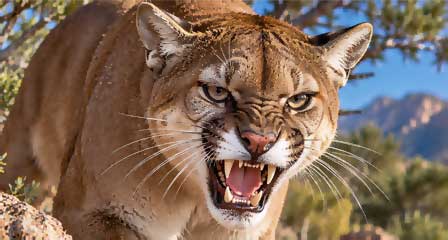
Arizona is home to an extraordinary variety of native wildlife, from mountain lions, elk and black bears in the high-country forests to coyotes, javelina, bobcats, rattlesnakes and Gila monsters in the deserts. The state's dramatic changes in elevation create a wide range of natural habitats, including Sonoran Desert landscapes, open grasslands, rugged canyons, mountain meadows, pine forests and riverside corridors. These environments support hundreds of animal species, making Arizona an outstanding destination for wildlife enthusiasts and nature photographers.
This Arizona wildlife guide introduces some of the state's best-known mammals, birds, reptiles and other native creatures. Explore the animal profiles below to learn about their natural habitats and behavior, then discover where to watch wildlife throughout Arizona and how to enjoy encounters safely and responsibly.
- Common Arizona Wildlife
- Arizona Wildlife Habitats
- Where To See Wildlife
- Best Times To See Wildlife
- Wildlife Viewing Safety
- Arizona Wildlife FAQ
Common Wildlife In Arizona
Bobcats
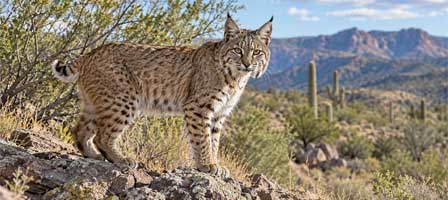
Bobcats are secretive predators found in desert, grassland, woodland and rocky habitats throughout much of Arizona.
Black Bears
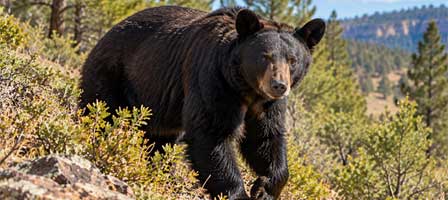
Arizona black bears live primarily in forested mountain regions where food and suitable cover are available.
Pronghorn Antelope
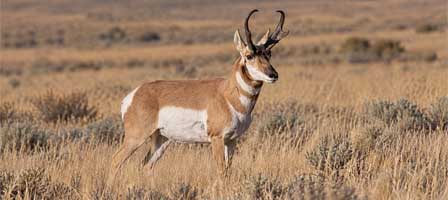
Fast-running pronghorn inhabit open grasslands, plains and high-desert country, particularly in northern Arizona.
Ringtail
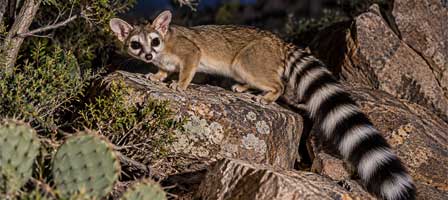
The ringtail, Arizona's official state mammal, is a small nocturnal climber commonly associated with rocky canyons, cliffs and similar habitats.
Coyotes
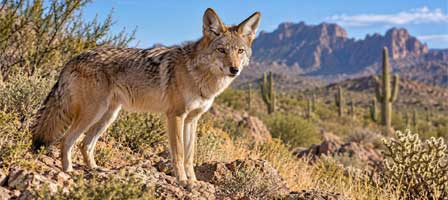
Coyotes are highly adaptable predators found in deserts, grasslands, forests and even developed areas throughout Arizona.
Arizona Badgers
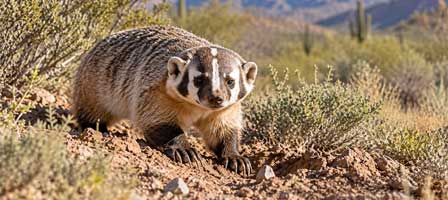
Badgers are powerful burrowing mammals found primarily in open grasslands, desert flats and other areas where rodents are available.
Mountain Lions
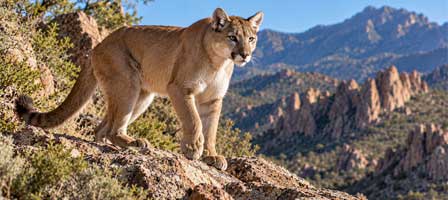
Mountain lions are elusive predators that occupy mountain ranges, canyons and other rugged habitats across much of Arizona.
Arizona Elk
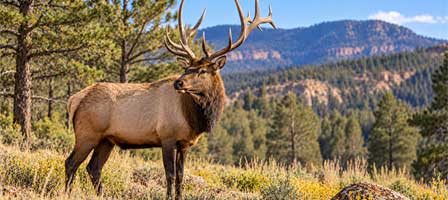
Elk are most strongly associated with northern and eastern Arizona forests, mountain meadows and surrounding high country.
Bald Eagles
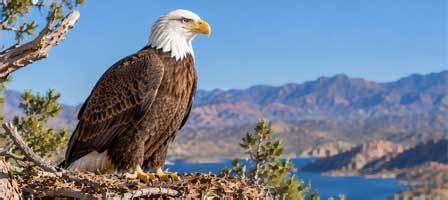
Bald eagles can be seen near Arizona lakes, reservoirs and rivers where fish and suitable nesting or roosting habitat are available.
Desert Bighorn Sheep
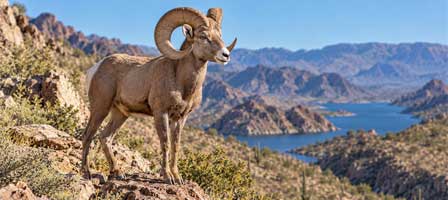
Desert bighorn sheep inhabit steep, rugged mountain and canyon terrain, particularly in western and southwestern Arizona.
White-tailed Deer
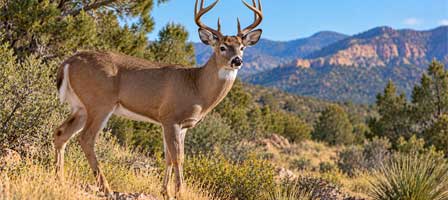
White-tailed deer occur primarily in mountain, woodland and brushy habitats, particularly in central and southeastern Arizona.
Golden Eagles
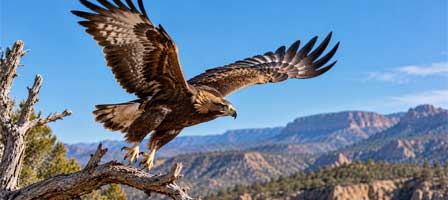
Golden eagles inhabit open country, cliffs and mountainous terrain where they hunt rabbits and other prey.
Javelina
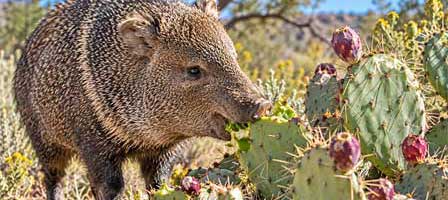
Javelina, also known as collared peccaries, are social mammals commonly found in desert and brush habitats, often traveling together in groups.
Snakes
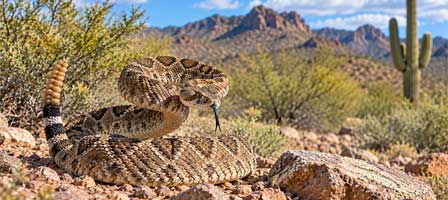
Arizona is home to numerous rattlesnake species, along with a variety of nonvenomous snakes adapted to desert, grassland, woodland and mountain environments.
Gila Monsters
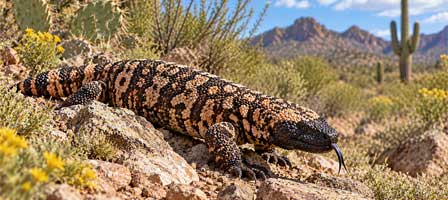
The Gila monster is a venomous native lizard recognized by its distinctive black-and-orange or pinkish markings. It inhabits desert and rocky environments, spending much of its time sheltered underground.
Venomous Critters
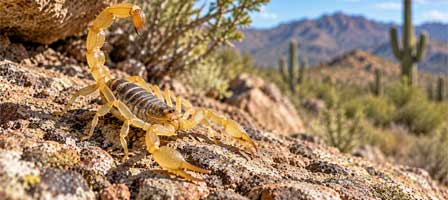
The Arizona bark scorpion is a small, venomous arachnid found in desert and rocky habitats, as well as around buildings and landscaped areas. It is primarily active at night and may shelter beneath rocks, bark and other cover during the day.
Arizona Wildlife Habitats
Arizona's wildlife diversity reflects the state's dramatic differences in elevation, temperature, vegetation and water availability. Animals that thrive in the low Sonoran Desert may be very different from species found in the forests and mountain meadows of northern and eastern Arizona.
Desert habitats: Sonoran and other desert environments support javelina, coyotes, bobcats, desert bighorn sheep, rattlesnakes, scorpions, Gila monsters and many other species adapted to heat and limited water.
Grasslands and open country: Arizona's grasslands provide habitat for pronghorn, badgers, coyotes, golden eagles and numerous smaller mammals and birds.
Forests and mountains: Higher-elevation forests and woodlands provide important habitat for elk, black bears, mountain lions, deer and many species of birds.
Rivers, lakes and riparian areas: Waterways and vegetation along rivers, streams and lakes support an especially rich variety of birds, mammals, reptiles and other wildlife.
Where To See Wildlife In Arizona
Wildlife can be seen throughout Arizona, but the species you encounter depend heavily on habitat and elevation. Northern Arizona forests and mountain meadows are good areas for elk and deer, while desert areas of central and southern Arizona support javelina, coyotes, reptiles and many desert birds. Mountain ranges and rugged canyon country provide habitat for bighorn sheep, mountain lions and birds of prey.
Lakes, rivers, marshes and riparian corridors can be especially productive for wildlife viewing because water attracts both resident and migrating species. Arizona also has designated wildlife areas throughout the state where visitors can observe birds, mammals and other animals in protected habitat.
Best Times To See Wildlife In Arizona
Early morning and late afternoon are often the best times to observe Arizona wildlife, particularly during the warmer months when many animals avoid midday heat. Desert mammals such as coyotes, bobcats and javelina may be more active during cooler hours, while nocturnal animals such as ringtails and scorpions are more likely to be encountered after dark.
Spring: Mild temperatures bring increased wildlife activity in many desert and grassland habitats. Birds are especially active during spring migration and breeding season, while reptiles become more visible as temperatures rise.
Summer: Higher-elevation forests and mountain meadows provide opportunities to observe elk, deer and other mountain wildlife. In lower desert elevations, early mornings, evenings and nighttime hours are generally more productive than the hottest part of the day.
Fall: Cooler weather creates favorable conditions for wildlife watching across much of Arizona. Elk are particularly active during their autumn breeding season, when bulls may be heard bugling in northern and eastern Arizona.
Winter: Desert wildlife viewing can be comfortable during mild winter days. Bald eagles and other wintering birds may be observed around suitable lakes, reservoirs and river habitats, while activity among some reptiles is greatly reduced.
Wildlife Viewing Safety
Wild animals should be observed from a respectful distance without approaching, feeding or attempting to touch them. Give animals plenty of space and avoid interfering with feeding, resting, nesting or travel routes. Binoculars and camera zoom lenses allow visitors to enjoy close views without moving too near the animal.
- Never feed wild animals or leave food where wildlife can reach it
- Keep children and pets close when wildlife is nearby
- Use binoculars or a zoom lens rather than approaching animals
- Move quietly and avoid surrounding or blocking an animal's escape route
- Give extra space to animals with young
- Never handle snakes, scorpions or unfamiliar wild animals
- Store food and trash securely when camping or picnicking
- Stay well away from elk, deer and other large animals, especially during breeding season or when young are present
- Watch where you place your hands and feet when hiking near rocks, logs, brush and other places where snakes or scorpions may shelter
- If you encounter a mountain lion or black bear, remain calm, do not run and follow species-specific wildlife safety guidance
Arizona Wildlife FAQ
What wildlife is common in Arizona?
Common Arizona wildlife includes coyotes, javelina, bobcats, deer, rabbits, birds of prey, reptiles and many smaller mammals. Elk, black bears, mountain lions, pronghorn and bighorn sheep also occur in suitable habitats around the state.
What is Arizona's state mammal?
The ringtail is Arizona's official state mammal. This small nocturnal relative of the raccoon is an agile climber commonly associated with rocky canyons and similar terrain.
Where is the best place to see wildlife in Arizona?
Good wildlife-viewing areas occur throughout Arizona. Forests and mountain meadows in northern and eastern Arizona, desert habitats in central and southern Arizona, and riparian areas along rivers, lakes and wetlands can all provide excellent viewing opportunities.
Are there mountain lions in Arizona?
Yes. Mountain lions live in Arizona and can occupy mountainous, canyon and rugged backcountry habitats throughout much of the state, although they are secretive and are not commonly seen.
Are there bears in Arizona?
Yes. American black bears live in Arizona, primarily in forested and mountainous areas where suitable cover, food and water are available.
Are javelina pigs?
No. Javelina, also called collared peccaries, may resemble wild pigs but belong to a different animal family. They commonly live in desert, brush and woodland habitats in Arizona.
What venomous animals live in Arizona?
Arizona is home to several venomous animals, including multiple rattlesnake species, bark scorpions, coral snakes and Gila monsters. Visitors should avoid handling wildlife and watch where they place their hands and feet in suitable habitat.
How should I safely watch wildlife in Arizona?
Observe wildlife from a distance, never feed or touch wild animals, keep pets under control and use binoculars or camera lenses for closer views. Always give wildlife an unobstructed path to move away.
What Is The Best Time Of Day To See Wildlife In Arizona?
Early morning and late afternoon are often the best times to see wildlife in Arizona, especially during hot weather. Many desert mammals are most active during cooler hours, while nocturnal animals such as ringtails and scorpions are more likely to be encountered after sunset. Wildlife activity varies by species, season and habitat.
Where Can You See Elk And Deer In Arizona?
Elk are commonly associated with the forests and mountain meadows of northern and eastern Arizona, including the Flagstaff area, Mogollon Rim and White Mountains. Deer inhabit a wider range of environments, from mountain woodlands and forests to brush-covered foothills. Early morning and evening are often productive times for observing these animals from a safe distance.
Arizona Animals
Wildlife Creatures
Wildlife in Arizona
Javelina
Bobcats (Wildcats)
Black Bear
Venomous Animals
Pronghorn Antelope
Coyotes
Ringtail Cat
Arizona Badger
Mountain Lions
Arizona Elk
Bald Eagle
Desert Bighorn Sheep
White Tail Deer
Golden Eagle