Grand Canyon Wildlife
Updated by AZ Leisure Staff Writers on
Grand Canyon wildlife reflects the park's extraordinary range of elevations and habitats, from ponderosa pine forests on the rims to desert slopes and the Colorado River corridor. Visitors may encounter mule deer, elk, desert bighorn sheep, coyotes, squirrels and wild turkeys, while California condors, ravens, eagles and peregrine falcons soar above the canyon. Reptiles, bats, insects and other animals become more noticeable below the rim. Wildlife sightings are never guaranteed, but early morning, late afternoon and quieter park areas often provide excellent opportunities to observe animals while exploring Grand Canyon National Park.
- Grand Canyon Wildlife Facts
- Wildlife Viewing & Safety
- Best Places To See Wildlife
- Mammals
- Birds & California Condors
- Reptiles & Rattlesnakes
- Scorpions & Spiders
- Best Time To See Wildlife
- Wildlife Photography Tips
- FAQ
Grand Canyon Wildlife Facts
- Mammals: Approximately 91 species are documented in the park.
- Birds: Approximately 450 species have been documented.
- Reptiles & amphibians: Approximately 58 species occur in the park.
- Invertebrates: More than 1,400 species have been documented.
- Largest native land animal: Desert bighorn sheep.
- Largest land bird: California condor, with a wingspan reaching about 9.5 feet.
- Common South Rim mammals: Mule deer, elk and squirrels.
- Notable regional species: Kaibab squirrel and Grand Canyon rattlesnake.
- Best viewing times: Early morning and late afternoon are often productive.
Grand Canyon Wildlife Viewing And Safety
All Grand Canyon animals are wild, even when they appear accustomed to people. Never feed, touch, surround or intentionally attract wildlife for photographs. Animals that become accustomed to human food can become aggressive and may ultimately have to be removed or destroyed.
Keep at least 100 feet from elk and North Rim bison. For deer, bighorn sheep, California condors and mountain lions, remain at least 75 feet away, and keep at least 20 feet from smaller wildlife such as squirrels, birds and reptiles. If an animal approaches you, back away and restore a safe distance.
- Never feed wildlife or leave food unattended.
- Use binoculars or a telephoto lens rather than approaching animals.
- Do not whistle, call or make noises to attract wildlife.
- Drive slowly around dawn, dusk and after dark when animals may cross roads.
- Store food securely at campgrounds and picnic areas.
- Never place your hands beneath rocks or into crevices where snakes or scorpions may shelter.
Best Areas To See Wildlife At The Grand Canyon
South Rim Forests & Meadows
- Look for mule deer, elk, squirrels, ravens and wild turkeys around forest edges and meadows.
- Grand Canyon Village and the surrounding ponderosa pine forest can provide frequent wildlife sightings.
- Early morning and evening are generally better than busy midday periods.
Desert View Drive & Grandview Area
- Watch for elk, mule deer, ravens, hawks, golden eagles and other soaring birds.
- Open overlooks make it easier to scan canyon walls and skies for large raptors.
- Use designated pullouts instead of stopping along the roadway.
Inner Canyon Trails
- Look for lizards, rattlesnakes, bats, insects and occasional desert bighorn sheep.
- Wildlife can become more noticeable in quieter areas away from developed rim facilities.
- Watch where you place your hands and feet around rocks and shaded crevices.
Colorado River Corridor
- Desert bighorn sheep may be seen on steep terrain and rocky slopes above the river.
- Ravens, raptors, reptiles and other canyon wildlife occur throughout the river corridor.
- Bald eagles may be seen seasonally along portions of the Colorado River.
North Rim Forests
- Look for mule deer, wild turkeys, Kaibab squirrels and other forest wildlife.
- Mountain lions inhabit North Rim forests but are secretive and rarely seen.
- Wildlife viewing depends on seasonal North Rim access and current park conditions.
Mammals Of The Grand Canyon
Desert Bighorn Sheep
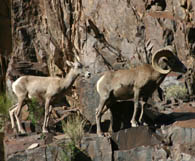
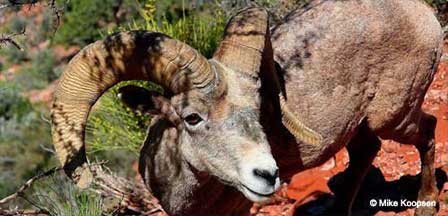
Desert bighorn sheep are among the most impressive native mammals in Grand Canyon National Park. They are especially adapted to steep cliffs, rocky slopes and desert conditions and may occur from the rims to the Colorado River. Rams can weigh up to approximately 250 pounds and develop large curved horns. Read more about Arizona desert bighorn sheep.
Mule Deer
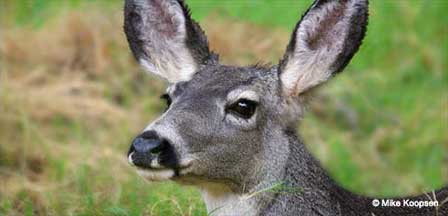
Mule deer are among the most frequently seen mammals in the park and occur from rim forests to the inner canyon and river corridor. Adults can weigh up to about 200 pounds. They are especially active during cooler parts of the day and should never be approached or fed.
Elk
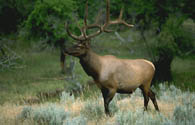
Elk are frequently seen in ponderosa pine and pinyon-juniper habitat on the South Rim. Adult bulls can reach approximately 700 pounds and grow large antlers each year. Although elk often appear calm around developed areas, they are powerful wild animals and can become dangerous when visitors approach too closely. Read more about Arizona elk.
Mountain Lions
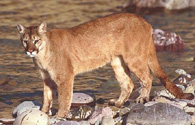
Mountain lions inhabit forests and canyon country throughout Grand Canyon National Park but are rarely seen. Their large home ranges can extend across park and surrounding National Forest lands, and they prey primarily on mule deer and elk. Sightings are uncommon because mountain lions are solitary and largely nocturnal. Read more about Arizona mountain lions.
Coyotes
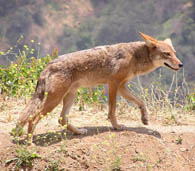
Coyotes occur throughout much of the park and may be seen on the rims as well as within the canyon. They feed on rodents, rabbits, carrion and other available food. Never encourage coyotes to approach people or campsites. Read more about Arizona coyotes.
Ringtails
Ringtails are nocturnal members of the raccoon family rather than true cats. They are agile climbers with long black-and-white banded tails and are sometimes found around rocky canyon habitat and developed areas. Read more about Arizona ringtails.
Squirrels
Several squirrel species occur within Grand Canyon National Park. Abert's squirrels are especially associated with ponderosa pine forests on the South Rim, while the distinctive Kaibab squirrel occurs on the Kaibab Plateau north of the canyon. Golden-mantled ground squirrels and other small mammals are also common in appropriate habitat. Never feed squirrels; habituated squirrels are responsible for many wildlife-related visitor injuries.
Bats
Grand Canyon supports unusually diverse bat populations. Bats are most noticeable around dusk and after dark as they hunt flying insects. They are important predators of insects and should never be handled.
Birds And California Condors At The Grand Canyon
California Condors
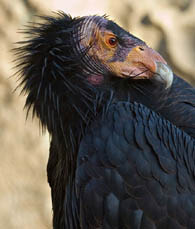
California condors are one of the Grand Canyon's most remarkable wildlife conservation stories. With wingspans reaching approximately 9.5 feet, they are the largest land birds in North America. Condors are scavengers that feed on carrion and can travel long distances while using thermal air currents to soar above canyon country.
California condors remain federally endangered, but decades of captive breeding, releases and monitoring have increased the total population from only a few dozen birds in the early 1980s to more than 500 birds today, with more than 300 flying free in the wild. Grand Canyon and northern Arizona remain important parts of the Arizona-Utah condor range.
Where To Look For California Condors
Condors may be seen soaring above or below the rim, particularly from spring through fall. Grand Canyon Village, nearby cliffs and major overlooks can offer viewing opportunities. Their broad wings, white triangular patches beneath the wings and slow soaring flight help distinguish adults from turkey vultures and other large birds.
Bald Eagles
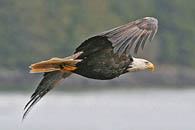
Bald eagles are most strongly associated with rivers and other water sources and may be seen seasonally along portions of the Colorado River. Adults are easily recognized by their white heads and tails.
Golden Eagles
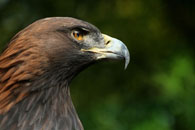
Golden eagles are large dark-brown raptors with golden feathers on the back of the head and neck. They hunt mammals and other prey over open canyon, plateau and mountain country.
Peregrine Falcons
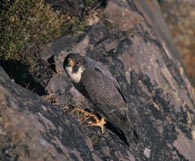
Peregrine falcons nest and hunt around canyon cliffs and are among the world's fastest birds during hunting dives. Watch for their pointed wings and rapid flight around steep canyon walls.
Ravens And Turkey Vultures
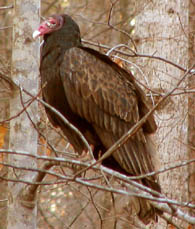
Common ravens are among the most frequently noticed birds around overlooks, campgrounds and developed areas. Turkey vultures are also common soaring birds during warmer seasons and can be distinguished from condors by their smaller size and characteristic wing posture.
Wild Turkeys
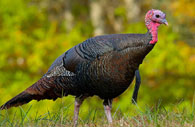
Wild turkeys inhabit forested portions of Grand Canyon National Park and may be encountered in meadows and wooded areas on the rims.
Grand Canyon Reptiles And Rattlesnakes
Grand Canyon National Park supports dozens of reptile species ranging from small lizards to venomous rattlesnakes. Reptiles occur from the pine forests of the rims to hot desert habitat near the Colorado River.
Grand Canyon Rattlesnake
The Grand Canyon rattlesnake is a pinkish or reddish subspecies of western rattlesnake found only in the Grand Canyon region. Its coloration can blend remarkably well with canyon rock. Rattlesnakes generally avoid people and use their rattles as a warning when threatened. Never attempt to touch, move or capture a rattlesnake. Read more about Arizona rattlesnakes.
Other Rattlesnakes
Several rattlesnake species occur within Grand Canyon National Park, including western, speckled, black-tailed and prairie rattlesnakes. Species distribution differs between the rims and lower elevations.
Chuckwallas And Collared Lizards
Chuckwallas and collared lizards inhabit warmer rocky areas within the canyon. Chuckwallas often escape into rock crevices and inflate their bodies to wedge themselves securely into shelter. These lizards are not dangerous to visitors and should simply be observed without handling.
Short-Horned Lizards
Short-horned lizards, sometimes informally called horned toads, occur within Grand Canyon habitat. Despite the nickname, they are lizards rather than amphibians and rely heavily on camouflage for protection.
Scorpions And Spiders At The Grand Canyon
Grand Canyon contains a tremendous diversity of insects, spiders, scorpions and other invertebrates. Some species are venomous, but serious encounters are uncommon when visitors use basic precautions.
Scorpions
Scorpions are most active at night and commonly shelter beneath rocks, inside cracks and in other protected locations. Their stings can be painful, but serious medical complications are uncommon. Shake out footwear, clothing and bedding when camping below the rim, and avoid walking barefoot at night.
Black Widow Spiders
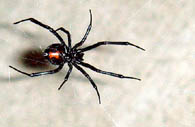
Black widow spiders may occupy dark, sheltered areas such as rock crevices and spaces beneath objects. Avoid placing bare hands into concealed areas where spiders or scorpions may be present.
Best Times To See Wildlife At The Grand Canyon
Spring - March Through May
- Wildlife activity increases as temperatures warm.
- Spring is productive for birdwatching, mule deer, elk and emerging reptiles.
- California condor viewing generally improves during spring.
- Early morning and late afternoon often provide the best viewing conditions.
Summer - June Through August
- Look for wildlife early in the morning and around sunset rather than during midday heat.
- Reptiles, bats, insects and soaring birds become especially noticeable.
- Inner-canyon wildlife activity can decrease during the hottest part of the day.
Fall - September Through November
- Cooler weather creates comfortable wildlife-viewing conditions.
- Elk, mule deer, birds and other mammals may be active around forest edges and meadows.
- Shorter days make morning and evening wildlife activity easier to observe.
Winter - December Through February
- Mule deer, elk and ravens remain active on the South Rim.
- Bald eagle viewing can improve around portions of the Colorado River corridor.
- Snow makes animal tracks easier to identify in some rim areas.
- North Rim wildlife viewing is limited by seasonal road access.
Grand Canyon Wildlife Photography Tips
- Use a telephoto lens or binoculars instead of approaching an animal.
- Never surround wildlife or block an animal's path of escape.
- Do not whistle, call or make noises to make an animal look toward the camera.
- Photograph elk and deer from well outside their safety zone.
- Scan cliff edges and thermals for condors, eagles and other soaring birds.
- Keep food packed away while waiting for wildlife around developed areas.
- Use established pullouts rather than stopping vehicles in traffic lanes.
- If an animal changes its behavior because of your presence, increase your distance.
Frequently Asked Questions About Grand Canyon Wildlife
What animals live in the Grand Canyon?
Grand Canyon National Park supports mule deer, elk, desert bighorn sheep, coyotes, ringtails, mountain lions, bats, squirrels, wild turkeys, ravens, eagles, peregrine falcons, California condors, lizards, rattlesnakes, spiders, scorpions and many other animals.
What are the most commonly seen animals at the Grand Canyon?
Mule deer, elk, squirrels and ravens are among the animals visitors commonly encounter around developed South Rim areas and nearby forest habitat.
Where is the best place to see wildlife at the Grand Canyon?
Good wildlife-viewing areas include South Rim forests and meadows, Grand Canyon Village, Desert View Drive, Grandview Point, inner-canyon trails, the Colorado River corridor and North Rim forests when seasonal access is available.
Can you see California condors at the Grand Canyon?
Yes. California condors regularly use Grand Canyon country and may be seen soaring above or below the rims. Spring through early fall is generally the most productive period for sightings.
Can you see bighorn sheep at the Grand Canyon?
Yes. Desert bighorn sheep live throughout steep canyon terrain and may sometimes be seen on rocky slopes, cliffs and areas above the Colorado River.
Are there mountain lions in the Grand Canyon?
Yes. Mountain lions inhabit Grand Canyon National Park, including forests on both rims, but sightings are rare because the animals are solitary, secretive and primarily active at night.
Are there rattlesnakes in the Grand Canyon?
Yes. Several rattlesnake species occur within Grand Canyon National Park. Most are encountered below the rim and generally try to avoid people. Never approach, touch or attempt to capture a rattlesnake.
Can you feed animals at the Grand Canyon?
No. Feeding wildlife is prohibited and can make animals unhealthy, aggressive and dependent on human food.
How close can you get to Grand Canyon wildlife?
Keep substantial distance from every animal. Current park guidance recommends at least 75 feet from deer, bighorn sheep, California condors and mountain lions, at least 100 feet from bison and elk, and at least 20 feet from smaller wildlife.
When is the best time of day to see Grand Canyon wildlife?
Early morning and late afternoon are generally good times to look for wildlife, especially during warm weather when many animals reduce activity during midday heat.
More Arizona Wildlife Guides
- Arizona Wildlife
- Desert Bighorn Sheep
- Arizona Elk
- Arizona Mountain Lions
- Arizona Coyotes
- Arizona Ringtails
- Bald Eagles
- Golden Eagles
- Arizona Rattlesnakes
- Arizona Scorpions
The Spectacular Grand Canyon