San Francisco Peaks Near Flagstaff, Arizona
Reviewed and updated by AZ Leisure Staff Writers on .
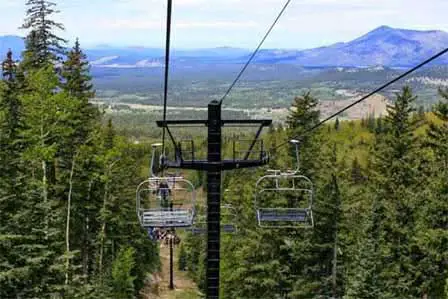 Summer Chairlift Rides. © LABabble
Rising dramatically north of Flagstaff, the San Francisco Peaks form Arizona's highest mountain range and include 12,633-foot Humphreys Peak, the highest point in the state. The Peaks offer year-round recreation including hiking, scenic drives, Arizona Snowbowl skiing and scenic lift rides, wildlife viewing, camping and brilliant fall color. Much of the high country lies within Coconino National Forest and Kachina Peaks Wilderness, making this one of Northern Arizona's most distinctive mountain destinations.
- San Francisco Peaks Overview
- Cultural Significance
- Best Things To See
- Best Time To Visit
- Hiking Trails
- Scenic Drives
- Winter Activities
- Directions & Access
- Visitor Tips
- FAQ
San Francisco Peaks Overview
The San Francisco Peaks are a prominent volcanic mountain range immediately north of Flagstaff and one of the defining natural landmarks of Northern Arizona. The range includes several high summits surrounding the eroded core of an ancient volcano, with 12,633-foot Humphreys Peak forming the highest point in Arizona. Much of the mountain landscape lies within Coconino National Forest, including high-elevation forests, alpine terrain, Kachina Peaks Wilderness, Arizona Snowbowl and numerous hiking and scenic recreation areas.
Cultural Significance Of The San Francisco Peaks
The San Francisco Peaks are deeply significant to many Indigenous peoples of the Southwest and remain an important place for ceremony, prayer, gathering traditional plants and maintaining cultural traditions. Tribes with longstanding connections to the Peaks include the Hopi, Navajo, Zuni, Acoma, Havasupai, Hualapai, Apache and others. Visitors should recognize that the mountains are not only a recreation destination but also a living cultural and sacred landscape.
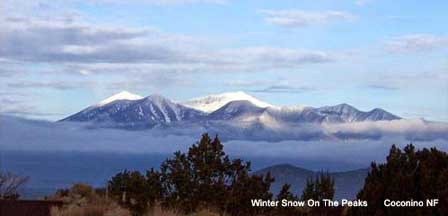
The San Francisco Peaks rise just north of Flagstaff and dominate the surrounding Colorado Plateau landscape. Humphreys Peak reaches 12,633 feet, making it the highest point in Arizona. The mountains are visible from many locations across Northern Arizona and provide access to hiking, skiing, scenic drives, wilderness areas, wildlife habitat and high-elevation forests.
Why Visit San Francisco Peaks?
The San Francisco Peaks deliver one of the most diverse outdoor experiences in northern Arizona. In a single day, visitors can enjoy high-elevation forests, open meadows, scenic overlooks, and views stretching across the Colorado Plateau. The area is especially popular for hiking to Humphreys Peak, exploring the surrounding wilderness, riding the summer scenic lift at Arizona Snowbowl, or enjoying winter skiing and snow play. The Peaks are also culturally significant and considered sacred by several Native American tribes.
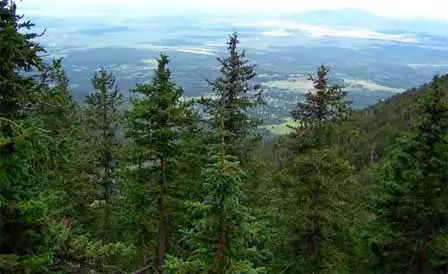 View From Humphreys Trail. Credit: Coconino NF
The San Francisco Peaks include several prominent summits surrounding the eroded core of an ancient volcano. Humphreys Peak rises to 12,633 feet, followed by Agassiz Peak at 12,356 feet and Fremont Peak at 11,969 feet. Aubineau, Reese and Doyle peaks help form the surrounding high country. From the upper slopes and nearby viewpoints, visitors can see vast portions of the Colorado Plateau, including distant volcanic fields, forests and, on clear days, areas toward the Grand Canyon.
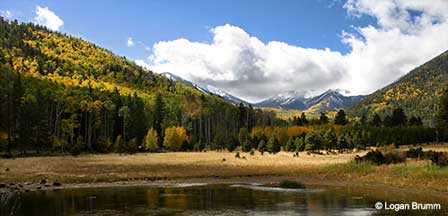
Best Things To See Around San Francisco Peaks
- Humphreys Peak – Arizona’s highest summit with unforgettable views.
- Arizona Snowbowl – Scenic chairlift rides, skiing, and mountain activities.
- Inner Basin – Beautiful seasonal drives with aspen groves and fall color.
- Hart Prairie – Meadows, wildflowers, and wildlife viewing.
- Lava River Cave – Unique lava tube adventure nearby.
- Sunset Crater Volcano National Monument – Volcanic landscapes east of the Peaks.
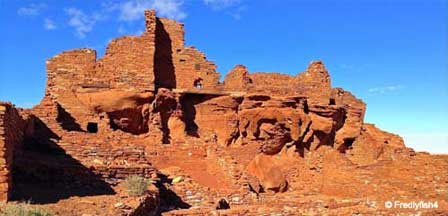
- Wupatki National Monument – Ancient pueblos with Peaks views in the distance.
Best Times To Visit Flagstaff And The San Francisco Peaks
- Spring (March to May) – Excellent for cool weather, fewer crowds, forest scenery, and lower-elevation hiking as snow begins melting. Late spring is ideal for scenic drives and visiting Arizona Snowbowl base area.
- Summer (June to August) – Most popular season for escaping desert heat. Ideal for mountain hiking, wildflowers, chairlift rides, camping, festivals, and daytime temperatures much cooler than Phoenix. Best overall season for outdoor recreation.
- Early Fall (September to October) – One of the top times to visit for crisp air, golden aspen color, clear skies, and outstanding photography. Great for hiking trails around the Peaks and enjoying Flagstaff without peak summer crowds.
- Late Fall (November) – Quiet shoulder season with fewer visitors. Cooler temperatures and occasional early snow create scenic mountain views. Good for relaxed getaways and lodging deals.
- Winter (December to February) – Best season for snow lovers. Prime time for skiing, snowboarding, tubing, and winter scenery at Arizona Snowbowl. Great choice if you want a classic Arizona mountain winter experience.
- Best Overall for Most Visitors – June through October for hiking, scenic beauty, and comfortable weather.
- Best for Snow Activities – December through March, depending on snowfall.
- Best for Fall Color – Late September through mid-October.
- Best for Lower Crowds – April, May, and November.
San Francisco Peaks Hiking Trails
The San Francisco Peaks and surrounding Coconino National Forest offer numerous hiking routes ranging from short forest walks to strenuous high-elevation climbs. Conditions can change quickly with elevation, and hikers should prepare for intense sun, wind, thunderstorms, snow and rapidly falling temperatures.
Humphreys Peak Trail. The climb to Arizona's highest summit is a strenuous high-elevation hike beginning near Arizona Snowbowl. The trail climbs through forests before reaching exposed alpine terrain near the summit. Hikers should be prepared for altitude effects, strong winds and rapidly developing thunderstorms, particularly during Arizona's summer monsoon season. Starting early is strongly recommended during warmer months.
More San Francisco Peaks Hiking Trails
Kachina Trail
- Hiking and equestrian use
- Approximately 5 miles one way
- Moderate
- Scenic high-elevation trail through forest, aspen groves and open areas on the southern slopes of the San Francisco Peaks.
- The trailhead is reached from the Arizona Snowbowl area northwest of Flagstaff.
- Carry water, prepare for rapid weather changes and avoid exposed areas during thunderstorms.
Slate Mountain Trail
- Hiking, Mountain Bike, Equestrian
- (928) 526-0866
- 5 miles roundtrip
- Moderate
- The summit rewards with awesome views of the San Francisco Peaks and the Grand Canyon. The easy-to-follow trail follows an old road, long closed to vehicles. Signs along the way describing the trees and shrubs.
- From Flagstaff, drive north on US180 to Forest Road 191. Turn left. The trailhead is two miles from this point.
- This multi-use trail is open to mountain bikers and horses. No water is available.
Humphreys Peak Trail
- (928) 526-0866
- 8.7 miles roundtrip
- Difficult
- This trail to the summit winds up the aspen-covered mountain. The last mile, above the tree line, is especially challenging. It becomes windy, steeper and rockier, but once at the top, there are magnificent views of the entire state.
- From Flagstaff, drive north on U.S. 180 for 7 miles to the Snow Bowl Road. It's another 7 miles to the Snow Bowl parking lot. The trailhead is at the north end of the parking lot.
- Humphrey's Peak, at 12,633 feet, is the highest mountain in Arizona. Pay attention to signs of altitude sickness. Do not attempt to go to the top during an electrical storm, which can occur daily during July and August. No water available.
Scenic Drives Around San Francisco Peaks
While just about any road through the Peaks can be considered scenic and offer visitors dramatic views of the soaring mountains, pine forests, volcanic rims, and diverse wildlife, there are four designated scenic drives through the area that offer particularly beautiful views of the backcountry:
The Peaks Loop follows forest roads around the San Francisco Peaks and provides access to hiking, mountain biking, wildlife viewing and colorful aspen groves. Road surfaces and seasonal access can vary, and portions may close because of snow, mud, wildfire restrictions or forest management activities.
Schultz Pass Road provides a scenic forest route with access to hiking, mountain biking and views of the Peaks. Conditions and seasonal closures vary, so check current Coconino National Forest road status before driving.
Snowbowl Road climbs from U.S. 180 toward Arizona Snowbowl through ponderosa pine, mixed conifer and aspen forests. The paved mountain road provides access to hiking, skiing, scenic lift rides and some of the area's most popular fall-color viewpoints.
At 70 miles, the Volcanoes and Ruins Loop is the longest scenic drive in the Peaks, and although the roads are paved, can be icy in winter. Here visitors can enjoy picnicking, hiking, wildlife viewing, and get close up views of Indian Ruins and volcanoes.
Winter Activities At San Francisco Peaks
Winter transforms the San Francisco Peaks into one of Arizona's premier snow-recreation areas. Visitors can ski and snowboard at Arizona Snowbowl, enjoy cross-country skiing and snowshoeing at Arizona Nordic Village, and explore other designated winter recreation areas around Flagstaff. Snow conditions, road access and operating schedules vary throughout the season, so check current conditions before traveling.
More Outdoor Activities Near San Francisco Peaks
Additional recreation near the Peaks includes Lava River Cave, wildlife viewing, camping, mountain biking and volcanic landscapes throughout Coconino National Forest. Arizona Snowbowl also offers seasonal mountain activities outside the winter ski season. Nearby attractions such as Sunset Crater Volcano National Monument and Wupatki National Monument make it easy to combine a visit to the Peaks with a larger Northern Arizona itinerary.
How To Get To San Francisco Peaks
The San Francisco Peaks are immediately north of Flagstaff and are reached primarily from U.S. 180 and U.S. 89. Snowbowl Road branches from U.S. 180 and provides access to Arizona Snowbowl, Humphreys Peak Trail and other mountain recreation areas. Numerous Forest Service roads provide additional access around the lower slopes, but seasonal closures and road conditions vary throughout the year.
How The San Francisco Peaks Formed
The San Francisco Peaks are the eroded remains of a large volcanic mountain within the San Francisco Volcanic Field of Northern Arizona. Volcanic activity shaped the region over millions of years, leaving hundreds of volcanic features across the surrounding landscape. Erosion and past volcanic activity created the high summits, steep slopes and broad Inner Basin visible today. Nearby Sunset Crater erupted much more recently and provides another dramatic example of the region's volcanic history.
San Francisco Peaks Visitor Tips
- Check road conditions: Forest roads and mountain access can close because of snow, mud, wildfire restrictions or maintenance.
- Prepare for altitude: Much of the recreation area is above 8,000 feet, and Humphreys Peak reaches 12,633 feet.
- Start hikes early: Summer thunderstorms can develop quickly over the mountains.
- Carry water: Reliable drinking water is not available on many trails.
- Dress in layers: Temperatures can change rapidly with elevation and weather.
- Respect sacred areas: The San Francisco Peaks hold deep cultural and religious significance for numerous Indigenous communities.
- Stay on designated routes: Follow wilderness regulations, trail signs and seasonal restrictions.
- Check current conditions: Verify trail, road, fire and weather information before leaving Flagstaff.
San Francisco Peaks FAQ
Where Are The San Francisco Peaks?
The San Francisco Peaks are immediately north of Flagstaff, Arizona, within Coconino National Forest.
What Is The Highest Peak In Arizona?
Humphreys Peak is the highest point in Arizona at 12,633 feet above sea level.
Can You Hike To The Top Of Humphreys Peak?
Yes. Humphreys Peak Trail climbs to the summit, but it is a strenuous high-elevation hike that requires preparation for altitude, strong winds and rapidly changing weather.
Is Arizona Snowbowl On The San Francisco Peaks?
Yes. Arizona Snowbowl is located on the western slopes of the San Francisco Peaks northwest of Flagstaff.
What Is The Best Time To Visit The San Francisco Peaks?
Summer and early fall are popular for hiking, scenic drives and mountain recreation, while winter is best for skiing and snow activities. Fall color typically attracts visitors during late September and October.
Can You Drive Around The San Francisco Peaks?
Yes. Several paved and unpaved scenic routes provide access around the Peaks, including Snowbowl Road, Peaks Loop routes and Schultz Pass Road. Seasonal closures and road conditions should be checked before traveling.
Why Are The San Francisco Peaks Sacred?
The mountains have longstanding cultural and spiritual importance to numerous Indigenous peoples of the Southwest and continue to be used for prayer, ceremonies, traditional plant gathering and other cultural practices.
Are The San Francisco Peaks Volcanic?
Yes. The Peaks are the eroded remains of a large volcano within the San Francisco Volcanic Field of Northern Arizona.
Can You See The Grand Canyon From The San Francisco Peaks?
On clear days, high-elevation viewpoints around the Peaks can provide extremely long-distance views across Northern Arizona toward Grand Canyon country.
Are The San Francisco Peaks Open Year-Round?
Many areas are accessible throughout the year, but individual roads, trails and recreation sites may close seasonally because of snow, wildfire restrictions, weather or forest management activities.
More Information
Coconino National Forest
1824 S. Thompson St.
Flagstaff, AZ 86001
928-527-3600
Camping in the Peaks District
Snowbowl Ski Resort Area
Flagstaff High Country
Enjoy Cool Flagstaff
Flagstaff Arizona
Map & Directions
Weather & Climate
Miles to Arizona Cities
Picture Gallery
Distance To Attractions
About Flagstaff AZ
Lakes Near Flagstaff
Blue Ridge Reservoir
Upper Lake Mary
Mormon Lake
Kinnikinick Lake
Ashurst Lake
Flagstaff Fishing
Scenic Drives
Oak Creek Canyon
Arizona Route 66
Peaks Loop Drive
Schultz Pass Road
Snowbowl Scenic Drive
Things To Do
Scenic Railways
Cliff Castle Casino
Snow Skiing
Flagstaff Camping
Flagstaff Museums
Area Attractions
Lake Powell
Wupatki Ruins
San Francisco Peaks
Grand Canyon
Walnut Canyon
Humphreys Peak
Meteor Crater
Sunset Crater
Historic Downtown
Arizona Snowbowl
Lowell Observatory
Arboretum of Flagstaff
Where To Stay
Cabin Rentals
RV Parks & Campgrounds
Bed and Breakfast
Conifer House
Aspen Inn
Flagstaff Articles
Kids Snow Play
Dress For Flagstaff
Nearby Cities
Williams Arizona