Monument Valley Navajo Tribal Park
Updated by AZ Leisure Staff Writers on
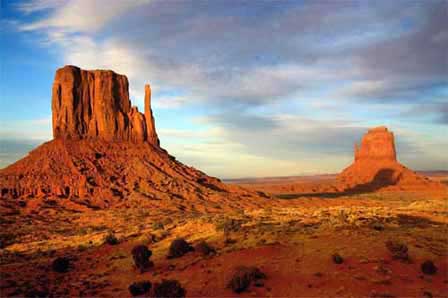
Monument Valley Navajo Tribal Park is one of the most recognizable landscapes in the American Southwest, with immense sandstone buttes, mesas and spires rising above the high desert along the Arizona-Utah border. The Navajo name for Monument Valley is Tsé Biiʼ Ndzisgaii, and the park lies entirely within the Navajo Nation.
Visitors can explore the famous landscape along the 17-mile unpaved Valley Drive, take a Navajo-guided tour into areas not open to general vehicle traffic, photograph landmarks such as the Mittens and Merrick Butte, and learn more about Diné culture and the living landscape that surrounds the park.
Monument Valley has also appeared in generations of movies, television programs and advertising, particularly classic Westerns directed by John Ford. Its film history is part of its worldwide recognition, but the valley is first and foremost a culturally significant Navajo landscape and an active tribal park.
- Monument Valley Quick Facts
- Things To Do
- Valley Drive
- Navajo Guided Tours
- How Monument Valley Was Formed
- History & Navajo Culture
- Weather & Best Time To Visit
- Location & Directions
- Lodging
- Visitor Tips
- FAQ
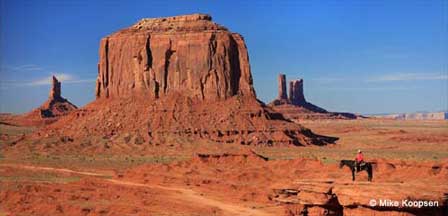
 Monument Valley Navajo Reservation. © Mike Koopsen
Monument Valley Navajo Tribal Park Quick Facts
- Navajo name: Tsé Biiʼ Ndzisgaii
- Location: Navajo Nation along the Arizona-Utah border
- Park size: Approximately 91,696 acres
- Elevation: Approximately 5,564 feet at the park area
- Scenic drive: 17-mile unpaved Valley Drive
- Landscape: Sandstone buttes, mesas, pinnacles and desert terrain
- Guided tours: Navajo-guided tours are available
- Major landmarks: East and West Mitten Buttes, Merrick Butte and John Ford Point
- National Park Pass: Not accepted
- Drones: Prohibited on Navajo Nation park lands
- Alcohol: Prohibited on the Navajo Nation
Things To Do At Monument Valley
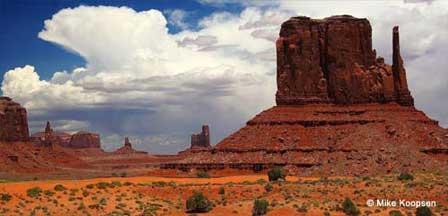
- Valley Drive: Follow the 17-mile unpaved scenic loop past many of Monument Valley's most famous formations.
- Navajo Guided Tours: Explore restricted areas and learn about the landscape from authorized Navajo guides.
- Photography: Photograph the Mittens, Merrick Butte, John Ford Point and changing desert light.
- Visitor Center: Stop for park information, cultural context and current road or weather conditions.
- Wildcat Trail: When open and permitted, hike the designated trail near West Mitten Butte.
- Native Arts & Crafts: Purchase jewelry, rugs and other handmade work directly from Navajo artists and vendors.
- Sunrise & Sunset: Watch changing light illuminate the buttes from overlooks and lodging areas.
- Film History: Visit landscapes made famous by John Ford Westerns and other movies.
Monument Valley 17-Mile Valley Drive
The Valley Drive is a 17-mile unpaved loop through the heart of Monument Valley Navajo Tribal Park. It passes several of the park's most recognizable viewpoints and sandstone formations and is the primary self-guided driving experience for visitors.
The road is natural dirt and can include rough surfaces, deep sand, washboard sections and changing conditions after storms. Navajo Nation Parks recommends using a vehicle suitable for rough terrain and advises visitors to check current vehicle restrictions before entering.
Visitors must remain on designated roads and public areas. Entering restricted or backcountry areas requires the appropriate Navajo Nation permit or an authorized Navajo guide.
Navajo Guided Tours Of Monument Valley
Authorized Navajo-guided tours provide access to portions of Monument Valley that visitors cannot enter independently. Guides also add cultural, historical and geological context that is difficult to gain from the Valley Drive alone.
Tour options vary and may include scenic drives, photography tours, cultural tours, sunrise or sunset trips and visits to backcountry formations. Navajo Nation Parks maintains a current list of approved Monument Valley tour operators, and guides may also be available near the lower parking area.
Respecting Navajo Land & Communities
Monument Valley is not simply a scenic attraction; it is part of the Navajo Nation and remains home to Diné families, livestock operations and culturally important places. Private homes, family areas, livestock and restricted roads should be treated as private property unless visitors are specifically invited or accompanied by an authorized guide.
Ask permission before photographing people or private homes, stay on designated routes and never remove rocks, plants, artifacts or other materials. Navajo Nation rules prohibit drones, rock climbing, unauthorized off-road travel and possession or consumption of alcohol within tribal park areas.
How Monument Valley Was Formed
The landscape of Monument Valley records hundreds of millions of years of sediment deposition, uplift and erosion on the Colorado Plateau. Layers of sandstone, shale and other sedimentary rocks accumulated when environments in this region included seas, coastal plains, rivers and deserts.
Later uplift raised the Colorado Plateau while leaving many of the rock layers comparatively horizontal. Wind, water, freezing and thawing gradually removed softer rock, leaving more resistant layers standing as mesas, buttes and pinnacles.
Some Monument Valley formations rise 400 to 1,000 feet above the surrounding desert floor. Continued erosion is still reshaping the cliffs and buttes today.
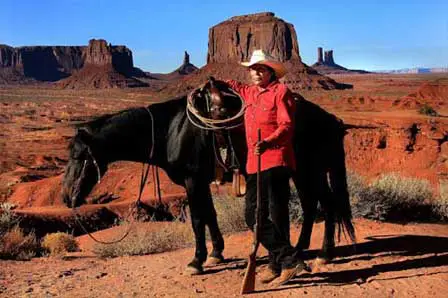 Navajo Cowboy at John Ford Point
History & Navajo Culture At Monument Valley
People have lived across the greater Colorado Plateau for thousands of years. Archaeological evidence documents early hunter-gatherer communities followed by Ancestral Puebloan farmers who established settlements throughout the region before many communities relocated during the late thirteenth century.
The Diné, or Navajo people, have deep historical, cultural and spiritual ties throughout this landscape. Monument Valley lies within the Navajo Nation and is regarded as a culturally significant place rather than simply a collection of scenic rock formations.
Today Navajo families continue to live and work throughout the Monument Valley region. Livestock, traditional arts, family land use and tourism are all part of the area's living culture. Visitors can support local communities by using Navajo-owned businesses, taking authorized Navajo-guided tours and purchasing authentic work directly from artists.
Monument Valley Weather & Best Time To Visit
- Spring: Mild daytime temperatures make April and May excellent for sightseeing and photography, although wind can be strong.
- Summer: Days are warm to hot, with intense sun and occasional thunderstorms. Carry plenty of drinking water and watch for changing road conditions.
- Fall: September and October generally bring cooler temperatures and excellent conditions for scenic driving and photography.
- Winter: Days can be cold and nights may fall well below freezing. Snow occasionally covers the desert floor and buttes, creating dramatic scenery.
Where Is Monument Valley?
Monument Valley Navajo Tribal Park straddles the Arizona-Utah border within the Navajo Nation. The park entrance and visitor facilities are reached from U.S. Highway 163 near the community of Monument Valley, Utah.
The park covers approximately 91,696 acres and sits at an elevation of roughly 5,500 feet. Kayenta, Arizona is one of the nearest communities with fuel, restaurants and additional lodging.
Monument Valley is approximately 150 miles from Flagstaff and is commonly combined with northern Arizona and southern Utah road trips that include Page, Lake Powell, Canyon de Chelly, Four Corners and other Navajo Nation destinations.
Monument Valley Hours & Entry Fees
Monument Valley Navajo Tribal Park operates on seasonal schedules, and the final entry time for the Valley Drive can be several hours before the visitor center closes. Hours may also change because of weather, road conditions or Navajo Nation holidays.
An entry fee is required, and the America the Beautiful National Parks pass is not accepted because Monument Valley is a Navajo Nation Tribal Park rather than a National Park Service site. Entry fees and permit costs were updated for 2026 and remain subject to change.
Check Navajo Nation Parks & Recreation for current operating hours, entrance fees, Valley Drive conditions and closures before traveling.
Where To Stay Near Monument Valley
The View Hotel and Cabins are located inside Monument Valley Navajo Tribal Park and provide direct views of the surrounding formations. The property also includes dining, a trading post and campground options.
Goulding's Lodge is located just outside the tribal park and has long served Monument Valley travelers with lodging, dining, tours and visitor services. The Navajo Nation acquired Goulding's Lodge in 2023, and the historic property celebrated its 100th anniversary in 2025.
Additional lodging, fuel and dining are available in Kayenta, Arizona and communities along U.S. Highway 163.
Monument Valley Visitor Tips
- Check current Navajo Nation park hours and Valley Drive conditions before leaving for the park.
- Carry plenty of drinking water because the high-desert climate is dry and exposed.
- Expect the 17-mile Valley Drive to be rough, dusty and sandy rather than a maintained paved road.
- Use an authorized Navajo guide if you want to explore areas beyond the public Valley Drive.
- Stay on designated roads, trails and visitor areas.
- Do not fly drones, climb monuments or remove rocks, plants or cultural materials.
- Ask permission before photographing Navajo residents or private property.
- Allow extra time during the May-through-September peak season because entry lines can become long.
- Plan sunrise and sunset photography carefully because Valley Drive last-entry times may occur well before sunset.
- Remember that Monument Valley follows Navajo Nation rules rather than National Park Service regulations.
More Monument Valley & Northern Arizona Information
- Monument Valley Photos By Mike Koopsen
- Northern Arizona Destinations
- Page Arizona Visitor Guide
- Lake Powell & Page Arizona
- Canyon de Chelly
- Navajo National Monument
- Painted Desert
- Flagstaff Arizona
Monument Valley Navajo Tribal Park FAQ
Where Is Monument Valley?
Monument Valley Navajo Tribal Park is located within the Navajo Nation along the Arizona-Utah border, with park access from U.S. Highway 163.
Is Monument Valley A National Park?
No. Monument Valley is a Navajo Nation Tribal Park managed by Navajo Nation Parks & Recreation rather than the National Park Service.
How Long Is The Monument Valley Scenic Drive?
The Valley Drive is approximately 17 miles long and follows an unpaved dirt road through the tribal park.
Do You Need A Guide At Monument Valley?
A guide is not required for the public Valley Drive when it is open, but visitors need an authorized Navajo guide or appropriate permit to enter restricted and backcountry areas.
Can Any Vehicle Drive The Monument Valley Loop?
The Valley Drive has rough terrain, deep sand and changing road conditions. Vehicle restrictions apply to certain vehicle types, so check current Navajo Nation guidance before entering.
Can You Fly A Drone At Monument Valley?
No. Drones are prohibited within Navajo Nation Tribal Park areas.
Can You Drink Alcohol At Monument Valley?
No. Possession and consumption of alcoholic beverages are prohibited on the Navajo Nation.
What Are The Most Famous Monument Valley Formations?
Some of the most recognizable formations include East Mitten Butte, West Mitten Butte, Merrick Butte and the landscapes surrounding John Ford Point.
Where Can You Stay At Monument Valley?
The View Hotel and Cabins are located inside Monument Valley Navajo Tribal Park. Goulding's Lodge and additional lodging are available nearby.
What Is The Best Time To Visit Monument Valley?
Spring and fall generally provide the most comfortable temperatures for sightseeing and photography. Summer is hotter and busier, while winter can bring cold temperatures and occasional snow.