

Arizona Botanical Gardens & Arboretums
Updated by AZ Leisure Staff Writers on
Arizona botanical gardens and arboretums showcase everything from towering saguaro cactus forests and colorful desert wildflowers to cool mountain forests filled with native trees and alpine plants. Whether you're looking for scenic walking trails, nature photography, bird watching, educational exhibits, or simply a peaceful place to relax outdoors, these gardens highlight the remarkable diversity of Arizona's landscapes. From Phoenix and Tucson to Flagstaff and Superior, visitors can explore some of the Southwest's finest collections of desert and mountain flora throughout the year.
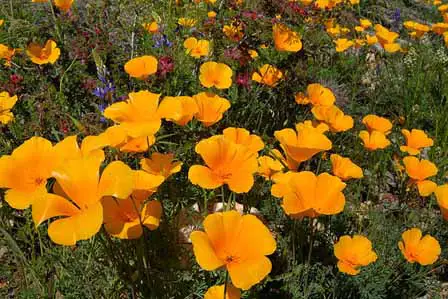
Arizona is a land of diverse landscapes from arid deserts to lushly green forests, high mountains, low-lying lakes, mountain streams and meadows of wildflowers. The flora is equally diverse and unique in varying growing regions under differing climatic conditions of temperature, rainfall and snowfall. Arizona features many botanical gardens and arboretums giving residents and vacationers a convenient way to see one-of-a-kind plant life wonders that grow in different Arizona regions.
Why Visit Botanical Gardens & Arboretums
Arizona botanical gardens and arboretums offer visitors a relaxing way to experience the state’s diverse plant life while learning about desert ecology, conservation, and regional habitats. Many gardens feature scenic walking trails, butterfly gardens, cactus collections, seasonal flower displays, photography opportunities, educational programs, bird watching, and family-friendly outdoor activities throughout the year.
Best Time To Go To Botanical Gardens & Arboretums
- Spring: Spring is one of the best times to visit Arizona botanical gardens because of blooming wildflowers, cactus flowers, and mild temperatures.
- Summer: Early morning visits during summer provide cooler temperatures and opportunities to see desert plants thriving during monsoon season.
- Fall: Comfortable weather and lighter crowds make fall ideal for photography, walking trails, and outdoor educational programs.
- Winter: Southern Arizona gardens remain active year-round and provide colorful desert scenery during mild winter weather.
Many of the venues offer special events that showcase seasonal flora, educational programs and even facilities for personal celebrations such as weddings. We invite you explore these magnificent places.
Tips For Visiting Arizona Botanical Gardens
- Visit early in the morning during summer for cooler temperatures.
- Wear comfortable walking shoes and bring water.
- Spring offers the greatest variety of blooming flowers.
- Check each garden's website for seasonal events and exhibits.
- Bring a camera, as many gardens feature excellent photography opportunities.
- Some gardens require advance reservations for special events.
What You'll See At Arizona Botanical Gardens
Every botanical garden offers something different depending on its location and elevation. Visitors may encounter giant saguaros, barrel cactus, agave, ocotillo, palo verde trees, desert wildflowers, hummingbirds, butterflies, shaded walking paths, riparian habitats, mountain forests, educational displays, art installations, seasonal flower gardens and native plant collections. Many locations also host plant sales, guided tours, photography workshops and conservation programs throughout the year.
Popular Botanical Gardens In Arizona
Arizona features several well-known botanical gardens and arboretums including Desert Botanical Garden in Phoenix, Boyce Thompson Arboretum near Superior, Tucson Botanical Gardens, Tohono Chul Park, and The Arboretum at Flagstaff. These destinations highlight desert plants, native trees, wildflowers, butterflies, and educational exhibits unique to Arizona’s diverse climates and elevations.
Northern Arizona
The Arboretum at Flagstaff
4001 Woody Mountain Road
Flagstaff, Arizona
(928) 774-1442
Greater Phoenix and Central Arizona
Boyce Thompson Arboretum
37615 US Highway 60
Superior, Arizona
(520) 689-2723

Desert Botanical Garden
1201 North Galvin Parkway
Phoenix, Arizona
(480) 941-1225
The Arboretum of Arizona State University
556 S Packard Dr
Tempe, AZ 85281
(480) 268-4165
Tucson and Southern Arizona

The Arizona Sonora Desert Museum
2021 North Kinney Road
Tucson, Arizona 85743
(520) 883-2702
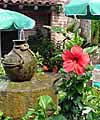
Tohono Chul Park
7366 North Paseo del Norte
Tucson, Arizona
(520) 742-6455
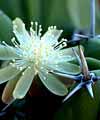
Tucson Botanical Gardens
2150 North Alvernon Way
Tucson, Arizona
(520) 326-9686
Arizona Desert Plants & Wildflowers
Visitors to Arizona botanical gardens and parks often see saguaros, barrel cactus, agave, prickly pear cactus, ocotillo, mesquite trees, palo verde trees, desert wildflowers, and rare native plant species adapted to Arizona’s dry climate and mountain regions.
Photography At Botanical Gardens
Arizona botanical gardens are popular with photographers because of their colorful cactus blooms, butterflies, desert landscapes, shaded garden paths, and dramatic mountain backdrops. Spring wildflower season is especially popular for landscape and macro photography.
Family Activities & Educational Programs
Many Arizona botanical gardens and arboretums offer educational programs, guided walks, seasonal events, bird watching opportunities, children’s exhibits, gardening workshops, and conservation programs designed for visitors of all ages.
FAQ
What are the best botanical gardens in Arizona?
Popular Arizona botanical gardens include Desert Botanical Garden, Boyce Thompson Arboretum, Tucson Botanical Gardens, Tohono Chul Park, and The Arboretum at Flagstaff.
When is the best time to visit Arizona botanical gardens?
Spring and fall are usually the best seasons because of mild temperatures and blooming flowers.
Are Arizona botanical gardens family friendly?
Yes, many gardens offer walking trails, educational exhibits, butterfly gardens, and seasonal family events.
Can you photograph plants and flowers at Arizona gardens?
Arizona botanical gardens are popular photography destinations featuring cactus blooms, wildflowers, butterflies, and desert scenery.
Do Arizona botanical gardens feature native desert plants?
Yes, most Arizona gardens highlight native desert plants including saguaros, agave, palo verde trees, and seasonal wildflowers.
Are botanical gardens open year-round in Arizona?
Many Arizona botanical gardens are open throughout the year, especially in Phoenix and Tucson where winter weather remains mild.
How long does it take to tour a botanical garden?
Most Arizona botanical gardens can be explored in one to three hours, depending on the size of the property and your interest in photography, hiking or educational exhibits.
Are dogs allowed in Arizona botanical gardens?
Policies vary by location. Service animals are generally permitted, while many gardens restrict pets except during special dog-friendly events.
Do Arizona botanical gardens charge admission?
Most major botanical gardens charge admission, although prices vary. Some smaller gardens and university arboretums offer free admission or free public access.
Can I visit Arizona botanical gardens year-round?
Yes. Most Arizona botanical gardens remain open throughout the year, although summer visitors should plan early morning visits to avoid the afternoon heat.
Which Arizona botanical garden is the largest?
Boyce Thompson Arboretum, near Superior, is Arizona's largest and oldest botanical garden, featuring hundreds of acres of desert and international plant collections.
Nearby Arizona Attractions
Many botanical gardens are located near popular Arizona attractions including hiking trails, scenic parks, bird watching areas, museums, nature centers and historic downtown districts, making it easy to combine multiple destinations into a full day of sightseeing.
Most Popular Things To Do In AZ
Additional Arizona Activities