Navajo National Monument Near Kayenta Arizona
Updated by AZ Leisure Staff Writers on
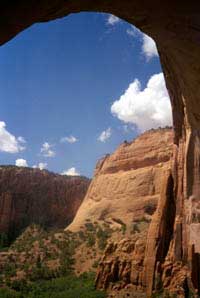 Navajo National Monument
Navajo National Monument protects remarkably preserved Ancestral Puebloan cliff dwellings and canyon landscapes within the Navajo Nation of northeastern Arizona. The monument is best known for Betatakin, Keet Seel and Inscription House, communities built within immense sandstone alcoves and last physically occupied around A.D. 1300.
The park is about 28 road miles from Kayenta: approximately 19 miles west on U.S. Highway 160 to Arizona Highway 564, followed by a 9-mile drive north to the visitor center. Navajo National Monument is free to enter and offers self-guided trails, seasonal ranger-led hikes, two free campgrounds and exhibits about the people who have lived in and remained connected with these canyons for centuries.
Hopi, Zuni, San Juan Southern Paiute and Navajo people all maintain cultural and ancestral connections with this landscape. Visitors should think of Betatakin, Keet Seel and Inscription House not simply as abandoned ruins, but as culturally significant places linking past and present communities.
- Navajo National Monument Quick Facts
- Cliff Dwellings
- Betatakin
- Keet Seel
- Self-Guided Trails
- Camping
- Hours & Visitor Center
- Directions
- Area Map
- Visitor Tips
- FAQ
Navajo National Monument Quick Facts
- Location: Navajo Nation in northeastern Arizona
- Nearest major community: Kayenta, Arizona
- Access: U.S. Highway 160 to Arizona Highway 564
- Distance from Highway 160: Approximately 9 miles
- Entrance fee: Free
- Park access: Open year-round, weather permitting
- Visitor center: Normally open daily from 9:00 AM to 5:00 PM
- Main cliff dwellings: Betatakin, Keet Seel and Inscription House
- Self-guided trails: Sandal, Aspen and Canyon View trails
- Camping: Two free campgrounds
- Time zone: Navajo Nation observes daylight saving time
Ancestral Puebloan Cliff Dwellings
Navajo National Monument was established in 1909 to protect outstanding cliff dwellings built within the Tsegi Canyon system. The three principal sites are Betatakin, Keet Seel and Inscription House.
The villages were built within large natural alcoves formed in Navajo Sandstone. Springs, canyon-bottom farmland and protected alcoves made settlement possible, while sandstone, wood and mud mortar were used to construct homes, storage rooms and ceremonial spaces.
Inscription House is closed to public visitation because of its remote location, fragile archaeological resources and concerns from local residents. Betatakin and Keet Seel may be visited only through authorized National Park Service programs.
Exploring Betatakin
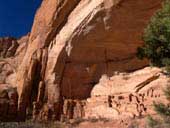 Betatakin
Betatakin, a Navajo name commonly translated as "ledge house," is a large Ancestral Puebloan cliff dwelling constructed within a massive sandstone alcove. National Park Service interpretation currently describes Betatakin as containing about 120 rooms.
Visitors cannot enter Betatakin independently. Ranger-led hikes are generally offered during the summer season from Memorial Day through Labor Day when staffing and trail conditions permit. Current routes are either approximately 3 miles or 5 miles round trip and involve about 700 feet of elevation loss and gain.
For visitors who do not want to undertake the strenuous ranger-led hike, the paved Sandal Trail provides an overlook of Betatakin from the canyon rim. This is the only self-guided location in the park from which a cliff dwelling can be viewed.
Exploring Keet Seel
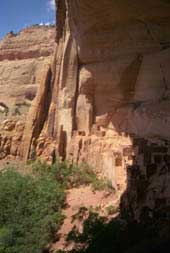 Keet Seel
Keet Seel, also known by the Hopi name Kawestima, is the largest Ancestral Puebloan structure in Arizona and one of the best-preserved cliff dwellings in the Southwest. Its remote location deep within the canyon has helped protect much of the village.
Visiting Keet Seel is a serious backcountry experience rather than a short day hike. Current National Park Service trips require a ranger-led, 17-mile round-trip overnight hike involving approximately 1,000 feet of elevation change, rocky switchbacks, sand, stream crossings and potentially difficult canyon conditions.
Keet Seel trips are offered only on limited seasonal dates when staff and conditions permit. Registration and a safety orientation are required, and group size is limited. Check the current National Park Service schedule before planning a trip specifically to Keet Seel.
Self-Guided Trails At Navajo National Monument
- Sandal Trail: Paved trail leading to the Betatakin overlook and the only self-guided viewpoint where a cliff dwelling can be seen.
- Aspen Trail: Approximately 0.8 mile round trip with a steep descent toward a relict Douglas fir and quaking aspen forest. Cliff dwellings are not visible from this trail.
- Canyon View Trail: Approximately 0.8 mile round trip along the canyon rim to the historic ranger station. The route is relatively level and provides broad canyon views.
Park Hours & Visitor Center
Navajo National Monument is open year-round, although winter storms can temporarily make the entrance road hazardous or impassable. The visitor center is normally open daily from 9:00 AM to 5:00 PM and is closed on Thanksgiving, Christmas and New Year's Day.
The visitor center includes an information desk, museum exhibits, auditorium and park store. Three self-guided trails and Sunset View Campground remain accessible even when the visitor center is closed, subject to weather and other temporary restrictions.
Remember that Navajo National Monument is within the Navajo Nation, which observes daylight saving time from March through November. During that period, park time is one hour ahead of Flagstaff, Page and most of Arizona.
Directions To Navajo National Monument
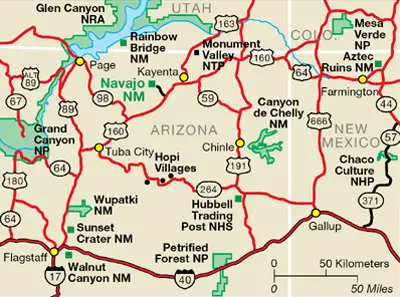
Navajo National Monument is reached from U.S. Highway 160 by turning north onto Arizona Highway 564. The AZ 564 junction is approximately 19 miles west of Kayenta, and the visitor center is another 9 miles north at the end of the paved highway.
From Flagstaff or Page, follow the appropriate highways toward U.S. 160, then use AZ 564 for the final approach. Do not follow GPS shortcuts onto unpaved tribal roads. The National Park Service specifically warns against approaching from the west on Indian Route 221 because the dirt road can become impassable and cellular service is unreliable.
Navajo National Monument Area Map
Camping At Navajo National Monument
Navajo National Monument currently has two free National Park Service campgrounds available on a first-come, first-served basis. Reservations are not required for individual campsites.
Sunset View Campground is generally open year-round and has 31 sites. It accommodates tents and RVs up to 28 feet, but there are no hookups or dump stations. Potable water is normally available outside the restroom building except during winter.
Canyon View Campground has 14 individual sites plus group camping and is generally open during the warmer season but closed in winter. It is primarily suited to tent camping and has no water.
Open wood fires are prohibited in the park, and additional fire restrictions may apply during dry weather. Commercial lodging, restaurants and additional traveler services are available in Kayenta and other surrounding communities.
History, Culture & Respectful Visiting
Navajo National Monument preserves archaeological resources, but the cliff dwellings are also part of living cultural traditions. Hopi, Zuni, San Juan Southern Paiute and Navajo people maintain connections with the canyons, villages and surrounding landscape.
Visitors should stay on designated trails, never enter closed archaeological areas, avoid touching structures or artifacts and leave pottery fragments, stone tools and other cultural materials exactly where they are found.
The visitor center provides exhibits about Ancestral Puebloan life as well as the continuing cultural relationships between the monument and present-day tribal communities.
Navajo National Monument Visitor Tips
- Check current ranger-led hike schedules before traveling specifically for Betatakin or Keet Seel.
- Bring plenty of water for all hikes, especially during warm weather.
- Wear sturdy hiking shoes for unpaved canyon trails.
- Do not underestimate the elevation change and physical difficulty of guided canyon hikes.
- Stay on paved roads when driving to the monument and ignore GPS shortcuts onto tribal dirt roads.
- Remember that cellular service can be unreliable throughout the Navajo Nation.
- Check the park's local time because the Navajo Nation observes daylight saving time.
- Use extra caution during winter because snow and ice can affect roads and trails.
- Respect all closures and never enter archaeological sites without authorization.
- Allow time for the visitor center and Sandal Trail even if you are not taking a guided hike.
Official Navajo National Monument Information
Navajo National Monument - National Park Service
P.O. Box 7717
Shonto, AZ 86054
928-672-2700
Navajo National Monument FAQ
Where Is Navajo National Monument?
Navajo National Monument is located within the Navajo Nation in northeastern Arizona. The visitor center is reached by driving approximately 9 miles north on Arizona Highway 564 from U.S. Highway 160.
How Far Is Navajo National Monument From Kayenta?
The AZ 564 junction is approximately 19 miles west of Kayenta on U.S. Highway 160, followed by a 9-mile drive north to the monument.
How Much Does Navajo National Monument Cost?
There is currently no entrance fee for Navajo National Monument, and camping in the park's designated campgrounds is also free.
What Cliff Dwellings Are At Navajo National Monument?
The monument protects Betatakin, Keet Seel and Inscription House, three major Ancestral Puebloan cliff-dwelling sites.
Can You Visit Betatakin?
Yes, but visits into the canyon require a ranger-led hike when tours are offered. Visitors can also view Betatakin from the self-guided Sandal Trail overlook.
Can You Visit Keet Seel?
Keet Seel can be visited only on special seasonal ranger-led overnight trips when offered. The current route is approximately 17 miles round trip and is very strenuous.
Can You Visit Inscription House?
No. Inscription House is closed to public visitation because of its remote location, fragile archaeological resources and local concerns about trespassing and vandalism.
Can You Camp At Navajo National Monument?
Yes. Sunset View and Canyon View campgrounds provide free first-come, first-served camping. Canyon View is generally closed during winter.
Is Navajo National Monument Open Year-Round?
Yes. The park is generally open year-round, although snow and severe winter weather can temporarily affect roads, trails and visitor-center operations.
Does Navajo National Monument Use Arizona Time?
The monument is within the Navajo Nation, which observes daylight saving time. From March through November, local park time is normally one hour ahead of Flagstaff, Page and most of Arizona.