Tucson Weather, Climate & Average Temperatures
Updated by AZ Leisure Staff Writers on
Tucson weather is shaped by its Sonoran Desert location, with abundant sunshine, mild winters, very hot summers and a summer monsoon season that can bring dramatic thunderstorms and localized heavy rain. Use the current weather forecast, monthly temperature and rainfall information, and seasonal travel tips below to help plan a Tucson vacation, outdoor activity or day trip.
- Current Tucson Weather
- Average Temperatures & Rainfall
- Tucson Weather By Season
- Monsoon Season
- Best Time To Visit
- Sunrise & Sunset
- Weather Tips
- FAQ
Current Tucson Weather & Forecast
Average Tucson Temperatures & Rainfall
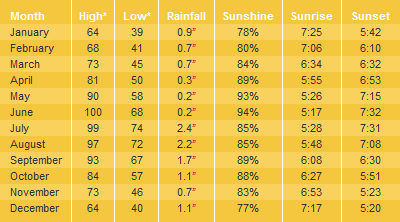
The Tucson climate chart below shows average monthly high and low temperatures, rainfall, and approximate sunrise and sunset times. Tucson's climate varies considerably by season: winters are generally mild, late spring becomes increasingly warm, summers are very hot, and July through September brings the greatest chance of monsoon thunderstorms and heavier rainfall.
Tucson Weather By Season
Winter: December Through February
Winter is one of Tucson's most comfortable seasons, with mild daytime temperatures and much cooler nights. Layers are useful because temperatures can change considerably between afternoon and evening. Winter weather is well suited to sightseeing, hiking, golf and other outdoor activities.
Spring: March Through May
Spring begins mild and becomes steadily warmer. March and April are popular months for outdoor recreation, while May often brings much hotter afternoons and increasingly summer-like conditions.
Summer: June Through September
Summer in Tucson is very hot, with daytime highs commonly reaching or exceeding 100°F. Outdoor activities are generally most comfortable very early in the morning or after sunset. July through September also brings increased humidity and the possibility of monsoon thunderstorms.
Fall: October Through November
Fall brings gradually cooler temperatures and generally comfortable conditions for sightseeing and outdoor recreation. October can still be quite warm, while November typically brings much milder days and cool nights.
Tucson Monsoon Season
Arizona's official monsoon season runs from June 15 through September 30, although Tucson's most frequent summer thunderstorms often occur from mid-July through mid-September. Storms can develop quickly and may produce lightning, strong winds, blowing dust, brief heavy rain and localized flash flooding.
Visitors should check the forecast before hiking or driving during monsoon season and avoid entering flooded roads or washes. Because rainfall can vary dramatically across the Tucson metro area, one part of town may receive heavy rain while another remains relatively dry.
Best Time To Visit Tucson For Comfortable Weather
Fall, winter and spring generally provide the most comfortable Tucson weather for sightseeing, hiking, golf and other outdoor activities. November through March offers especially mild daytime temperatures, while March and April are popular for warmer spring conditions.
Summer visitors can still enjoy Tucson, but outdoor activities should generally be planned for early morning or evening. Higher-elevation destinations such as Mount Lemmon can also provide substantially cooler conditions than the Tucson valley during warm weather.
Tucson Sunrise & Sunset Times
Daylight hours vary throughout the year, with longer evenings during late spring and summer and shorter days during winter. The monthly climate chart above provides approximate Tucson sunrise and sunset times that can help with planning hikes, scenic drives, photography and other outdoor activities.
Tucson Weather Tips For Visitors
- Carry water year-round: Tucson's dry desert climate can cause dehydration faster than many visitors expect.
- Use sun protection: Wear sunscreen, sunglasses and a hat during daytime outdoor activities.
- Plan summer activities early: Hiking and sightseeing are generally more comfortable around sunrise or later in the evening.
- Dress in layers during cooler months: Winter and spring days can be mild while mornings and nights are considerably cooler.
- Watch for monsoon storms: Summer thunderstorms can produce lightning, strong winds and flash flooding with little warning.
- Check elevation: Mountain destinations such as Mount Lemmon can be much cooler than Tucson.
- Check current conditions: Weather forecasts are especially important before hiking, driving into mountain areas or planning summer outdoor recreation.
Tucson Weather FAQ
What is the weather like in Tucson Arizona?
Tucson has a Sonoran Desert climate with abundant sunshine, mild winters, hot summers and a summer monsoon season that brings thunderstorms and seasonal rainfall.
What is the hottest month in Tucson?
June has the highest normal average daytime temperature, with a 1991–2020 normal high of about 101°F. July remains similarly hot but usually receives more monsoon rainfall.
What is the coldest month in Tucson?
January is typically the coolest month, with normal average highs in the mid-60s and average lows around 41°F.
When is Tucson's monsoon season?
Arizona's official monsoon season runs from June 15 through September 30. Tucson's most frequent monsoon thunderstorms often occur from mid-July through mid-September.
Does Tucson get much rain?
Tucson has a relatively dry desert climate, but rainfall occurs during both the summer monsoon and cooler parts of the year. July and August are among the wettest months based on long-term climate normals.
Does Tucson get cold at night?
Yes. Tucson often experiences a noticeable difference between daytime and nighttime temperatures, especially during fall, winter and spring. Winter nights can become quite cool.
What is the best weather season to visit Tucson?
Fall through spring generally offers the most comfortable weather for outdoor sightseeing, hiking and recreation. Summer visitors should plan strenuous outdoor activities for early morning or evening.
Does it snow in Tucson?
Snowfall in the Tucson valley is uncommon and usually light when it occurs, while nearby higher elevations such as the Santa Catalina Mountains can receive significant winter snow.
Related Tucson Interest
Tucson Arizona
Colossal Cave Arizona
Kartchner Caverns
Kartchner Caverns Formation-Creation
Saguaro National Park
San Xavier Del Bac Mission
Tucson Area Map
Tucson Bed & Breakfasts
Tucson Jeep & Hummer Tours
Tucson Pictures
Southern Arizona Destinations