Tucson Arizona Vacation Guide
Updated by AZ Leisure Staff Writers on

Discover Tucson Arizona
Tucson, Arizona combines Sonoran Desert scenery, mountain recreation, historic neighborhoods, museums, resorts, golf and Southwestern culture in one of Southern Arizona's most distinctive destinations. Surrounded by several mountain ranges and bordered by both districts of Saguaro National Park, Tucson offers easy access to hiking, scenic drives, wildlife viewing, historic sites and year-round outdoor recreation. This Tucson vacation guide highlights the best things to do, places to visit, nearby attractions and travel-planning information for your Southern Arizona getaway.
- Things To Do
- Mount Lemmon
- History & Culture
- Golf & Resorts
- Nearby Attractions
- Best Time To Visit
- FAQ

Things To Do In Tucson Arizona
- Explore Saguaro National Park: Visit the east and west districts for desert scenery, hiking trails, wildlife and giant saguaro forests.
- Visit The Arizona-Sonora Desert Museum: Discover Sonoran Desert wildlife, plants and natural history in an outdoor museum setting.
- Drive Mount Lemmon: Follow the Catalina Highway from desert landscapes into high-elevation forests and mountain recreation.
- Tour Mission San Xavier del Bac: Visit one of Southern Arizona's most important historic and architectural landmarks.
- Explore Downtown Tucson: Discover restaurants, museums, historic districts, arts and entertainment.
- Play Golf: Tucson offers numerous desert golf courses, resorts and golf vacation opportunities.
- Hike And Bike: Explore desert trails, mountain routes and scenic recreation areas around the Tucson Basin.
- Take A Southern Arizona Day Trip: Visit Tombstone, Bisbee, Kartchner Caverns and other regional attractions.
Mount Lemmon & The Santa Catalina Mountains
For a dramatic change of scenery, drive the Catalina Highway toward Mount Lemmon in the Santa Catalina Mountains. The scenic route climbs from the Sonoran Desert through several ecological zones before reaching cool pine and mixed-conifer forests near the summit. At 9,157 feet, Mount Lemmon offers hiking, scenic overlooks, cycling, rock climbing and cooler summer temperatures, while winter snowfall can support skiing and other seasonal recreation.
Tucson History, Culture & Historic Attractions
 © Susan E. Degginger
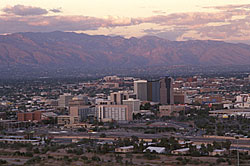
Tucson's cultural attractions reflect thousands of years of Indigenous history, Spanish colonial influence, Mexican heritage and the growth of the American Southwest. Visitors can explore museums, performing arts, historic neighborhoods and landmarks throughout the city. Nearby Mission San Xavier del Bac remains an important religious, cultural and architectural landmark serving the Tohono O'odham community, while Tombstone Arizona, Colossal Cave and other Southern Arizona destinations make excellent day trips.
Day Trips & Attractions Near Tucson
Tucson is well positioned for exploring Southern Arizona. Popular day-trip destinations include Tombstone, Kartchner Caverns, Colossal Cave, Mission San Xavier del Bac and the historic communities of southern Cochise County. Travelers interested in the Arizona-Mexico border region can also visit Nogales, Arizona, with additional international travel options available across the border in Nogales, Sonora.
Tucson Golf, Resorts & Places To Stay
Tucson is well known for desert golf, destination resorts, spas and a wide range of accommodations. Visitors can choose from full-service resorts, golf properties, boutique hotels, historic lodging and budget-friendly accommodations throughout the Tucson area. Many resorts combine pools, dining, spa services and convenient access to hiking, golf and Sonoran Desert scenery.
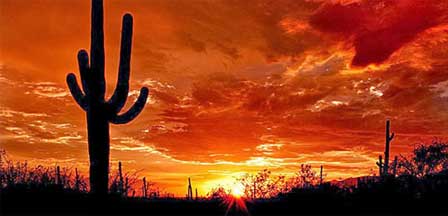
With more than 340 days of sunshine in a typical year, Tucson offers abundant opportunities for golf and outdoor recreation. Desert golf courses operate throughout the region, while hiking, cycling and pickleball provide additional ways to enjoy the area's generally dry climate. Summer afternoons can exceed 100°F, so outdoor activities are best planned for early morning or evening during the hottest months.
Tucson is located within one of the longest continually inhabited regions in the United States. Archaeological evidence shows that people have lived in the Tucson Basin for thousands of years, particularly along the Santa Cruz River. The region remains closely tied to the history and living cultures of the Tohono O'odham and Pascua Yaqui peoples. Tucson later became a Spanish frontier settlement, then part of Mexico and eventually the United States, creating the layered cultural history visible throughout the city today.
Best Time To Visit Tucson Arizona
Late fall through spring generally offers the most comfortable weather for sightseeing, hiking, golf and other outdoor activities. Winter days are often mild, although nights can be cold. Spring brings desert blooms, while fall offers cooler temperatures after the summer heat. Summer visitors should expect daytime temperatures that frequently exceed 100°F and should schedule strenuous outdoor activities for early morning or after sunset.
Whether you come for Sonoran Desert scenery, outdoor recreation, golf, historic sites, food, museums or a relaxing resort getaway, Tucson offers a distinctive mix of city attractions and easy access to some of Southern Arizona's most memorable landscapes.
Tucson Arizona Vacation FAQ
What is Tucson Arizona known for?
Tucson is known for Sonoran Desert scenery, giant saguaro cacti, Saguaro National Park, Mount Lemmon, Southwestern history, golf resorts, museums, Mexican and regional cuisine, and year-round outdoor recreation.
What are the best things to do in Tucson?
Popular activities include visiting Saguaro National Park, the Arizona-Sonora Desert Museum, Mount Lemmon, Mission San Xavier del Bac, downtown Tucson, museums, golf courses and hiking trails.
When is the best time to visit Tucson?
Late fall through spring generally provides the most comfortable temperatures for sightseeing, hiking and golf. Summer is much hotter and outdoor activities are best scheduled for early morning or evening.
How many days of sunshine does Tucson get?
Tucson receives more than 340 days of sunshine in a typical year, although the summer monsoon season brings periodic thunderstorms and heavy rainfall.
Is Saguaro National Park near Tucson?
Yes. Saguaro National Park surrounds Tucson in two districts, with the Rincon Mountain District east of the city and the Tucson Mountain District to the west.
How far is Mount Lemmon from Tucson?
Mount Lemmon is reached from Tucson by the Catalina Highway. The scenic drive climbs approximately 27 miles through changing desert and mountain environments toward the upper Santa Catalina Mountains.
Does Tucson get snow?
Snow is uncommon on the Tucson valley floor, but higher elevations in the surrounding mountains regularly receive winter snow. Mount Lemmon can support seasonal skiing and winter recreation.
What are good day trips from Tucson?
Popular day trips include Tombstone, Kartchner Caverns, Colossal Cave, Mission San Xavier del Bac, Bisbee and other Southern Arizona attractions.
Related Tucson Interest
Tucson Arizona
Colossal Cave Arizona
Kartchner Caverns
Kartchner Caverns Formation-Creation
Saguaro National Park
San Xavier Del Bac Mission
Tucson Area Map
Tucson Arizona
Tucson Bed & Breakfasts
Tucson Jeep & Hummer Tours
Tucson Pictures
Tucson Weather Info
Southern Arizona Destinations