Petrified Forest & Painted Desert Arizona Photo Gallery
Updated by AZ Leisure Staff Writers on
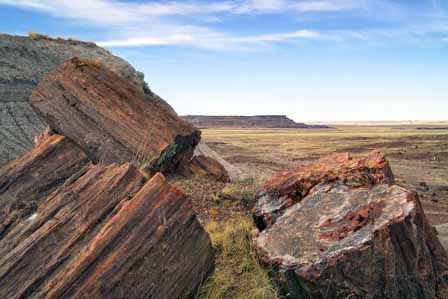
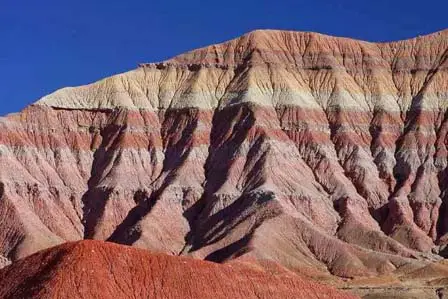
Explore photographs of Petrified Forest National Park and the Painted Desert in northeastern Arizona. This gallery highlights colorful badlands, petrified wood, Blue Mesa, archaeological sites, petroglyphs, historic Route 66 and the expansive high-desert scenery protected within the national park.
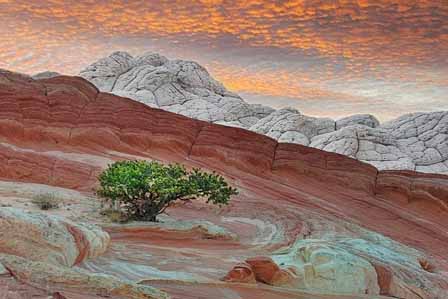
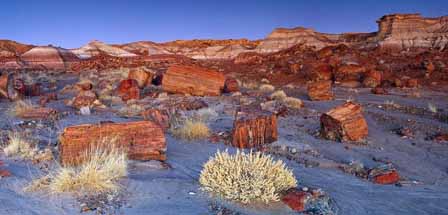
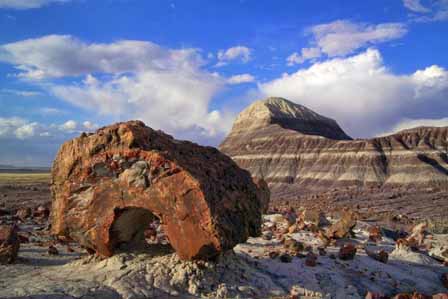
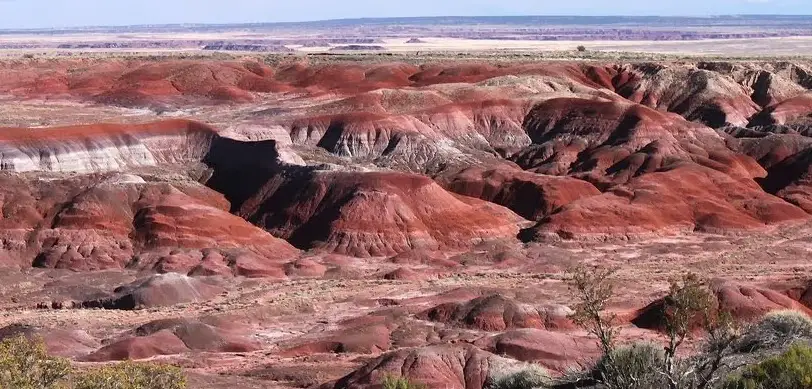
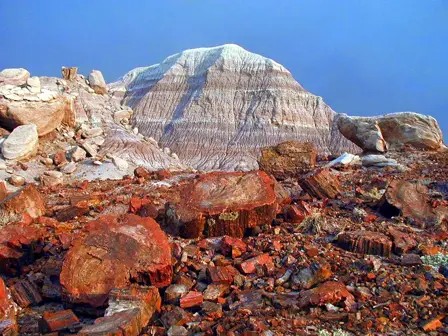
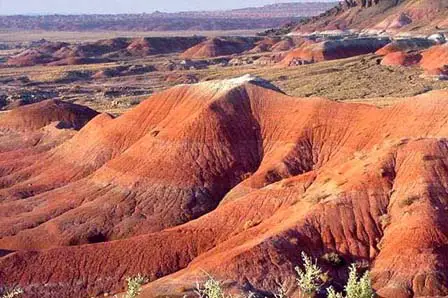
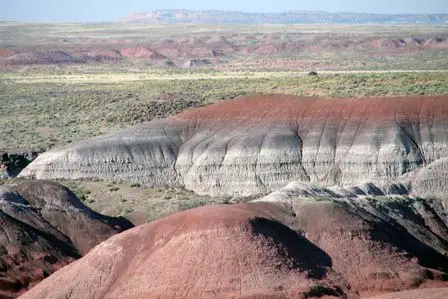
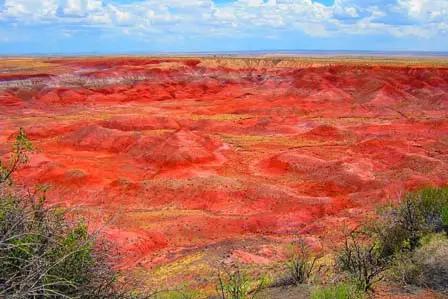
Changing sunlight, dramatic skies and layers of red, purple, blue, gray and tan sediment make the Painted Desert especially photogenic. Close-up views of mineralized wood reveal a different kind of color, with quartz and trace minerals preserving trees that lived more than 200 million years ago.
- Photo Gallery Quick Facts
- Petrified Forest & Painted Desert Photos
- What You'll See
- Best Times For Photography
- Route 66 & Cultural Photos
- Photography & Visitor Tips
- FAQ
Petrified Forest Photo Gallery Quick Facts
- Location: Northeastern Arizona east of Holbrook
- Primary destination: Petrified Forest National Park
- Major landscape: Painted Desert
- Geologic setting: Late Triassic Chinle Formation
- Petrified wood: More than 200 million years old
- Popular photo area: Blue Mesa
- Cultural subjects: Petroglyphs and ancestral Pueblo sites
- Historic subject: Route 66 alignment and automobile exhibit
- Best light: Early and late daylight often enhances badland colors
- Gallery: 16 Petrified Forest and Painted Desert photographs
Petrified Forest & Painted Desert Photos
What You'll See In The Photo Gallery
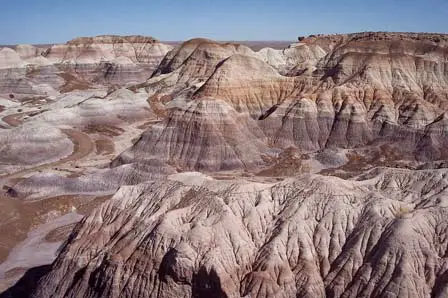
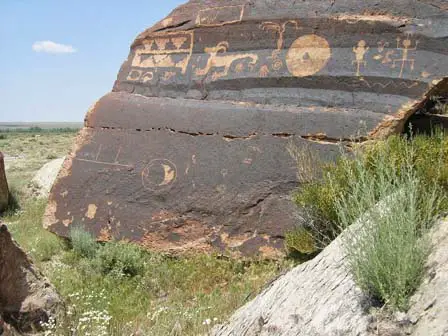
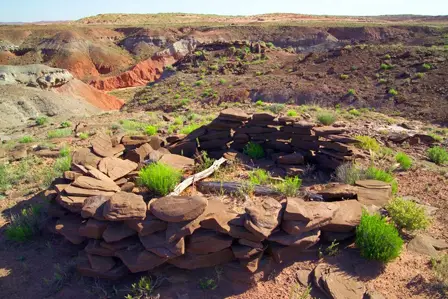
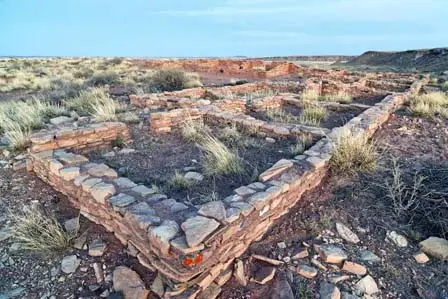
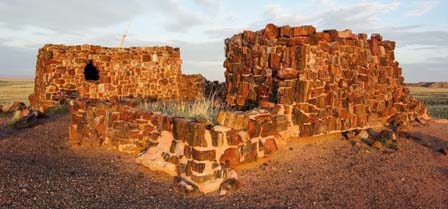
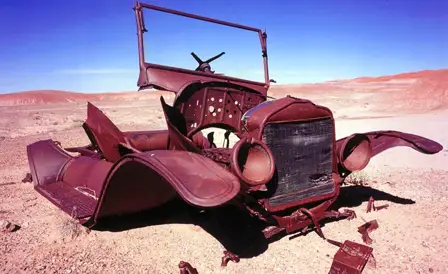
The photographs on this page show several of the landscapes and resources that make Petrified Forest National Park unusual. Subjects include the colorful badlands of the Painted Desert, Blue Mesa formations, petrified wood, archaeological sites, petroglyphs, scenic park roads and historic Route 66.
The park contains far more than petrified logs. Its protected landscape includes grasslands, badlands, fossils, ancestral Pueblo sites and an historic Route 66 alignment.
Best Times For Petrified Forest Photography
- Morning: Low-angle light can reveal texture in petrified wood and layered badlands.
- Late afternoon: Warmer light can intensify reds, oranges and shadows across the Painted Desert.
- Summer: Monsoon clouds can create dramatic skies, but watch for lightning and rapidly changing weather.
- Fall: Clearer skies and comfortable temperatures can make landscape photography especially enjoyable.
- Winter: Occasional snow creates unusual contrasts against colorful desert formations.
Route 66, Petroglyphs & Cultural Photography
Petrified Forest National Park protects archaeological and historic resources as well as geology. Photo opportunities include ancestral Pueblo structures, petroglyphs, Painted Desert Inn and remnants of historic Route 66.
The old Route 66 alignment is marked by the historic roadbed, telephone poles and a Studebaker automobile exhibit. When photographing petroglyphs and archaeological sites, remain on permitted paths and never touch, trace, rub or alter rock art or other cultural resources.
The scenery preserved here records more than 200 million years of geologic change. Ancient river deposits, volcanic ash, mineralized trees and continuing erosion created today's colorful badlands and exposed the petrified wood and fossils that make this landscape internationally significant.
Petrified Forest Photography & Visitor Tips
- Allow time for both wide landscapes and close-up petrified wood photographs.
- Photograph early or late in the day when lower-angle light can enhance landform texture.
- Carry water and sun protection because shade is limited.
- Watch weather conditions when photographing summer thunderstorms.
- Never move petrified wood to improve a photograph.
- Do not touch, trace or make rubbings of petroglyphs.
- Stay on established trails where required and protect fragile soils.
- Use designated pullouts rather than stopping along the park road.
- Allow extra time at Blue Mesa and Painted Desert overlooks.
- Check current park hours so you are clear of gated areas before closing.
Petrified Forest & Painted Desert Photos FAQ
Where Is The Painted Desert?
The Painted Desert extends across northeastern Arizona, and a large portion of its colorful badlands is protected within Petrified Forest National Park.
Is The Painted Desert Part Of Petrified Forest National Park?
Yes. The northern portion of Petrified Forest National Park includes extensive Painted Desert landscapes and scenic overlooks.
What Makes The Painted Desert So Colorful?
Different sedimentary layers and minerals in the Chinle Formation create the reds, purples, blues, grays and other colors visible throughout the badlands.
Why Is Petrified Wood So Colorful?
The petrified wood is largely quartz, with mineral impurities such as iron, carbon and manganese contributing different colors.
Where Is Blue Mesa?
Blue Mesa is inside Petrified Forest National Park and is known for distinctive blue, purple and gray badlands and a scenic loop road and trail.
Can You Photograph Petroglyphs At Petrified Forest?
Yes. Visitors may photograph petroglyphs from appropriate viewing areas, but should never touch, trace, rub or alter the rock art.
Does Route 66 Pass Through Petrified Forest?
Historic Route 66 once crossed the park, and remnants of the old roadbed, telephone poles and a historic automobile exhibit mark the alignment today.
What Is The Best Time To Photograph The Painted Desert?
Morning and late-afternoon light often provides stronger shadows and richer-looking color, while dramatic clouds can create additional interest during summer weather.
Can You Take Petrified Wood Home?
No. Removing petrified wood or other natural and cultural resources from Petrified Forest National Park is prohibited.
How Many Pictures Are In This Gallery?
This Arizona Leisure gallery contains 16 photographs of Petrified Forest National Park and Painted Desert scenery, geology and cultural resources.
More Petrified Forest & Painted Desert Information
- Petrified Forest National Park Visitor Guide
- Painted Desert Arizona
- Magic In The Painted Desert
- Ancient People Of The Petrified Forest
- Petrified Forest Map & Directions
- Historic Route 66 In Arizona
- Northern Arizona Destinations
- Flagstaff Arizona