S'edav Va'aki Museum In Phoenix Arizona
Updated by AZ Leisure Staff Writers on
S'edav Va'aki Museum, formerly Pueblo Grande Museum and Archaeological Park, preserves a 1,500-year-old ancestral village site in Phoenix, Arizona. Located beside Phoenix Sky Harbor International Airport, this National Historic Landmark features a large va'aki, or platform mound, a ballcourt, ancient irrigation canals, replica dwellings, museum exhibits and outdoor interpretive trails.
The site was settled around A.D. 500 and was occupied for more than 1,000 years by the Ancestral Sonoran Desert People, archaeologically referred to as the Hohokam. Their descendants include the Akimel O'Odham, who continue to live in the Phoenix area today. The museum interprets this history in collaboration with Indigenous communities while preserving one of Phoenix's most important archaeological sites.
- About S'edav Va'aki
- Why The Museum Name Changed
- Archaeological Site & Trails
- History Of The Village
- Visitor Information
- Hours & Admission
- Best Time To Visit
- Nearby Attractions
- FAQ
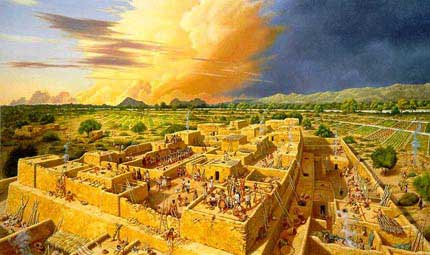 Artist's rendition of the S'edav Va'aki platform mound, by Michael Hampshire
Why Visit S'edav Va'aki Museum?
S'edav Va'aki combines an indoor museum with an archaeological site visitors can explore outdoors. The museum provides an unusually direct look at how Ancestral Sonoran Desert communities built large villages, engineered extensive irrigation systems and adapted agriculture to the Sonoran Desert.
- See one of the largest surviving va'aki, or platform mounds, in the Salt River Valley.
- Walk through a preserved ancestral village site dating back approximately 1,500 years.
- View a prehistoric ballcourt and centuries-old irrigation canals.
- Explore full-size replicas of ancestral homes.
- Learn about agriculture, water engineering and daily life in the Salt River Valley.
- See archaeological artifacts and changing museum exhibits.
- Learn about the continuing cultural connections between the site and today's O'Odham communities.
Why Pueblo Grande Museum Became S'edav Va'aki Museum
On March 23, 2023, the City of Phoenix changed the name of Pueblo Grande Museum and Archaeological Park to S'edav Va'aki Museum. The O'Odham name was selected in consultation with tribal partners whose ancestors lived at the site.
S'edav means "Central," referring to the village's central position within the Salt River Valley and its canal system. Va'aki means "Ceremonial House" and refers to the large earthen structure archaeologists commonly call a platform mound.
The former name, Pueblo Grande Museum, remains widely recognized and may still appear in older maps, books and travel guides.
S'edav Va'aki Archaeological Site & Outdoor Trails
The museum's outdoor trails pass through the preserved ancestral village site and provide views of the va'aki, ballcourt, irrigation canals, replica adobe structures and demonstration garden. The main Interpretive Mound Trail is approximately two-thirds of a mile long.
The va'aki visible today was enlarged several times during the site's Classic Period and eventually became approximately the size of a modern football field. Archaeologists interpret the structure as an important ceremonial and community feature.
A second outdoor trail focuses on water and the extensive irrigation system that allowed communities to farm the Salt River Valley. Visitors should remain on designated trails and avoid touching archaeological features.
A 1,500-Year-Old Ancestral Village
The village at S'edav Va'aki appears to have been settled around A.D. 500 and developed into a substantial community connected to an extensive system of irrigation canals. Archaeologists traditionally referred to these ancestral communities as the Hohokam culture; the museum increasingly uses terminology that recognizes their relationship with contemporary O'Odham communities.
By approximately A.D. 750, the settlement included homes, cemeteries, refuse areas, irrigation works and possibly a ballcourt. During later centuries, the village expanded and included adobe compounds and the large va'aki that remains one of the site's most visible archaeological features.
After A.D. 1400 the population declined and communities reorganized and relocated. Descendant Akimel O'Odham communities continue to live in the region today, making S'edav Va'aki part of an ongoing cultural history rather than the remains of a disappeared people.
Preserving The Archaeological Site
Preservation of the archaeological site began during the early 20th century as Phoenix expanded around it. The City of Phoenix has managed the museum and archaeological site since 1929, making S'edav Va'aki an important part of the city's long-term archaeological preservation efforts.
Today the museum is both a National Historic Landmark and the official archaeological repository for the City of Phoenix. Its collections include archaeological materials, research records, photographs, archives and Native American cultural materials from sites throughout the Phoenix metropolitan area.
Approximate Distance To S'edav Va'aki Museum
- Downtown Phoenix: About 5 miles.
- Old Town Scottsdale: About 10 to 12 miles.
- Central Mesa: About 15 miles.
- Tucson: About 115 miles.
- Flagstaff: About 145 miles.
- Sedona: About 125 miles.
Driving time varies significantly with traffic, road conditions and starting location.
S'edav Va'aki Museum GPS Coordinates
Latitude: 33.4547
Longitude: -111.9838
S'edav Va'aki Museum Map
S'edav Va'aki Museum Visitor Information
S'edav Va'aki Museum
4619 E. Washington Street
Phoenix, AZ 85034
602-495-0901
The museum is located at the southeast corner of 44th Street and Washington Street beside Phoenix Sky Harbor International Airport. Free parking is available, and the museum can also be reached by light rail and PHX Sky Train connections.
Allow approximately 1.5 to 2 hours for the museum exhibits and archaeological trails, with additional time if attending a special program or event.
Hours & Admission
S'edav Va'aki Museum uses different regular and summer schedules. Hours, admission prices and holiday closures can change, so verify current information on the official City of Phoenix museum website before traveling.
- Summer: Reduced hours are used during July and August because of extreme Phoenix heat.
- Regular season: Longer hours operate from September through June, including Thursday evening hours.
- Admission: Separate adult, senior, student and youth rates apply; children under age six are currently admitted free.
- Parking: Free visitor parking is available.
- Accessibility: The museum offers ADA-accessible facilities, wheelchairs and accessible outdoor trails.
- Service animals: Service animals are permitted; regular pets are not allowed.
Check current S'edav Va'aki Museum hours and admission.
Best Time To Visit S'edav Va'aki Museum
- Fall: Cooler temperatures make the archaeological trails much more comfortable.
- Winter: One of the best seasons for combining indoor exhibits with the outdoor village site.
- Spring: Mild weather generally provides excellent conditions for walking the interpretive trails.
- Summer: Visit early in the day, bring water and sun protection, and check reduced summer operating hours before arriving.
Visiting S'edav Va'aki Museum With Children
S'edav Va'aki can work especially well for families interested in archaeology, Arizona history and desert cultures. Children can explore outdoor archaeological features, replica houses, irrigation canals, hands-on museum activities and interpretive trails while learning how ancestral communities lived in the Salt River Valley.
Because much of the experience is outdoors, families visiting during warmer months should bring water, sun protection and appropriate footwear.
Attractions Near S'edav Va'aki Museum
- Papago Park: Desert trails, sandstone formations and scenic recreation close to the museum.
- Desert Botanical Garden: Sonoran Desert plants, walking trails and seasonal exhibits.
- Phoenix Zoo: Major family attraction within Papago Park.
- Tempe Town Lake: Waterfront walking, paddling and recreation.
- Greater Phoenix Attractions: Museums, parks, sports venues and other things to do throughout the Valley.
S'edav Va'aki Museum FAQ
What Is S'edav Va'aki Museum?
S'edav Va'aki Museum is a City of Phoenix archaeological museum located on a 1,500-year-old ancestral village site. Visitors can see a platform mound, ballcourt, ancient irrigation canals, replica dwellings, museum exhibits and outdoor trails.
Is S'edav Va'aki Museum The Same As Pueblo Grande Museum?
Yes. Pueblo Grande Museum and Archaeological Park was officially renamed S'edav Va'aki Museum in March 2023.
What Does S'edav Va'aki Mean?
S'edav means "Central," referring to the village's central location within the Salt River Valley and canal system. Va'aki means "Ceremonial House" and refers to the large earthen structure archaeologists call a platform mound.
How Old Is The S'edav Va'aki Archaeological Site?
The village was settled around A.D. 500 and was occupied for more than 1,000 years, making the archaeological site approximately 1,500 years old.
Who Lived At S'edav Va'aki?
The site was inhabited by the Ancestral Sonoran Desert People, archaeologically referred to as the Hohokam. Their descendants include Akimel O'Odham communities that continue to live in the Phoenix area today.
Can Visitors Walk Through The Archaeological Site?
Yes. Outdoor interpretive trails provide views of the va'aki, ballcourt, irrigation canals, replica homes and other archaeological features.
How Long Is The Museum Trail?
The main Interpretive Mound Trail is approximately two-thirds of a mile. The museum also has a separate half-mile trail focused on water and irrigation.
How Long Should I Allow For A Visit?
Allow approximately 1.5 to 2 hours to explore the museum and archaeological trails, with additional time for programs or special exhibits.
Is S'edav Va'aki Museum Family Friendly?
Yes. The museum offers exhibits, interpretive trails, replica structures and educational activities suitable for families and students.
Is S'edav Va'aki Museum Near Phoenix Sky Harbor Airport?
Yes. The museum is located at 4619 E. Washington Street beside Phoenix Sky Harbor International Airport and is accessible by road and public transit.
Is Parking Available At The Museum?
Yes. Free visitor parking is currently available at S'edav Va'aki Museum.
What Is The Best Time To Visit?
Fall, winter and spring generally provide the most comfortable weather for exploring the outdoor archaeological site. During summer, visit early and check the museum's reduced seasonal hours.
For More Information
S'edav Va'aki Museum - City of Phoenix
4619 E. Washington Street
Phoenix, AZ 85034
602-495-0901
Indian Ruins & Heritage Sites In Arizona
Arizona Indian Ruins
Canyon de Chelly
Casa Grande Ruins
Montezuma Castle
Map & Directions Montezuma Castle
Montezuma Well
Palatki Indian Ruins
Pueblo Grande
Walnut Canyon
Wupatki Ruins
Metro Phoenix