
Wupatki National Monument Near Flagstaff, Arizona
Reviewed and updated by AZ Leisure Staff Writers on
Explore Ancient Pueblos At Wupatki National Monument
Wupatki National Monument in northern Arizona preserves ancestral Puebloan homes, gathering places and archaeological sites in a dramatic high-desert landscape northeast of Flagstaff. Visitors can walk among centuries-old stone pueblos, explore short trails, view volcanic terrain shaped by nearby Sunset Crater, and learn how people built thriving communities in this dry environment. The area remains culturally significant to Native communities whose ancestors lived here and whose connections to this landscape continue today.
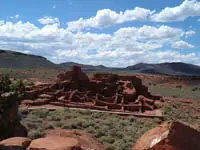
People have lived in this region for thousands of years. Around 1085 CE, the eruption of nearby Sunset Crater Volcano dramatically changed the landscape and displaced communities living close to the volcano. While lava and heavy cinder deposits buried some homes and farmland, thinner layers of volcanic material farther from the eruption helped soil retain moisture. In the generations that followed, communities expanded across the Wupatki area, building pueblos and developing an important center of farming, trade and cultural exchange.
- Why Visit Wupatki
- Things To Do
- Pueblos & Trails
- Wupatki History
- Best Time To Visit
- Weather
- Directions & Hours
- FAQ
Why Visit Wupatki National Monument
People visit Wupatki National Monument to experience ancient Native American history, dramatic desert scenery, and well-preserved pueblo ruins all within a short drive of Flagstaff. The monument offers an easy combination of history, photography, sightseeing, hiking and scenic driving. Many travelers also combine a visit with nearby attractions including Sunset Crater Volcano National Monument, the Painted Desert, Walnut Canyon and the San Francisco Peaks Scenic Area.
Wupatki represents a cultural crossroads where communities farmed, traded and built settlements across the surrounding landscape. The pueblos are ancestral places with continuing cultural importance to Native peoples of the Southwest, not simply abandoned archaeological ruins.
Things To Do At Wupatki National Monument
- Explore Wupatki Pueblo: Walk the half-mile self-guided trail through the monument's largest pueblo and see more than 100 rooms, a ballcourt and a natural blowhole.
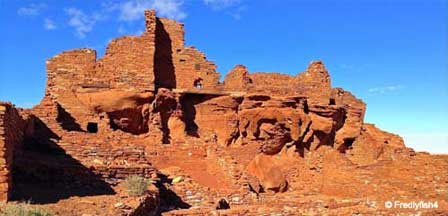
- Visit Wukoki Pueblo: Walk the short trail to a striking three-story pueblo built on a sandstone outcrop.
- See Citadel and Nalakihu Pueblos: Explore the short trail to Nalakihu and the hilltop Citadel overlooking the surrounding grasslands.
- Walk To Lomaki and Box Canyon: Follow a half-mile trail through open grassland to several ancestral pueblo structures.
- Drive the Scenic Loop Road: Enjoy changing scenery between Wupatki and Sunset Crater Volcano National Monument.
- Visit the Wupatki Visitor Center: Explore museum exhibits, watch the park film, speak with rangers and learn about the people connected to this landscape.
- Photograph the Pueblos: Capture red sandstone architecture, grasslands, volcanic terrain and expansive northern Arizona skies.
- Watch for Wildlife: Look for ravens, hawks, reptiles and other animals adapted to the high-desert environment.
- Enjoy Dark Night Skies: Wupatki's remote setting provides excellent conditions for viewing stars when access and conditions permit.
- Combine Wupatki With Sunset Crater: The two national monuments are connected by the same paved scenic loop and are easily visited together.
Best Times To Visit Wupatki National Monument
- Spring: Generally comfortable temperatures make spring an excellent season for walking the pueblo trails and exploring the scenic loop, although wind and rapidly changing weather are possible.
- Summer: Temperatures can become very hot, sometimes exceeding 100°F. Visit early in the day, carry plenty of water and watch for afternoon thunderstorms from July through September.
- Fall: Cooler temperatures and often-clear skies make fall one of the most comfortable times for sightseeing, walking and photography.
- Winter: Cooler conditions and occasional snow can create striking scenery around the pueblos, but visitors should be prepared for freezing temperatures, wind and changing road conditions.
Photography at Wupatki National Monument
Wupatki National Monument is one of the most photogenic archaeological destinations in Arizona. Early morning and late afternoon lighting often provide the best conditions for photographing the red stone pueblos, volcanic terrain, desert grasslands, and distant San Francisco Peaks. Wide landscape views and historic architectural details make the monument especially popular with photographers exploring Northern Arizona.
Wupatki Picture Gallery
These photographs showcase ancestral pueblo ruins, scenic desert landscapes, historic stone structures and panoramic views throughout Wupatki National Monument near Flagstaff, Arizona.
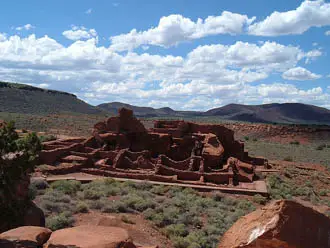
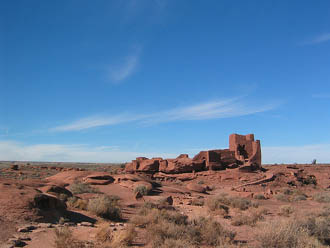
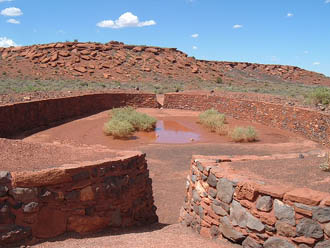
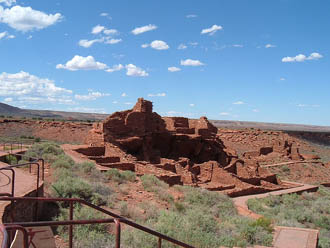
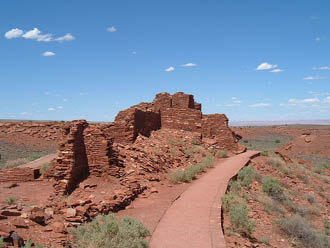
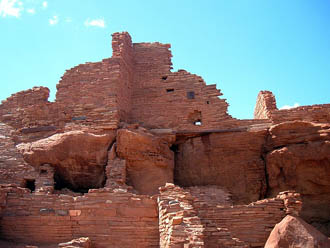
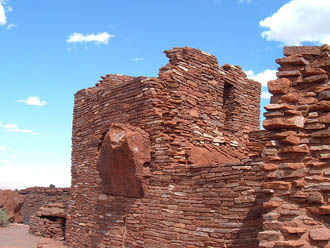
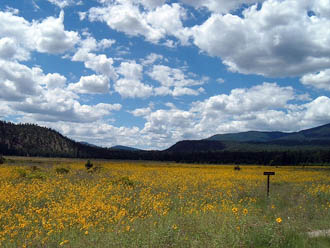
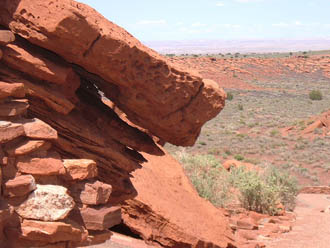
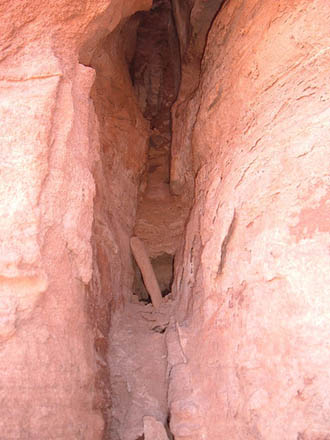
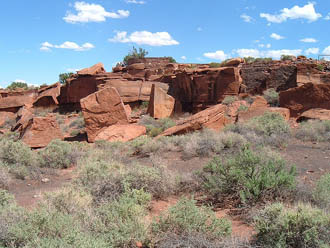
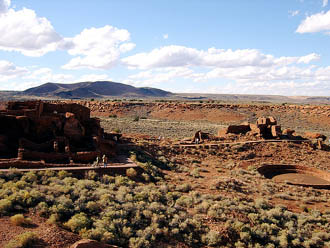
These photos are compliments of several photographers that permitted the use of these pictures and images of the Wupatki Ruins under the Creative Commons License.
Nearby Attractions Around Wupatki National Monument
- Sunset Crater Volcano National Monument: Scenic volcanic landscapes and lava flow trails located along the same loop road.
- Walnut Canyon National Monument: Ancient cliff dwellings built into steep canyon walls near Flagstaff.
- Painted Desert: Colorful desert scenery and panoramic overlooks east of Flagstaff.
- Flagstaff Arizona: Popular mountain town offering lodging, restaurants, shopping, and outdoor recreation.
- San Francisco Peaks: Northern Arizona mountain range known for scenic drives, hiking, and winter snow.
How The Wupatki Pueblos Developed
Human history in the Wupatki region extends back more than 13,000 years. By the early 1100s, roughly 2,000 people were living within 50 miles of Wupatki Pueblo, forming communities connected through farming, trade, family relationships and cultural traditions.
The eruption of Sunset Crater Volcano around 1085 CE transformed the surrounding landscape. Heavy volcanic deposits made some areas uninhabitable, while thinner layers of cinders elsewhere helped retain soil moisture. Communities expanded into the Wupatki Basin, where people practiced dry farming and grew crops such as corn, beans and squash despite scarce rainfall.
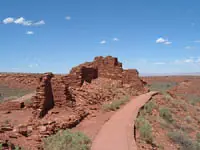
Wupatki became an important regional center where people exchanged goods and ideas with communities across the Southwest. By the mid-1200s, changing environmental conditions and cultural traditions of migration contributed to people moving to other areas.
The pueblos remain culturally significant today. Thirteen federally recognized tribes are traditionally associated with Wupatki National Monument, and descendant communities continue to maintain cultural and spiritual connections to these ancestral places.
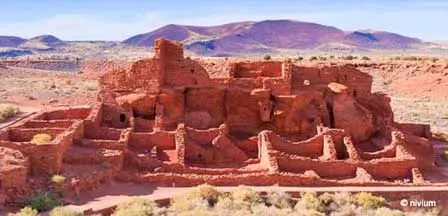
Experiencing Pueblo History At Wupatki National Monument
Wupatki National Monument lies northeast of Flagstaff in a broad high-desert landscape between the ponderosa highlands and the Painted Desert. The scenic drive from Flagstaff and Sunset Crater passes through striking changes in elevation and vegetation before reaching the open grasslands, juniper country and red-rock terrain surrounding Wupatki Pueblo.
Visitors can explore ancestral pueblos, follow short interpretive trails and learn how generations of people adapted to scarce water, strong winds and dramatic environmental change. The monument is both an archaeological landscape and a place of continuing cultural importance to Native communities of the Southwest.
Visiting Wupatki Pueblos & Trails
Several ancestral pueblos can be reached by short front-country trails within Wupatki National Monument. Trails and pueblos are generally open from sunrise to sunset, although temporary closures can occur because of weather or other conditions.
Wupatki Pueblo
Located directly behind the visitor center, Wupatki Pueblo is the monument's largest pueblo and contains more than 100 rooms along with a ballcourt and natural blowhole. The self-guided trail is approximately 0.5 mile round trip and normally takes about 30 minutes. The beginning of the trail to the overlook is accessible, while portions beyond the overlook include grades and stairs.
Citadel and Nalakihu Pueblos
The Citadel and Nalakihu Trail is approximately 0.2 mile out and back. Nalakihu Pueblo stands near the base of a small cinder hill, while the Citadel occupies the summit and provides expansive views across the surrounding grasslands.
Lomaki and Box Canyon Pueblos
The Lomaki and Box Canyon trail is approximately 0.5 mile round trip over a rough gravel surface. The trail passes several ancestral structures and provides broad views across the open Wupatki landscape.
Wukoki Pueblo
Wukoki Pueblo is about three miles from the visitor center and is reached by a short trail of approximately 0.2 mile. The striking three-story structure stands on a sandstone outcrop and is one of the monument's most distinctive pueblos.
Crack-in-the-Rock
Crack-in-the-Rock is a protected backcountry area that can only be visited through limited ranger-led programs when offered by the National Park Service. Current programs require advance registration and may involve strenuous hiking over uneven desert terrain. Check the official Wupatki National Monument website for current dates, availability and requirements.
Protecting The Wupatki Pueblos
Visitors should remain on designated trails and never climb, sit or stand on pueblo walls. Archaeological structures, pottery fragments, stone tools, petroglyphs and other cultural resources are protected and should remain exactly where they are found.
These places are ancestral homelands with continuing cultural importance to Native communities. Visiting quietly, following posted guidance and leaving cultural and natural resources undisturbed helps preserve Wupatki for future generations.
Weather At Wupatki National Monument
Wupatki's high-desert climate can produce large temperature swings, strong winds and rapidly changing conditions. Summer temperatures can exceed 100°F, and afternoon thunderstorms are common from July through September. Winter and early spring can bring freezing temperatures and occasional snow. Visitors should carry water, dress in layers and check the current forecast before hiking or sightseeing.
Directions & Visitor Information
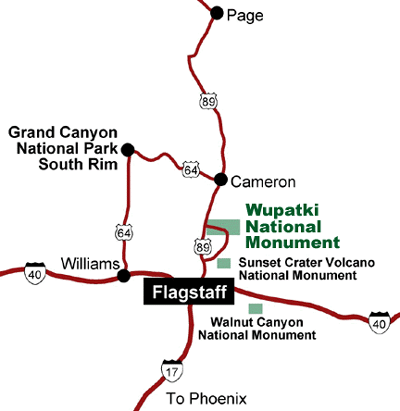
From Flagstaff, take U.S. Highway 89 north approximately 12 miles and turn right at the signed entrance for Sunset Crater Volcano and Wupatki National Monuments. The Wupatki Visitor Center is about 21 miles farther along the paved scenic loop road. Driving from Flagstaff to the visitor center typically takes about 45 to 60 minutes.
Wupatki and Sunset Crater Volcano National Monuments are connected by a paved 35-mile scenic loop road. Visitors can also enter Wupatki from the northern junction with U.S. Highway 89.
The park road is generally open year-round, while trails and pueblos are open from sunrise to sunset. Visitor-center days and hours vary seasonally, and temporary closures can occur. Check the official National Park Service website for current hours, road conditions and alerts before traveling.
Latitude: 35.5578
Longitude: -111.4010
Map To Wupatki National Monument
Wupatki National Monument FAQ
Where is Wupatki National Monument?
Wupatki National Monument is northeast of Flagstaff, Arizona along the paved scenic loop connecting Wupatki with Sunset Crater Volcano National Monument. The drive from Flagstaff to the Wupatki Visitor Center generally takes about 45 to 60 minutes.
How long does it take to visit Wupatki National Monument?
Allow about two hours to visit the main front-country pueblos, with additional time for the visitor center, scenic stops and Sunset Crater Volcano. A combined visit to both national monuments can easily occupy half a day.
What can you see at Wupatki National Monument?
Visitors can explore Wupatki Pueblo, Wukoki Pueblo, Citadel and Nalakihu Pueblos, Lomaki and Box Canyon Pueblos, high-desert landscapes, archaeological features and exhibits at the visitor center.
How long is the Wupatki Pueblo Trail?
The self-guided Wupatki Pueblo Trail is approximately 0.5 mile round trip and typically takes about 30 minutes. It begins directly behind the visitor center.
Can you hike at Wupatki National Monument?
Yes. Several short front-country trails lead to ancestral pueblos. Longer or backcountry experiences such as Crack-in-the-Rock are available only through limited ranger-led programs when offered.
Is Wupatki National Monument good for families?
Yes. The short pueblo trails, visitor-center exhibits, scenic drive and archaeological sites make Wupatki suitable for many families. Children should be supervised closely around ruins and uneven terrain.
What is the best time to visit Wupatki National Monument?
Spring and fall generally provide the most comfortable temperatures for walking and sightseeing. Summer can be extremely hot, while winter can bring freezing temperatures, wind and occasional snow.
Is Wupatki National Monument near Sunset Crater Volcano?
Yes. Wupatki and Sunset Crater Volcano National Monuments are connected by a paved scenic loop road and are commonly visited together.
Are the Wupatki pueblos abandoned ruins?
The pueblos are no longer physically occupied, but they remain ancestral places with continuing cultural and spiritual importance to Native communities. Thirteen federally recognized tribes are traditionally associated with Wupatki National Monument.
For More Information
Official Wupatki National Monument Website
Visitor Center
(928) 679-2365
Indian Ruins In Arizona
Arizona Indian Ruins
Canyon de Chelly
Casa Grande Ruins
Montezuma Castle
Map & Directions Montezuma Castle
Montezuma Well
Palatki Indian Ruins
Pueblo Grande
Walnut Canyon
Wupatki Ruins