South Rim Grand Canyon Pictures
Updated by AZ Leisure Staff Writers on
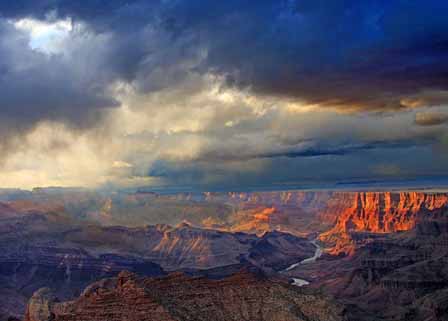
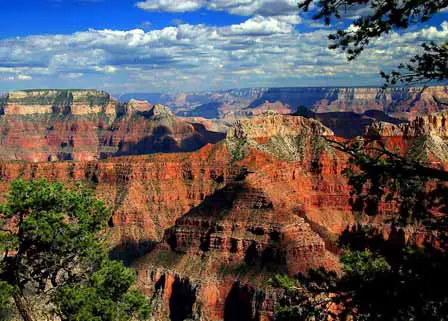
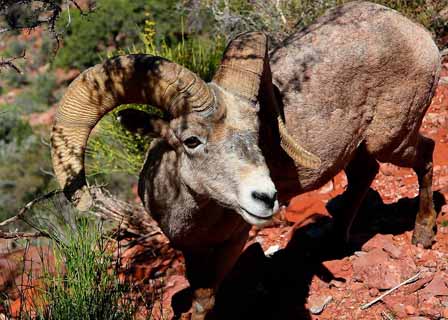
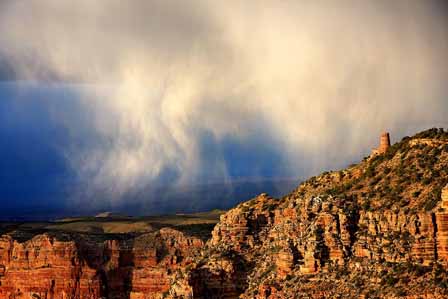
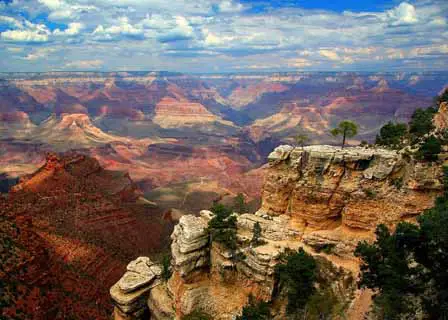
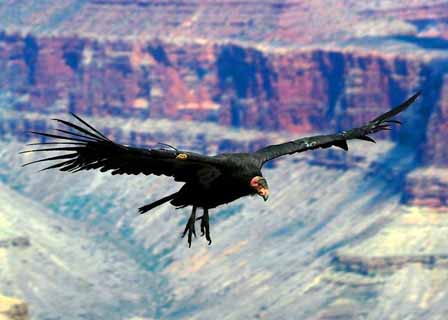
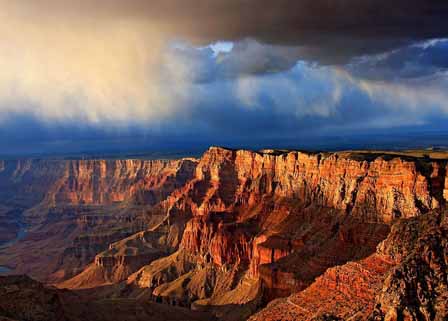
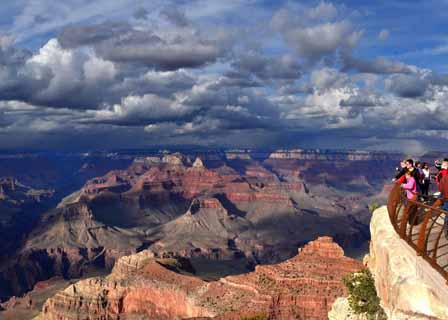
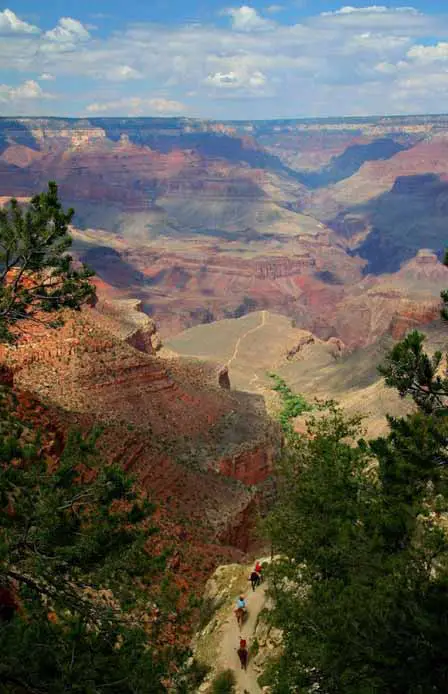
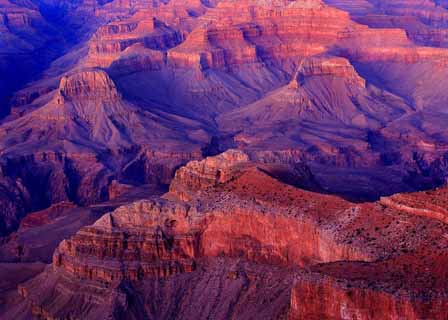
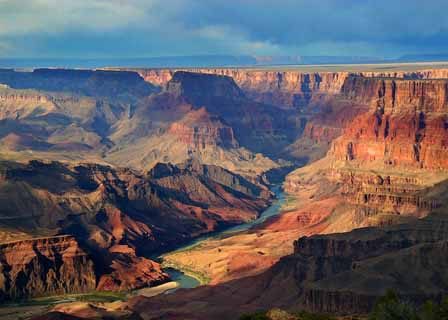
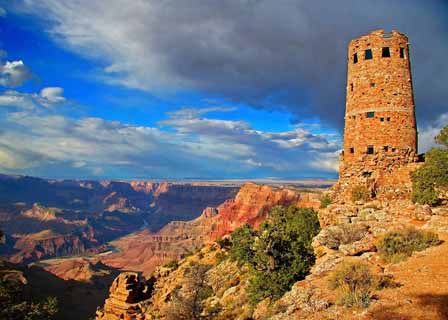
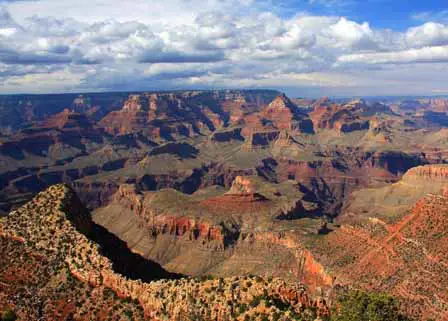
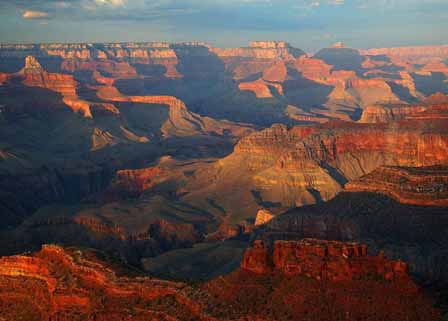
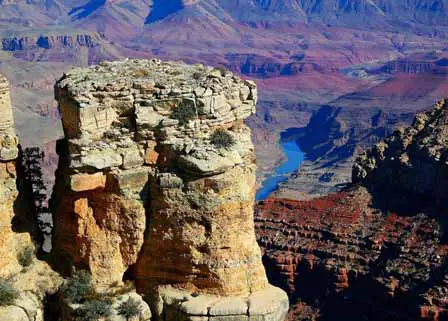
These Grand Canyon South Rim pictures capture the remarkable scenery, weather, wildlife and changing light of Grand Canyon National Park's South Rim. Photographer Mike Koopsen's images include dramatic thunderstorms, colorful sunsets, famous overlooks, Bright Angel Trail, Desert View, California condors and desert bighorn sheep. From sweeping canyon panoramas to fleeting moments of storm light, the gallery shows how dramatically the Grand Canyon can change with season, weather and time of day.
All photographs in this Grand Canyon gallery are by Mike Koopsen and are presented for viewing only. Images may not be copied, reproduced or used for other purposes without permission from the photographer. Mike's landscape photography is also available as fine art prints.
- Grand Canyon Photo Gallery
- Photo Locations
- Weather & Light
- Wildlife In The Gallery
- Grand Canyon Photography Tips
- About Mike Koopsen
- More Grand Canyon Pictures
- FAQ
Grand Canyon South Rim Photo Gallery
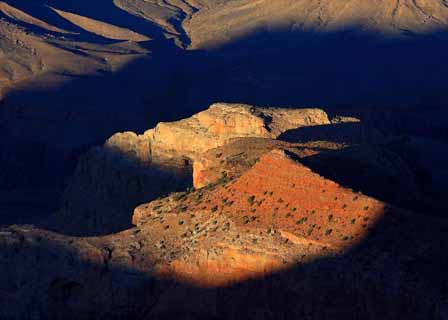
The gallery includes photographs from well-known South Rim locations as well as wildlife, trails, thunderstorms and changing canyon light. Click through the page slowly—the Grand Canyon can look completely different from one image to the next as clouds, shadows and sunlight move across its immense landscape.
Grand Canyon South Rim Photo Locations
Many photographs in this gallery were made at recognizable locations along the South Rim. These overlooks and trails provide very different perspectives of the canyon and are popular with both photographers and first-time visitors.
- Mather Point: One of the most accessible South Rim overlooks and an excellent introduction to the scale of the canyon.
- Hopi Point: Famous for broad canyon panoramas and sunset photography.
- Grandview Point: A high South Rim overlook with expansive views across multiple canyon formations.
- Moran Point: Known for colorful geologic layers and wide eastern Grand Canyon views.
- Desert View: Offers long views toward the Colorado River, Painted Desert and eastern canyon.
- Bright Angel Trail: Descends from Grand Canyon Village and offers changing perspectives as it drops below the rim.
- Comanche Point: A more remote eastern South Rim viewpoint featured in this gallery.
Grand Canyon Weather And Changing Light
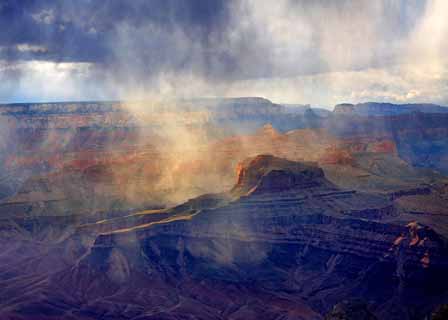
Weather is one of the reasons the Grand Canyon can look dramatically different from hour to hour. Storm clouds create deep shadows across the canyon, while rain shafts and virga can produce striking patterns against the layered cliffs. Clear mornings, afternoon thunderstorms and colorful evening light each reveal different textures and colors.
Sunrise and sunset are especially popular for photography because low-angle sunlight can emphasize ridges, buttes and distant canyon walls. Visitors photographing storms should remain alert to lightning and move away from exposed overlooks when thunderstorms approach. See our Grand Canyon weather and climate guide for seasonal conditions.
Grand Canyon Wildlife In The Gallery
This photo collection includes two of the Grand Canyon's most recognizable wildlife species: desert bighorn sheep and California condors. Bighorn sheep inhabit steep canyon terrain and rocky slopes, while condors may be seen soaring on rising air currents above or below the canyon rim.
Wildlife sightings should always be enjoyed from a safe distance. Never feed or approach animals for a photograph. For additional species and viewing information, see our Grand Canyon wildlife guide.
Grand Canyon Photography Tips
- Photograph during early morning or late afternoon when low-angle light emphasizes canyon depth and texture.
- Include foreground elements such as trees, rocks or trail features to create a stronger sense of scale.
- Watch moving clouds and shadows because compositions can change dramatically within minutes.
- Use a telephoto lens for wildlife rather than approaching animals.
- Protect camera equipment during sudden summer thunderstorms.
- Photograph from established overlooks and trails rather than stepping close to unprotected cliff edges.
- Consider vertical compositions for trails, wildlife and tall canyon formations.
- Allow extra time at sunset because canyon colors can continue changing after the sun drops below the horizon.
Grand Canyon Photography By Mike Koopsen
Photographer Mike Koopsen brings an artist's eye to Grand Canyon landscapes, emphasizing composition, light, shadow, texture and changing weather. His images capture both the immense scale of the canyon and smaller moments such as wildlife encounters, storms and evening light.
For viewing purposes only.
Copyright Mike Koopsen
View Mike Koopsen's Print Gallery
More Grand Canyon Pictures And Guides
- Grand Canyon National Park Guide
- Grand Canyon South Rim
- More Grand Canyon Photography By Mike Koopsen
- Grand Canyon Winter Pictures
- Grand Canyon Wildlife
- Bright Angel Trail
- Desert View Watchtower
- Grand Canyon Weather & Climate
- Arizona Picture Galleries
- Mike Koopsen Photo Gallery
Frequently Asked Questions About Grand Canyon South Rim Pictures
Where were these Grand Canyon photographs taken?
The gallery features locations around the Grand Canyon South Rim including Mather Point, Hopi Point, Grandview Point, Moran Point, Desert View, Comanche Point and Bright Angel Trail.
Who took the photographs in this Grand Canyon gallery?
The photographs were created by landscape photographer Mike Koopsen and are displayed by Arizona Leisure for viewing purposes.
Can these Grand Canyon photographs be copied or reused?
No. The photographs are copyrighted by Mike Koopsen and may not be copied, reproduced or used for other purposes without permission.
Where is the best place to photograph sunset at the Grand Canyon?
Several South Rim overlooks provide excellent sunset views, including Hopi Point, which is featured in this gallery. The best location can vary depending on weather, season and cloud conditions.
Where can I photograph Desert View Watchtower?
Desert View Watchtower is located at Desert View on the eastern South Rim and can be photographed from several locations around the developed Desert View area.
Can you photograph wildlife at the Grand Canyon?
Yes. Wildlife such as mule deer, elk, desert bighorn sheep, California condors, ravens and other animals may be encountered, but photographers should always maintain a safe distance and use telephoto lenses rather than approaching wildlife.
What is the best time of day for Grand Canyon photography?
Early morning and late afternoon often provide dramatic light because shadows emphasize the canyon's depth and rock formations. Storms and changing clouds can also create striking photographic conditions throughout the day.
Can you photograph the Grand Canyon during storms?
Storms can create dramatic photographs, but lightning is a serious hazard. Move away from exposed overlooks and cliff edges when thunderstorms approach.
Is Bright Angel Trail good for photography?
Yes. Bright Angel Trail offers changing canyon perspectives as it descends below the South Rim, but photographers should prepare for steep terrain, elevation changes and seasonal temperature extremes.
The Spectacular Grand Canyon