Phoenix Japanese Friendship Garden
Updated by AZ Leisure Staff Writers on
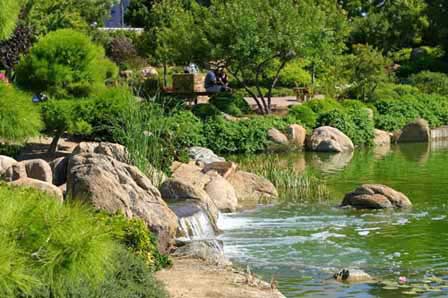 Japanese Friendship Garden. © Dyanna Hyde
The Japanese Friendship Garden of Phoenix, known as Rohoen, is a 3.5-acre Japanese stroll garden near downtown Phoenix created through the long-standing sister-city relationship between Phoenix and Himeji, Japan. Visitors can follow winding paths past streams, stone bridges, lanterns, a 14-foot waterfall and a large koi pond while experiencing traditional Japanese garden design adapted to Arizona's desert climate. Rohoen also includes a tea garden and Musoan tea house, where cultural programs such as Chanoyu, the Way of Tea, are offered on selected dates.
- Japanese Friendship Garden Overview
- Meaning Of The Name Rohoen
- Garden Design & Features
- Plants, Koi & Water Features
- Japanese Tea Ceremony
- Hours, Admission & Parking
- Accessibility & Visitor Guidelines
- Directions & Light Rail
- Things To Do Nearby
- Japanese Friendship Garden FAQ
Japanese Friendship Garden Of Phoenix
Rohoen was created as a cultural expression of the sister-city relationship between Phoenix, Arizona, and Himeji, Japan. Himeji became a Phoenix Sister City in 1976, and the garden developed through years of cooperation between Japanese designers, gardeners and their Phoenix counterparts.
Today, Rohoen is operated as a nonprofit cultural garden that combines traditional Japanese landscape principles with plants and materials suited to the Sonoran Desert environment. The result is a quiet urban garden designed for strolling, observation and contemplation rather than active recreation.
What Does Rohoen Mean?
The name Rohoen reflects the friendship between Phoenix and Himeji. "Ro" refers to the heron, a symbol associated with Himeji and its famous White Heron Castle. "Ho" refers to the mythical phoenix bird, while "En" means garden.
Together, the name symbolically joins the two sister cities in a single landscape.
Japanese Garden Design At Rohoen
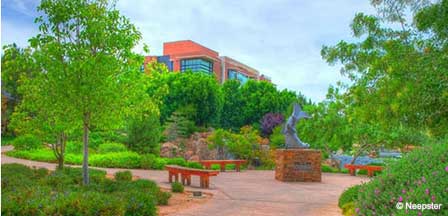
Rohoen is designed as a traditional Japanese stroll garden using the principle of miegakure, or "hide and reveal." Instead of allowing visitors to see the entire garden at once, curved paths and carefully placed landscape elements gradually reveal new views as guests move through the grounds.
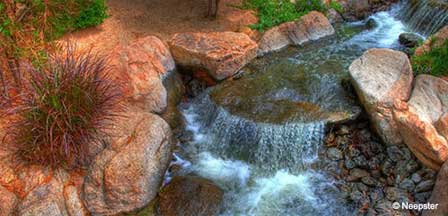
The 3.5-acre garden includes stone bridges, lanterns, streams, waterfalls, carefully positioned rocks, a tea garden and Musoan tea house. More than 1,500 tons of rock were selected for the landscape, helping create the shorelines, pathways, stream beds and major garden features.
Plants, Koi & Water Features
The Japanese Friendship Garden contains more than 85 varieties of plants selected to support the garden's Japanese character while surviving Phoenix's demanding desert climate. Green foliage, carefully placed flowering plants, bamboo, water plants and sculpted landscape forms are used together to create a calm and balanced setting.
Water is a central design element. Visitors encounter flowing streams, a 14-foot waterfall and a large koi pond containing more than 300 colorful koi. Stone, water, vegetation and open space are intentionally combined to create changing views throughout the stroll garden.
Chanoyu - The Japanese Way Of Tea
Rohoen's Musoan tea house hosts Chanoyu, also known as Chado or the Way of Tea. The experience emphasizes harmony, respect, purity and serenity while introducing guests to the highly refined Japanese tea tradition.
Public Chanoyu gatherings are currently offered on selected Saturdays from October through May. Seating is limited and advance reservations are required, so visitors interested in participating should check the garden's current tea-program calendar before planning a visit.
Japanese Friendship Garden Hours, Admission & Parking
Current Summer Hours: Tuesday through Sunday, 8:00 AM to 12:30 PM and 4:00 PM to 7:30 PM. Last admission is 30 minutes before closing. The garden is normally closed on Mondays.
- Adults: $14
- Seniors: $12
- Students: $11
- Military: $11
- Youth ages 7-17: $11
- Children ages 0-6: Free
The garden has its own free parking lot on the west side of the property. Admission hours and pricing can change seasonally or during special events, so check the official garden website before traveling.
Accessibility & Visitor Guidelines
The Japanese Friendship Garden's parking, restrooms and visitor facilities are wheelchair and motorized-scooter accessible, and the primary garden path is fully paved. A wheelchair may also be available on a first-come, first-served basis.
- Stay on designated garden paths
- Outside food and beverages are not permitted except water
- Pets are not allowed, although service animals are permitted
- Strollers are permitted
- Do not feed the koi
- Casual visitor photography is permitted
- Posed, professional or special-occasion photography requires advance booking
- Tripods and additional photography equipment are not permitted during normal public hours
Directions To The Japanese Friendship Garden
The Japanese Friendship Garden is located at 1125 North 3rd Avenue in Phoenix, approximately two blocks north of Roosevelt Street.
Visitors arriving by Valley Metro Rail can exit at the Central Avenue and Roosevelt Street station. The garden is approximately 0.3 mile west of the station, directly behind the Irish Cultural Center.
Japanese Friendship Garden of Phoenix
1125 North 3rd Avenue
Phoenix, AZ 85003
Phone: (602) 274-8700
Official Japanese Friendship Garden Information
- Japanese Friendship Garden Of Phoenix - Official Website
- Current Hours, Admission & Tickets
- Chanoyu - Way Of Tea
Phone: (602) 274-8700
Things To Do Near The Japanese Friendship Garden
- Phoenix Arizona for downtown attractions, dining and travel planning
- Phoenix Area Museums for art, history and cultural attractions
- Desert Botanical Garden for Sonoran Desert plants and walking trails
- Phoenix Zoo for wildlife exhibits and family activities
- Phoenix Arts & Theatre for performing arts and cultural venues
- Greater Phoenix Things To Do for additional attractions throughout the Valley
Japanese Friendship Garden Of Phoenix FAQ
What is the Japanese Friendship Garden of Phoenix?
The Japanese Friendship Garden of Phoenix, also known as Rohoen, is a 3.5-acre Japanese stroll garden created through the sister-city relationship between Phoenix, Arizona, and Himeji, Japan.
What does Rohoen mean?
"Ro" represents the heron associated with Himeji, "Ho" represents the mythical phoenix bird, and "En" means garden.
How large is the Japanese Friendship Garden?
Rohoen covers approximately 3.5 acres near downtown Phoenix.
What can you see at the Japanese Friendship Garden?
Visitors can see streams, stone bridges, lanterns, more than 85 varieties of plants, a 14-foot waterfall, a large koi pond with more than 300 koi, a tea garden and Musoan tea house.
How long should I spend at the Japanese Friendship Garden?
The garden recommends allowing approximately 45 minutes to one hour for a comfortable visit, although guests may stay longer during normal admission hours.
Is the Japanese Friendship Garden wheelchair accessible?
Yes. The parking area, restrooms and facilities are accessible, and the primary garden path is paved for wheelchairs and motorized scooters.
Is parking free at the Japanese Friendship Garden?
Yes. Rohoen has a free visitor parking lot on the west side of the garden, with additional free street parking available nearby.
Are pets allowed at the Japanese Friendship Garden?
No. Pets are not permitted inside the garden, although trained service animals are allowed.
Can visitors feed the koi?
No. Visitors are currently not permitted to feed the koi.
Can I take pictures at the Japanese Friendship Garden?
Casual visitor photography is permitted. Posed, professional, special-occasion or commercial photography requires advance arrangements with the garden.
Does the Japanese Friendship Garden offer tea ceremonies?
Yes. Rohoen offers Chanoyu, the Way of Tea, on selected dates from October through May. Advance reservations are required.
How do I get to the Japanese Friendship Garden by light rail?
Exit Valley Metro Rail at Central Avenue and Roosevelt Street. The garden is approximately 0.3 mile west of the station at 1125 North 3rd Avenue.
Related Phoenix Interest
Phoenix Arizona
Greater Phoenix Map
Rawhide Western Town
Roosevelt Lake Map & Directions
South Mountain Park
Phoenix To South Rim
Greater Phoenix Things To Do
Hiking Papago Park
Phoenix Dude Ranches
Phoenix Events & Festivals
Desert Botanical Garden
Piestewa Peak Hiking
Phoenix Weather Info
Phoenix Boat Tours
Mystery Castle
Phoenix Horseback Riding
Camelback Mountain
Phoenix Area Museums
Phoenix Zoo
Phoenix Arts & Theatre
Phoenix Fishing Guides
Phoenix Area Attractions
Metro Phoenix