Williams Arizona Weather & Average Temperatures
Reviewed and updated by AZ Leisure Staff Writers on .
Average Temperatures In Williams, Arizona

Williams weather is strongly influenced by the town's high-country elevation of about 6,800 feet. The climate is much cooler than Arizona's lower desert communities, with four distinct seasons, comfortable summer days, cold winter nights, periodic snowfall, and crisp spring and fall weather. Because Williams is a popular base for Grand Canyon trips, Route 66 travel and outdoor recreation, understanding seasonal weather can help visitors choose the best time for their trip.
The Williams climate chart below shows average monthly high and low temperatures, average rainfall, and approximate sunrise and sunset times for each month. These long-term averages are useful for planning a visit to Williams, Arizona, but actual weather can vary considerably from year to year.
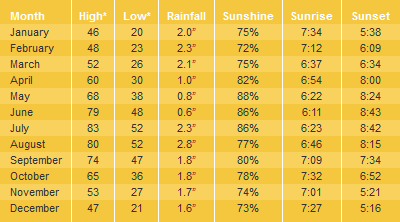
- Average Temperatures
- Weather By Season
- Summer Weather
- Winter & Snow
- Monsoon Season
- What To Pack
- Best Time To Visit
- FAQ
Williams Arizona Weather By Season
Spring: March through May brings cool mornings, gradually warming afternoons and highly variable weather. Late-season snow is possible, so visitors should be prepared for changing conditions.
Summer: June through August is the warmest season, but Williams remains considerably cooler than Arizona's lower desert communities because of its elevation. Daytime conditions are generally comfortable for sightseeing and outdoor recreation, while evenings can still feel cool.
Fall: September through November typically brings cooler days, crisp nights and changing foliage in the surrounding forests. Early fall can still experience thunderstorms, while temperatures drop more noticeably later in the season.
Winter: December through February is cold, with freezing nighttime temperatures, snowfall and occasional icy travel conditions. Snowstorms can temporarily affect roads and outdoor activities, making current forecasts and road-condition checks especially important.
Summer Weather In Williams
Summer in Williams is generally much cooler than in Phoenix and other lower-elevation desert communities. The high elevation produces comfortable daytime weather for Route 66 sightseeing, Grand Canyon trips, hiking and other outdoor activities, while evenings can cool quickly. Visitors should still use sun protection because ultraviolet exposure is stronger at higher elevations.
Winter Weather & Snow In Williams
Williams experiences true winter weather, including freezing temperatures and periodic snowfall. Snow can create attractive winter scenery and opportunities for seasonal recreation, but storms may also produce icy roads, reduced visibility and difficult driving conditions. Travelers visiting in winter should check the current forecast and Arizona road conditions before departure and allow extra travel time when storms are expected.
Williams Arizona Monsoon Season
Late summer can bring Arizona monsoon thunderstorms to the Williams area, especially during July, August and early September. Storms often develop during the afternoon and may produce brief heavy rain, lightning, gusty winds and rapidly changing temperatures. Hikers, campers and other outdoor visitors should watch the forecast and be prepared to change plans when thunderstorms develop.
What To Pack For Williams Weather
Layers are useful in Williams throughout the year because temperatures can change significantly between daytime and nighttime. Summer visitors should bring sun protection, water and a light jacket for cooler evenings. Spring and fall travelers should prepare for changing temperatures, wind and occasional precipitation. Winter visitors should pack warm clothing, gloves, appropriate footwear and extra layers for snow and freezing conditions.
Best Time To Visit Williams, Arizona
The best time to visit Williams depends on the experience you want. Late spring through early fall is popular for Route 66 sightseeing, Grand Canyon trips, hiking, fishing and other outdoor recreation. Spring and fall generally offer cooler conditions and fewer peak-season visitors, while winter appeals to travelers who enjoy snow, seasonal activities and a quieter mountain-town atmosphere. Weather can change quickly at this elevation, so checking the current forecast before traveling is recommended in every season.
Related Williams & Grand Canyon Information
Williams Arizona Travel Guide
Grand Canyon South Rim
Grand Canyon Railway Trip
Williams Arizona Weather FAQ
What is the weather like in Williams, Arizona?
Williams has a four-season high-country climate with mild summers, cold winters, seasonal snowfall, and cool spring and fall weather. Its elevation makes it substantially cooler than Arizona's lower desert communities.
What is the elevation of Williams, Arizona?
Williams sits at roughly 6,800 feet elevation, although the exact elevation varies by location within the community.
Does it snow in Williams, Arizona?
Yes. Williams regularly experiences winter snowfall, along with freezing temperatures and occasional icy road conditions.
Is Williams cooler than Phoenix in summer?
Yes. Because Williams is located at much higher elevation, summer temperatures are generally considerably cooler than in Phoenix and Arizona's lower desert areas.
When is monsoon season in Williams?
Monsoon thunderstorms are most common during the late-summer period, particularly in July, August and early September. Afternoon storms can bring lightning, gusty winds and brief heavy rain.
What should I wear in Williams, Arizona?
Layered clothing is useful throughout the year because mornings, afternoons and evenings can feel quite different. Summer evenings may require a light jacket, while winter visitors should be prepared for snow and freezing temperatures.
What is the best time to visit Williams?
Late spring through early fall is popular for sightseeing and outdoor recreation, while spring and fall often provide cooler conditions and lighter crowds. Winter is best for visitors seeking snow and seasonal winter activities.
Flagstaff High Country
Enjoy Cool Flagstaff
Flagstaff Arizona
Map & Directions
Weather & Climate
Miles to Arizona Cities
Picture Gallery
Distance To Attractions
About Flagstaff AZ
Lakes Near Flagstaff
Blue Ridge Reservoir
Upper Lake Mary
Mormon Lake
Kinnikinick Lake
Ashurst Lake
Flagstaff Fishing
Scenic Drives
Oak Creek Canyon
Arizona Route 66
Peaks Loop Drive
Schultz Pass Road
Snowbowl Scenic Drive
Things To Do
Scenic Railways
Cliff Castle Casino
Snow Skiing
Flagstaff Camping
Flagstaff Museums
Area Attractions
Lake Powell
Wupatki Ruins
San Francisco Peaks
Grand Canyon
Walnut Canyon
Humphreys Peak
Meteor Crater
Sunset Crater
Historic Downtown
Arizona Snowbowl
Lowell Observatory
Arboretum of Flagstaff
Where To Stay
Cabin Rentals
RV Parks & Campgrounds
Bed and Breakfast
Conifer House
Aspen Inn
Flagstaff Articles
Kids Snow Play
Dress For Flagstaff
Nearby Cities
Williams Arizona
Related Flagstaff Interest