Sedona Vortexes: 4 Main Energy Sites In Arizona
Updated by AZ Leisure Staff Writers on
Sedona, Arizona is famous for towering red sandstone formations, dramatic canyons and a long-standing reputation as a center for spirituality and personal reflection. Among its best-known attractions are the Sedona vortexes, places where some visitors and spiritual practitioners believe the earth's energy can be felt more strongly.
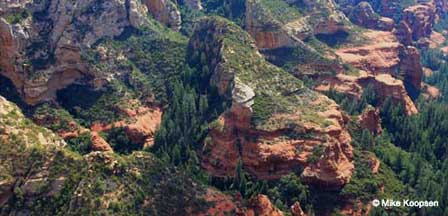
The four vortex sites most commonly associated with Sedona are Airport Mesa, Bell Rock, Cathedral Rock and Boynton Canyon. People visit these scenic locations for meditation, prayer, reflection, hiking and photography, while others simply enjoy them as some of the most beautiful landscapes in Red Rock Country.
Experiences at a vortex are highly personal. Some visitors report feelings of calm, inspiration, heightened awareness or emotional well-being, while others notice nothing unusual beyond the scenery. Vortex energy remains a spiritual and metaphysical belief rather than an established scientific phenomenon.
- What Is A Sedona Vortex?
- 4 Main Sedona Vortex Sites
- Airport Mesa
- Bell Rock
- Cathedral Rock
- Boynton Canyon
- How To Experience A Vortex
- Vortex Beliefs & Science
- Visitor Tips
- Getting To Sedona
- FAQ
What Is A Sedona Vortex?
In Sedona's spiritual tradition, a vortex is believed to be a location where natural energy is especially concentrated or noticeable. Practitioners often describe vortexes as places that may support meditation, prayer, self-reflection, healing or a stronger sense of connection with nature.
Different traditions describe the energy in different ways. Some use terms such as inflow, upflow, masculine, feminine or balanced energy. These descriptions belong to metaphysical and spiritual belief systems rather than established physical science.
You do not need to follow a particular spiritual practice to visit a vortex site. All four major locations are also scenic hiking and sightseeing destinations within Sedona's red rock landscape.
How Sedona Became Known For Vortexes
The modern Sedona vortex movement became widely known during the late 1970s and early 1980s. Psychic and writer Page Bryant helped popularize the term "vortex" for several Sedona meditation and energy sites, including Bell Rock, Cathedral Rock, Airport Mesa and Boynton Canyon.
Sedona's reputation as a center for alternative spirituality expanded during the 1980s and became especially visible during the 1987 Harmonic Convergence. Since then, vortex tours, meditation, wellness practices and metaphysical businesses have become a recognizable part of Sedona's visitor culture.
The 4 Main Sedona Vortex Sites
Although many locations around Sedona are associated with spiritual energy, four sites are consistently identified as the primary vortex destinations: Airport Mesa, Bell Rock, Cathedral Rock and Boynton Canyon. Each also offers a different hiking and sightseeing experience.
Airport Mesa Vortex
Airport Mesa is one of the easiest major vortex areas to reach and offers panoramic views across Sedona's red rock country. It is especially popular around sunrise and sunset and is often described by vortex practitioners as having balanced or energizing qualities.
The rocky viewpoint requires a short climb over uneven terrain. Parking is limited and the area can become crowded during popular viewing times, so allow extra time and use caution near exposed rock.
Bell Rock Vortex
Bell Rock rises beside State Route 179 near the Village of Oak Creek and is one of Sedona's most recognizable formations. Visitors can experience the area from the Bell Rock Pathway and connecting trails without attempting to climb high onto the formation.
Vortex traditions often describe Bell Rock as an energizing or outward-flowing site. Regardless of spiritual beliefs, the surrounding trails provide excellent views of Bell Rock, Courthouse Butte and the surrounding red rock landscape.
Cathedral Rock Vortex
Cathedral Rock is one of Sedona's most photographed landmarks and is frequently associated with introspection, meditation and nurturing or inward-focused energy in vortex traditions.
Visitors do not need to climb to the high saddle to appreciate the site. Cathedral Rock can also be viewed from lower trails and from the Red Rock Crossing area near Oak Creek. The upper Cathedral Rock route is steep and strenuous in places, so hikers should choose an experience appropriate for their fitness and comfort level.
Boynton Canyon Vortex
Boynton Canyon combines dramatic red rock walls with a quieter canyon setting northwest of central Sedona. The vortex area is commonly associated with both inward and outward energy and is popular for meditation, reflection and hiking.
The short Boynton Vista spur provides access to a commonly visited vortex area, while the full Boynton Canyon trail continues much farther into the canyon. Visitors do not need to complete the entire canyon hike to experience the scenery near the vortex area.
How To Experience A Sedona Vortex
There is no required ritual for visiting a vortex. Many people simply find a comfortable place to sit quietly and enjoy the surroundings. Others meditate, pray, practice mindful breathing, journal or spend time reflecting.
Visitors describe a wide range of personal responses, including relaxation, inspiration, emotional release, heightened awareness or a stronger sense of connection with the landscape. These experiences are subjective and vary from person to person.
Even visitors who do not believe in vortex energy can enjoy these locations for their scenery, hiking, quiet spaces and extraordinary geology.
Are Sedona Vortexes Scientifically Proven?
Sedona vortex energy is a spiritual and metaphysical concept, not an established scientific phenomenon. Claims that vortex locations contain unusual electromagnetic fields, energy emerging from the earth or portals to other dimensions have not been established as accepted physical explanations for the sites.
That does not invalidate a visitor's personal or spiritual experience. Meditation, quiet reflection, physical activity and time spent in dramatic natural surroundings can all be meaningful regardless of how someone interprets the idea of vortex energy.
Sedona Vortex Tours Or Self-Guided Visits
All four major vortex areas can be visited independently, and many travelers simply use established Sedona trails and viewpoints. Guided vortex experiences are also available for visitors who want additional information about local spiritual traditions, meditation practices or the locations commonly associated with vortex energy.
A guide is not required simply to visit Airport Mesa, Bell Rock, Cathedral Rock or Boynton Canyon. If choosing a commercial tour, compare the route, physical requirements and type of spiritual or interpretive experience before booking.
Parking, Red Rock Passes & Trail Access
Several Sedona vortex areas are reached through Coconino National Forest trailheads. Some trailhead parking areas require a Red Rock Pass or an accepted federal recreation pass such as an America the Beautiful Pass.
Parking conditions, shuttle operations and trail access can change during busy seasons or because of weather, maintenance and temporary closures. Check current Coconino National Forest and Sedona transportation information before leaving for a trailhead.
Sedona Vortex Visitor Tips
- Bring plenty of drinking water, especially during warm weather.
- Wear sturdy shoes suitable for sandstone, loose rock and uneven trails.
- Use sunscreen, a hat and sun-protective clothing.
- Check current trail, parking and shuttle information before leaving your lodging.
- Stay on established trails and avoid creating new routes across fragile desert soils.
- Respect people who are meditating, praying or participating in quiet spiritual practices.
- Keep noise low around visitors seeking solitude or reflection.
- Do not leave crystals, offerings, candles or other objects in natural areas.
- Pack out everything you bring with you.
- Avoid exposed high points when thunderstorms or lightning threaten.
Getting To Sedona
From Phoenix
From the Phoenix area, travel north on Interstate 17 to Exit 298 for State Route 179. Follow State Route 179 northwest through the Village of Oak Creek into Sedona. Driving distance and travel time vary by starting point and traffic, so allow approximately two hours from much of the Phoenix metropolitan area.
From Flagstaff
From Flagstaff, the most scenic route follows U.S. 89A south through Oak Creek Canyon into Sedona. This winding mountain road offers exceptional scenery but can be affected by winter weather, congestion or road restrictions.
An alternate route follows Interstate 17 south to State Route 179 and approaches Sedona through the Village of Oak Creek. Check current road conditions before choosing a route during winter storms or other adverse weather.
More Sedona Visitor Information
- Sedona & Oak Creek Canyon Visitor Guide
- Sedona Arizona Map & Directions
- Sedona Weather & Climate
- Oak Creek Canyon Scenic Drive
- Chapel of the Holy Cross
- Sedona Arizona Pictures
- Sedona Cabins & Lodges
- Sedona Vacation Rentals
- Dream Sedona
The Wonder Of Sedona & Oak Creek
Sedona-Oak Creek Canyon
Sedona Arizona
Oak Creek Canyon
Arizona Route 66
Map & Directions
Weather & Climate
Sedona Pictures
Things To Do
Sedona Golf Courses
Grand Canyon Tours
West Fork Trail
Desert Canyon Drive
Sedona Museums
Events & Festivals
Horseback Riding
Area Attractions
Palatki Indian Ruins
Montezuma Castle
Montezuma Well
Grand Canyon South Rim
Sycamore Canyon
Slide Rock State Park
Grand Canyon Railway
Chapel of the Holy Cross
Oak Creek
Nearby Towns
Flagstaff Arizona
Jerome Arizona
Cornville Arizona
Williams Arizona
Cottonwood Arizona
Sedona Articles
Native American History
Vortex Visions
Mystical Vortexes
Enchantment Resort
Credit The Sinagua
Where To Stay
Cabins & Lodges
RV Parks & Campgrounds
Bed and Breakfast
Sedona Vacation Rentals
Sedona Timeshares