
Rafting The Grand Canyon
Updated by AZ Leisure Staff Writers on
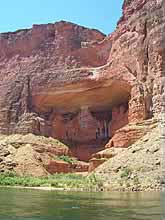
Grand Canyon rafting offers one of the most immersive ways to experience the Colorado River and the immense canyon walls rising above it. Professionally guided Grand Canyon river trips range from shorter partial-canyon adventures to multi-week journeys through world-class whitewater, with nights spent camping on remote beaches and opportunities for side-canyon hikes, wildlife viewing and visits to cultural sites. Private noncommercial trips are also possible, but they require permits, experienced boaters and extensive preparation.
- Grand Canyon Rafting Overview
- Types Of River Trips
- Raft & Boat Choices
- Trip Lengths
- Commercial Trips & Private Permits
- Lees Ferry To Diamond Creek
- What To Expect
- River Camping
- Rafting Safety
- Planning & Packing Tips
- FAQ
Grand Canyon Rafting Overview
- Primary river: Colorado River
- Main whitewater route: Lees Ferry to Diamond Creek
- Distance to Diamond Creek: Approximately 226 river miles
- Commercial whitewater trips: Typically 3 to 18 days
- Private Lees Ferry trips: Typically 12 to 25 days
- Lower Gorge private trips: Typically 2 to 5 days from Diamond Creek
- Boat choices: Motorized rafts, oar rafts, paddle rafts and dories
- Overnight accommodations: Primitive riverside beach camps
- Private permits: Required for noncommercial trips
Types Of Grand Canyon River Trips
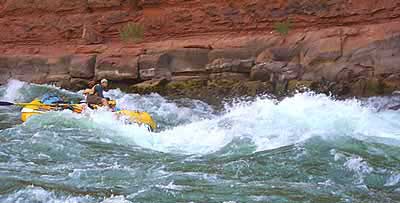
Grand Canyon river trips range from professionally guided whitewater expeditions to self-guided private trips requiring permits and substantial river experience. The right choice depends on how much time you have, whether you want motorized or non-motorized travel, your comfort with wilderness camping and whether you want to hike into or out of the canyon during a partial trip.
Commercial Guided Whitewater Trips
National Park Service-authorized river concessioners offer professionally guided trips through Grand Canyon lasting approximately 3 to 18 days. These trips may use motorized rafts, oar-powered rafts, paddle rafts or dories, and the outfitter provides boats, guides, meals, group camping equipment and river logistics.
Private Noncommercial Trips
Private river trips are self-guided and require National Park Service permits. Lees Ferry-to-Diamond Creek trips generally last 12 to 25 days and are awarded through a weighted lottery. At least one member of each group must have the technical whitewater experience and skills required for navigating the Colorado River through Grand Canyon.
Short Lower Gorge Trips
Noncommercial trips beginning at Diamond Creek typically last 2 to 5 days and continue downstream through the Lower Gorge toward Lake Mead. These trips require a separate permit process and access across Hualapai Tribal land.
Grand Canyon Raft And Boat Choices
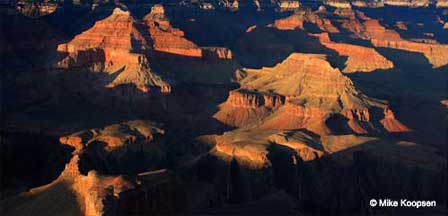
The type of boat can significantly affect the pace and feel of a Grand Canyon river trip. Commercial operators currently use several styles of craft, and not every outfitter offers every option.
- Motorized Rafts: Cover more river miles each day and are commonly used for shorter full-canyon itineraries.
- Oar Rafts: Guides row the raft, producing a slower-paced and more traditional river experience.
- Paddle Rafts: Passengers actively paddle under the direction of a guide and should expect a more physical experience.
- Dories: Hard-hulled boats offer a distinctive ride and respond differently to waves and rapids than inflatable rafts.
Grand Canyon Rafting Trip Lengths
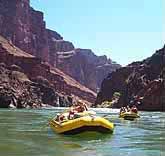
Trip length depends on the portion of river traveled, boat type and whether passengers hike into or out of the canyon during a partial trip. Commercial whitewater trips generally range from 3 to 18 days. Motorized trips can cover the canyon more quickly, while non-motorized trips usually allow a slower pace and more time for hiking and exploring side canyons.
Full-length private trips from Lees Ferry to Diamond Creek generally last 12 to 25 days. Motorized commercial trips typically require at least about seven days to reach Diamond Creek. Partial commercial trips may exchange passengers near Phantom Ranch, requiring a strenuous hike between the river and the South Rim.
Lees Ferry To Diamond Creek
Lees Ferry is the principal launch point for long whitewater trips through Grand Canyon. From there, the Colorado River travels approximately 226 river miles through Marble Canyon and the heart of Grand Canyon before reaching Diamond Creek.
Along the way, river travelers encounter major rapids, towering canyon walls, remote beaches, tributary canyons, archaeological and cultural sites and opportunities for guided hikes away from the river.
Diamond Creek is located on Hualapai Tribal land and is an important access point for river-trip takeouts and shorter Lower Gorge trips. Additional Tribal access fees and requirements may apply independently of National Park Service river permits.
Do You Need Rafting Experience?
Passengers on professionally guided commercial trips generally do not need previous whitewater rafting experience. Guides operate or supervise the boats and provide instructions for navigating rapids, camping and river safety.
Physical requirements vary considerably by trip. Getting on and off rafts, walking over uneven beaches, camping outdoors and participating in side hikes can require balance, mobility and endurance. Partial-canyon trips that involve hiking between the river and a rim are substantially more strenuous. Ask the outfitter about age limits, mobility requirements and medical considerations before booking.
Private noncommercial trips are entirely different: Grand Canyon is a highly technical river, and NPS requires appropriate whitewater experience within the group.
What To Expect On A Grand Canyon Rafting Trip
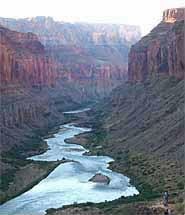
A Grand Canyon river trip is a wilderness experience. Expect to get wet in rapids, dusty around camp and exposed to strong sun, hot air temperatures and very cold river water. Days typically combine stretches of whitewater and calm floating with stops for meals, hikes, cultural sites and camp setup.
Commercial outfitters normally provide boats, life jackets, meals, group camping equipment and sanitation systems. Each operator supplies its own packing list explaining what clothing, footwear, sun protection and personal gear passengers should bring.
Personal gear must fit into the waterproof containers or dry bags provided for the trip, so packing space is limited. Travelers should follow the outfitter's list closely rather than buying specialized equipment that may not be necessary.
Camping Along The Colorado River
Multi-day Grand Canyon rafting trips camp at undeveloped beaches and river terraces rather than established campgrounds. Campsites change from night to night as groups travel downstream.
Commercial guides provide group camp equipment, meal preparation and required sanitation systems. River travelers should expect primitive conditions, limited privacy and no conventional campground facilities. Protecting beaches, cultural sites and natural resources is an important part of responsible river travel.
One of the highlights is experiencing Grand Canyon after daytime visitors have left the rims, with dark skies, canyon walls overhead and the Colorado River beside camp.
Grand Canyon Rafting Safety
- Wear the properly fitted life jacket required by your guides whenever instructed.
- Remember that Colorado River water remains extremely cold even during hot summer weather.
- Drink water and electrolyte beverages regularly to reduce the risk of dehydration and heat illness.
- Protect exposed skin with sunscreen, a hat and sun-protective clothing.
- Follow guide instructions before entering rapids and during emergency situations.
- Use secure footwear around rocky beaches and side-canyon trails.
- Never underestimate the difficulty of hiking from the river toward the rim during summer.
- Remain alert for thunderstorms, flash floods and debris flows during monsoon season.
Grand Canyon Rafting Planning And Packing Tips
- Reserve popular commercial trips as far in advance as practical.
- Choose the trip length and boat style before comparing operators.
- Ask whether your itinerary requires hiking into or out of the canyon.
- Follow the outfitter's packing list exactly.
- Bring quick-drying clothing, secure river footwear, sun protection and insulating layers.
- Expect very hot air temperatures and very cold river water on the same day.
- Discuss medical conditions, mobility concerns and age restrictions with the outfitter before booking.
- Do not assume phone service will be available in the canyon.
- Check current Grand Canyon river alerts and weather conditions before departure.
- Allow additional travel time before and after the river trip for transportation between launch and takeout locations.
2026 Grand Canyon River Conditions
Current 2026 safety note: Monsoon storms can create flash floods and debris flows in side canyons and drainages entering the Colorado River. Watersheds affected by the Dragon Bravo Fire on the North Rim have an increased debris-flow risk during heavy rain. River travelers should follow current National Park Service river alerts and guide instructions throughout the trip.
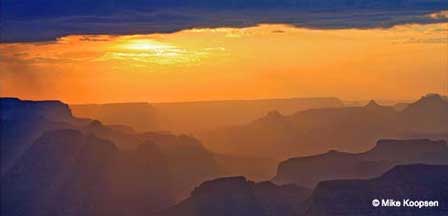
Expect to get away from the rest of the world. There’s nothing quite as remote as camping by the river’s edge each night. This is a vacation where cell phones and laptops are obsolete. You will be isolated from civilization. Your river guides will have satellite phones in the case of an emergency.
Ready for an an adventure of your life? Choose among the most popular Grand Canyon rafting trip operators and select the rafting tour package that's most exciting to you. Many offer transportation from the South Rim, Scottsdale, Sedona and Las Vegas.
Frequently Asked Questions About Grand Canyon Rafting
How long are Grand Canyon rafting trips?
Professionally guided whitewater trips through Grand Canyon generally range from about 3 to 18 days. Private Lees Ferry-to-Diamond Creek trips generally last 12 to 25 days, while shorter private trips beginning at Diamond Creek typically last 2 to 5 days.
Where do Grand Canyon rafting trips start?
Most long whitewater trips through Grand Canyon launch at Lees Ferry. Some shorter Lower Gorge trips begin at Diamond Creek on Hualapai Tribal land.
How many miles is the main Grand Canyon rafting route?
The Colorado River route from Lees Ferry to Diamond Creek is approximately 226 river miles.
Do you need rafting experience for a guided Grand Canyon trip?
Previous rafting experience is generally not required for passengers on professionally guided commercial trips, although physical requirements and age restrictions vary by outfitter and itinerary.
Do private Grand Canyon river trips require a permit?
Yes. Noncommercial river trips require National Park Service permits. Long Lees Ferry trips are generally awarded through a weighted lottery and require appropriate technical whitewater experience within the group.
What types of boats are used on Grand Canyon rafting trips?
Authorized commercial operators currently use motorized rafts, oar rafts, paddle rafts and dories.
Where do you sleep on a Grand Canyon rafting trip?
Multi-day river trips normally camp on undeveloped beaches and river terraces along the Colorado River. Commercial outfitters provide group camping and sanitation equipment.
Is the Colorado River cold in the Grand Canyon?
Yes. Water released from Glen Canyon Dam remains very cold throughout the year, even when inner-canyon air temperatures exceed 100°F during summer.
Can you take a one-day rafting trip through the Grand Canyon?
Half-day and full-day commercial smooth-water trips are available near Lees Ferry and Horseshoe Bend, but these do not travel through the major whitewater section of Grand Canyon National Park. Whitewater trips through the canyon normally require multiple days.
How far in advance should you reserve a Grand Canyon rafting trip?
Popular commercial trips can fill a year or more in advance, so reserving early is recommended, especially if you want a specific trip length, boat type or travel season.
More Grand Canyon River And Trip Planning
- Grand Canyon Rafting Tour Operators
- Grand Canyon National Park
- Grand Canyon South Rim
- Grand Canyon Weather & Climate
- Grand Canyon Wildlife
- Grand Canyon Camping
- Bright Angel Trail
- Grand Canyon Map & Directions
- Marble Canyon
The Spectacular Grand Canyon
Related Grand Canyon Interest
Grand Canyon Rafting
Grand Canyon National Park
Average Temperatures South Rim
Bright Angel Trail
Desert View Watchtower
Grand Canyon Camping
Grand Canyon Desert View Map
Grand Canyon Pictures By Koopsen
Grand Canyon Mule Ride
Grand Canyon South Rim Trail
Grand Canyon Winter Pictures By Koopsen
Grandview Point South Rim
Havasu Falls Pictures
Havasupai Indians
Lipan Point South Rim
Mather Point South Rim
Moran Point South Rim
Navajo Point South Rim
North Rim Map
Robert Body Grand Canyon Pictures
Shoshone Point South Rim
South Rim Grand Canyon Directions
South Rim Hours & Entrance Fees
Grand Canyon Summer Hiking
Trail Of Time South Rim
West Rim Map
Yaki Point Grand Canyon
Yavapai Point Geology Museum