The Havasupai Tribe
Updated by AZ Leisure Staff Writers on
The Havasupai Tribe is a federally recognized Native American nation whose homeland includes Havasu Canyon and ancestral lands throughout the Grand Canyon region. The Havasupai have lived in and around the canyon since time immemorial, maintaining a deep cultural and spiritual relationship with the land, water and seasonal landscapes of the region. Today, Supai Village remains the center of the Havasupai community, while Havasu Creek and its blue-green waterfalls are among the most recognizable features of the Tribe's homeland.
- Havasupai Homeland
- Reservation History
- Supai Village Today
- Culture & Traditions
- Relationship To The Land
- Visiting The Reservation
- Visitor Respect & Rules
- Havasupai FAQ
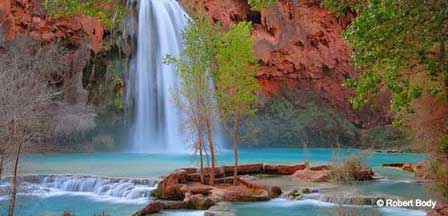
The Havasupai Homeland
The Havasupai homeland extends beyond the floor of Havasu Canyon. For generations, Havasupai families moved seasonally between the canyon and surrounding plateaus, farming in fertile areas and using upland country for hunting, gathering and other traditional activities. The Grand Canyon remains a sacred cultural landscape for the Havasupai and other Indigenous nations whose histories and traditions are inseparable from the region.
Supai Village lies within Havasu Canyon, a tributary canyon south of the Colorado River. The Havasupai Reservation lies outside the jurisdiction of Grand Canyon National Park and is administered by the Havasupai Tribe.
Havasupai Reservation History
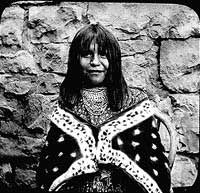 Young Havasupai Girl Circa 1900
Federal actions in the late 1800s dramatically reduced the Havasupai land base. The Havasupai Reservation was established in 1880, and in 1882 the Tribe's reservation was reduced to approximately 518 acres at the bottom of Havasu Canyon. The loss of access to much of the surrounding plateau disrupted traditional farming, hunting, gathering and seasonal movement.
For generations, Havasupai leaders worked to regain ancestral lands. A major change came with the Grand Canyon National Park Enlargement Act of 1975, which returned approximately 185,000 acres to the Tribe. The present reservation encompasses canyon lands and surrounding plateaus along the western portion of the Grand Canyon's South Rim.
Supai Village Today
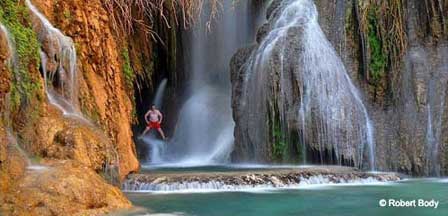
Supai Village is the center of Havasupai community life and tribal government. Located deep within Havasu Canyon, it is not accessible by public road. The village includes homes, community services, tribal facilities and visitor accommodations associated with permitted tourism.
The Havasupai Tribe administers its own reservation and tourism system. Visitors should remember that Supai is first and foremost a living Native community rather than simply a gateway to Havasu Falls.
Havasupai Culture & Traditions
Havasupai culture is closely connected to family, community, water, agriculture and the canyon landscape. Cultural traditions continue through language, ceremony, oral history, art and knowledge passed between generations.
Basketry and other forms of Native art remain important expressions of cultural identity. Contemporary Havasupai artists and cultural practitioners continue traditions while also creating new work that reflects present-day community life.
Visitors should avoid treating Havasupai culture as something belonging only to the past. The Havasupai are a living tribal nation whose people continue to maintain cultural, political and spiritual relationships with their homeland.
The Havasupai Relationship To Grand Canyon
For the Havasupai, Grand Canyon is more than scenery or a recreation destination. The canyon is a homeland and sacred cultural landscape tied to identity, family history, traditional knowledge and ceremony. Havasu Creek, canyon springs, agricultural areas and surrounding plateaus all form part of that continuing relationship.
One visible example of this connection occurred when the National Park Service formally renamed Indian Garden on the Bright Angel Trail as Havasupai Gardens. The change recognizes the Havasupai families who traditionally farmed and lived in that area before being forcibly removed during the early National Park period.
Visiting The Havasupai Reservation
Tourism on the Havasupai Reservation is managed by the Havasupai Tribe. All tourists must have a valid permit obtained through the Tribe's official reservation system before entering the reservation. Day hiking without a reservation is not permitted.
Supai Village and the waterfalls of Havasu Canyon cannot be reached by public road. Visitors should carefully review current tribal reservation requirements, check-in procedures, trail conditions and rules before beginning a trip.
Official Havasupai Reservations
Respecting The Havasupai Homeland
Visitors enter the Havasupai Reservation as guests of the Tribe and are required to follow Havasupai laws, permit conditions and visitor rules. Respect private areas, cultural sites, wildlife, water resources and the daily life of Supai residents.
- Enter the reservation only with a valid Havasupai tourism permit
- Follow all tribal rules and permit conditions
- Respect private residences and community spaces in Supai Village
- Do not photograph people without permission
- Pack out trash and protect the canyon's water and natural resources
- Do not bring prohibited items onto the reservation
- Stay on authorized routes and respect closures or restricted areas
- Remember that Havasu Canyon is a homeland, not simply a tourist attraction
Havasupai Tribe FAQ
Who are the Havasupai?
The Havasupai are a federally recognized Native American tribe whose homeland includes Havasu Canyon and ancestral lands throughout the Grand Canyon region.
Where is the Havasupai Reservation?
The Havasupai Reservation is located in northwestern Arizona along the western portion of the Grand Canyon's South Rim. Supai Village lies deep within Havasu Canyon.
Is Supai Village inside Grand Canyon National Park?
No. The Havasupai Reservation is administered by the Havasupai Tribe and lies outside the jurisdiction of Grand Canyon National Park.
Can you drive to Supai Village?
No. Supai Village is not accessible by public road. Visitors reach the reservation through approved access associated with their Havasupai tourism permit.
Do you need a permit to visit Havasu Falls?
Yes. All tourists entering the Havasupai Reservation must have a valid permit obtained through the Tribe's official reservation system before arrival.
Can you day hike to Havasu Falls?
No. Day hiking without a valid Havasupai reservation is not permitted.
What happened to Havasupai lands in the 1800s?
Federal actions reduced the Havasupai Reservation to approximately 518 acres in 1882, severely restricting access to traditional plateau lands used for farming, hunting, gathering and seasonal movement.
When were lands returned to the Havasupai Tribe?
The Grand Canyon National Park Enlargement Act of 1975 returned approximately 185,000 acres of ancestral land to the Havasupai Tribe.
More Information & Related Articles
The Spectacular Grand Canyon
Related Grand Canyon Interest
Grand Canyon National Park
Average Temperatures South Rim
Bright Angel Trail
Desert View Watchtower
Grand Canyon Camping
Grand Canyon Desert View Map
Grand Canyon Pictures By Koopsen
Grand Canyon Mule Ride
Grand Canyon Rafting
Grand Canyon South Rim Trail
Grand Canyon Winter Pictures By Koopsen
Grandview Point South Rim
Havasu Falls Pictures
Havasupai Indians
Lipan Point South Rim
Mather Point South Rim
Moran Point South Rim
Navajo Point South Rim
North Rim Map
Robert Body Grand Canyon Pictures
Shoshone Point South Rim
South Rim Grand Canyon Directions
South Rim Hours & Entrance Fees
Grand Canyon Summer Hiking
Trail Of Time South Rim
West Rim Map
Yaki Point Grand Canyon
Yavapai Point Geology Museum